No products in the cart.

India Positions as Trustworthy Chipmaking Hub
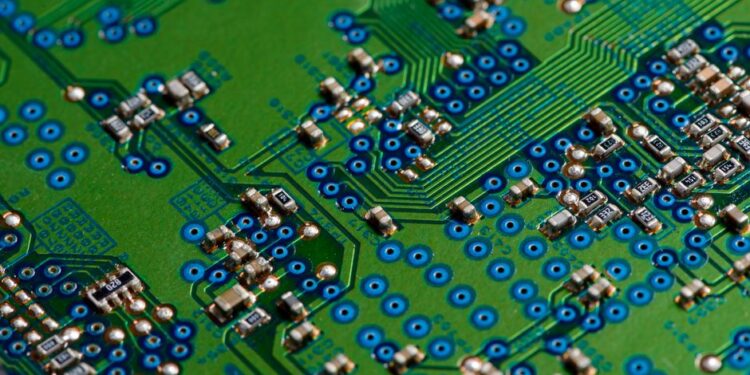
With an investment of ₹1.27 lakh crore for the second phase of the India Semiconductor Mission, the government aims to attract global chipmakers and strengthen the supply chain for electronics.

India is making major strides to become a global semiconductor manufacturing hub. At the Semicon India 2026 inauguration on September 17, 2026, Prime Minister Narendra Modi highlighted the country’s potential as a reliable electronics manufacturing destination. This initiative responds to growing concerns about the “weaponization” of supply chains, a pressing issue in the global market. Modi stressed the need for a strong semiconductor ecosystem, noting India’s progress in chip design, manufacturing, and infrastructure.
The government plans to invest ₹1.27 lakh crore in the second phase of the India Semiconductor Mission. This investment aims to attract global chipmakers and strengthen the electronics supply chain. The goal is not only to draw investment but also to create an environment that encourages innovation and growth in the semiconductor sector. The government is developing favorable policies to promote research and development, which is vital for advancing semiconductor technology.
During the event, IT Minister Ashwini Vaishnaw announced plans to train one lakh individuals to build a global talent pool for new semiconductor factories. This initiative aims to meet the rising demand for skilled professionals in the semiconductor sector. Major global firms like Micron and Applied Materials are also involved, reinforcing India’s position in the semiconductor landscape. Reports from Livemint indicate that these companies are investing in both manufacturing and local talent development, which is crucial for long-term growth.
Investment and Growth in India’s Semiconductor Sector
The semiconductor industry is expected to grow significantly. Estimates suggest it could surpass $1.3 trillion this year and reach $2 trillion by 2030, according to industry experts. This growth is driven by India’s strategic investments and commitment to becoming a key player in semiconductor manufacturing. Major companies like Micron have already started operations in India and plan to expand their manufacturing capabilities. Micron’s CEO, Sanjay Mehrotra, announced that commercial production has begun at its Sanand facility, exceeding the memory capacity needed for India’s entire laptop market. This indicates strong demand for semiconductors in India, essential for the country’s digital economy.
This growth is driven by India’s strategic investments and commitment to becoming a key player in semiconductor manufacturing.
You may also like
 Industry & Global Trends
42 AI-Enabler Stocks Surge 60% Amid Anti-AI Sentiment
The surge in AI-enabler stocks in India, despite a broader market decline, highlights a growing investment trend in AI infrastructure, particularly in power, data centers,…
Read More →Investments from companies like Lam Research, which plans to invest ₹10,000 crore in a silicon component manufacturing facility, highlight the growing interest in India’s semiconductor ecosystem. An article by The Hindu notes that this influx of capital is expected to create a ripple effect, leading to new ancillary industries and services that support semiconductor manufacturing. This comprehensive approach enhances India’s manufacturing capabilities and positions the country as a key player in the global supply chain.
Career Ahead’s analysis shows that this investment surge will likely create thousands of new job openings in various roles, including semiconductor engineers, supply chain managers, and skilled technicians. Focusing on developing a comprehensive semiconductor ecosystem will not only improve India’s manufacturing capabilities but also attract global talent. The government’s commitment to fostering innovation through partnerships with educational institutions and industry leaders is crucial for creating a sustainable workforce that can adapt to rapid technological changes.
As India develops its semiconductor industry, the government is targeting at least 200 startups and companies involved in chip design. This initiative aims to promote innovation and ensure India remains competitive in the global market. With a strong semiconductor infrastructure, India is set to become a significant player in the global supply chain. Collaboration between startups and established firms will be essential for driving technological advancements and meeting future demands.
Implications for Semiconductor Engineers and Supply Chain Managers
As companies establish manufacturing facilities in India, they will need skilled professionals to manage global supply chains.
The expansion of India’s semiconductor industry offers many opportunities for semiconductor engineers and supply chain managers. As the country boosts its manufacturing capabilities, demand for professionals with expertise in chip design, manufacturing processes, and supply chain logistics will rise. This demand will grow as more companies set up operations in India. Engineers specializing in semiconductor technology will lead this transformation. With the government’s commitment to training a large workforce, professionals in this field can expect job security and competitive salaries.
You may also like
 Industry & Global Trends
The Evolution of India’s Outsourcing Industry in the Age of AI
India's outsourcing industry is evolving due to AI, shifting towards high-value services and creating a demand for skilled professionals. This transformation reflects a global trend…
Read More →Moreover, the focus on innovation and collaboration with global firms will give engineers unique chances to work on cutting-edge technologies. Supply chain managers will also be vital in this evolving landscape. As companies establish manufacturing facilities in India, they will need skilled professionals to manage global supply chains. Effective logistics, procurement, and inventory management will be crucial to ensure smooth production and market demand fulfillment.
Additionally, India’s rise as a semiconductor hub may create a skill gap in the workforce. Companies expanding their operations will need a workforce that is technically skilled and adaptable to new technologies. This presents a challenge for educational institutions to align their curricula with industry needs. Overall, the growth of India’s semiconductor industry will reshape the job market for engineers and supply chain managers, offering new career paths and professional development opportunities.

As India positions itself as a key player in the global semiconductor market, the implications for the workforce are significant. Government support, substantial investments from global firms, and a focus on training will likely create a vibrant ecosystem that fosters innovation and growth. The future of semiconductor manufacturing in India looks promising, but it will require ongoing collaboration between industry, government, and educational institutions to realize its full potential.
Career Ahead research shows a surge in demand for semiconductor engineers, supply chain managers, and skilled technicians as India’s semiconductor industry grows.
Frequently Asked Questions
What are the career opportunities in India’s semiconductor industry?
Career Ahead research shows a surge in demand for semiconductor engineers, supply chain managers, and skilled technicians as India’s semiconductor industry grows. The government’s investment and training initiatives will enhance job prospects in these fields.
How will India’s chipmaking initiatives affect global supply chains?
India’s efforts to build a strong semiconductor ecosystem will likely lead to a more diversified global supply chain. By reducing reliance on a few dominant players, India aims to strengthen its position in the global market and improve supply chain resilience.

What skills should semiconductor engineers develop to succeed in this new landscape?
Engineers should focus on expertise in chip design, manufacturing processes, and supply chain logistics. Adaptability to new technologies and collaboration skills will also be crucial as the industry evolves.
You may also like
 Industry & Global Trends
Lam Research Invests ₹10,000 Cr to Expand in India
Lam Research, a leader in semiconductor manufacturing equipment and services, has announced a significant investment to enhance its operations in India, focusing on job creation…
Read More →