No products in the cart.

India to Launch 400-500 Hydrogen-Powered Buses by 2030

India's initiative for hydrogen-powered buses signifies a major step towards sustainable transport. With a target of 400-500 hydrogen buses by 2030, the project presents new opportunities for engineers and public transport planners to adapt to this emerging technology.

India’s government plans to introduce 400-500 hydrogen-powered buses by 2030. Abhay Bakre, the Mission Director of the National Green Hydrogen Mission, made this announcement at the Clean Energy Conclave on September 24, 2026. This initiative aims to improve sustainable mobility and reduce carbon emissions in public transport.
The push for hydrogen buses is part of a larger strategy to switch to cleaner energy sources. Bakre mentioned that the first phase will involve 45-50 hydrogen buses and trucks undergoing trials by the end of this year. These trials are vital for evaluating how well hydrogen-powered vehicles can operate in India.
Engineering Requirements for Hydrogen Buses
To deploy hydrogen buses, several engineering requirements must be met. First, the design of hydrogen fuel cells is crucial. These cells convert hydrogen into electricity, powering the bus and emitting only water vapor. Engineers need to optimize these fuel cells to ensure they work well in different conditions.
Additionally, integrating hydrogen storage systems is essential. These systems must safely store hydrogen at high pressures and manage refueling infrastructure. Career Ahead’s analysis shows that engineers with expertise in material science and safety will be in high demand as the industry grows. This need offers a unique chance for professionals entering sustainable transport.
Moreover, developing hydrogen fueling stations is a key part of this transition. The government has identified 20 highways for these stations, which will support hydrogen buses. Engineers and public transport planners must work together to design these stations, ensuring they meet safety standards and are easily accessible.
As trials progress, data will be collected to guide future scaling efforts. This data will help improve engineering practices and identify best practices for hydrogen transport solutions. Analyzing and adapting based on trial outcomes will be crucial for engineers and planners as they build a strong hydrogen transport system.
This demands a diverse skill set from professionals in the field.
Overall, the engineering needs for hydrogen buses go beyond the vehicles themselves. They require a comprehensive approach to infrastructure, safety, and efficiency. This demands a diverse skill set from professionals in the field.
Collaboration and Government Initiatives
The success of hydrogen-powered buses in India depends on effective collaboration among various stakeholders. The National Green Hydrogen Mission leads this initiative, but it needs input from government bodies, private companies, and research institutions. This teamwork is essential to tackle the technical challenges and infrastructure needs of hydrogen transport.
Career Ahead research indicates that public transport planners will be vital in integrating hydrogen technology into current transport systems. They will assess existing routes, passenger needs, and the feasibility of replacing traditional diesel buses with hydrogen ones. This transition will involve both technical assessments and public engagement to gain community support.
Partnerships with private companies specializing in hydrogen technology will also be important. Companies like HyAxiom, which focuses on hydrogen fuel cells, can provide valuable expertise and resources. Such collaborations can foster innovation and reduce costs, making hydrogen transport more viable in the long run.
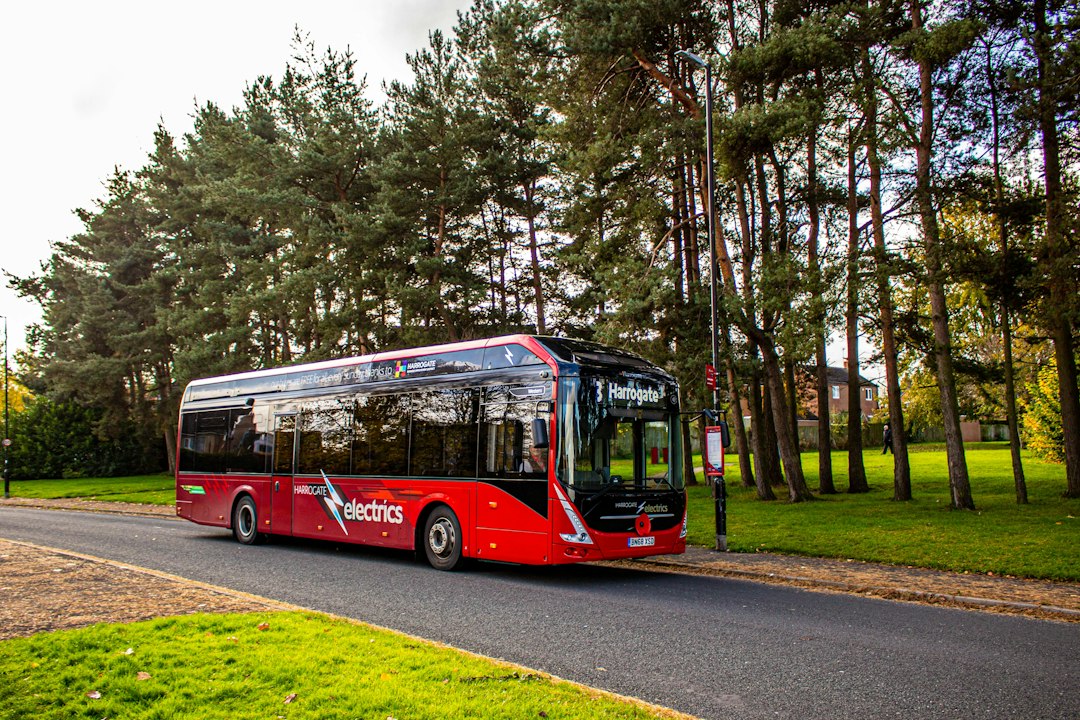
Government initiatives will include incentives for companies investing in hydrogen technology. Financial support for research and development, along with subsidies for infrastructure, will encourage more players to enter the market. This investment is expected to create job opportunities for engineers, sustainability consultants, and other professionals in the sector.
As the hydrogen transport sector grows, the demand for skilled professionals will increase.
As the hydrogen transport sector grows, the demand for skilled professionals will increase. This shift presents a significant opportunity for young engineers and public transport planners to become leaders in sustainable transport solutions.
Implications for the Future of Public Transport
The introduction of hydrogen-powered buses will change India’s public transport landscape. With a goal of 400-500 hydrogen buses by 2030, the implications for sustainability and job creation are significant. This transition aligns with global efforts to reduce fossil fuel reliance and mitigate climate change.
Career Ahead’s analysis shows that demand for engineers skilled in hydrogen technology will rise as the industry expands. Data from eia.gov predicts a notable increase in hydrogen production and use in the coming years. With proper training and expertise, professionals in this field can help create a more sustainable future.

As cities adopt hydrogen buses, we can expect a ripple effect across various sectors. Building and maintaining fueling stations will create new jobs. Increased hydrogen use will also drive advancements in related technologies, such as storage and transportation. This interconnectedness emphasizes the need for a holistic approach to sustainable transport.
In summary, the push for hydrogen buses in India represents a key opportunity for innovation and job creation in transport. As engineers and public transport planners collaborate to implement this vision, the future of sustainable transport looks bright. The real question is: how quickly can India scale up its hydrogen infrastructure to meet this ambitious goal?
In summary, the push for hydrogen buses in India represents a key opportunity for innovation and job creation in transport.
Frequently Asked Questions
What skills are needed for hydrogen bus engineering?
Engineers working on hydrogen buses need expertise in fuel cell technology, material science, and safety protocols. Understanding hydrogen storage systems and refueling infrastructure is also crucial for success.
How can public transport planners integrate hydrogen technology?
Public transport planners can integrate hydrogen technology by assessing current routes and passenger needs. They must work with engineers to design infrastructure that supports hydrogen buses and engage the community for support.
What should sustainability consultants consider when advising on hydrogen transport solutions?
Sustainability consultants should evaluate the environmental impact of hydrogen production and its lifecycle emissions. They must also consider the economic feasibility of hydrogen solutions compared to traditional fuels.
Written by Career Ahead AI. AI can make mistakes, so verify key facts. Report errors to support@careeraheadonline.com.