The U.K. government plans to enforce a steel safeguard that will limit tariff-free steel imports starting July 1, 2026, posing challenges for Indian exporters.
India and the United Kingdom are facing major challenges in their trade pact. This is mainly due to Britain’s steel safeguard and carbon tax measures. A high-level meeting is scheduled for June 2, 2026, between U.K. Secretary of State for Business and Trade Peter Kyle and India’s Commerce and Industry Minister Piyush Goyal. The trade pact, signed on July 24, 2025, aims to strengthen economic ties but is now at a critical point due to these issues.
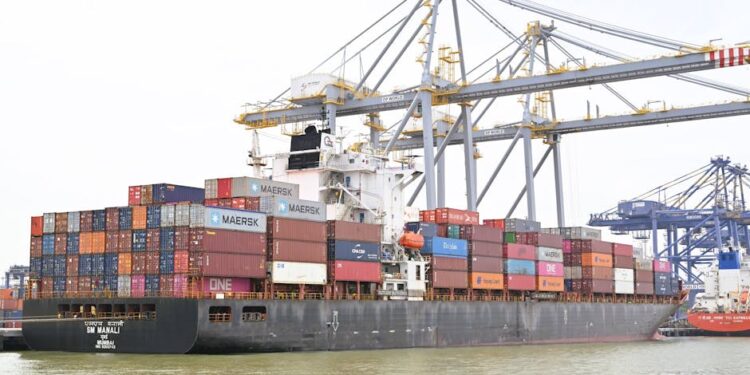
The U.K. government plans to enforce a steel safeguard that limits tariff-free steel imports starting July 1, 2026. This measure will cut overall quota volumes by 60% and impose a 50% tariff on imports exceeding these levels. These restrictions may significantly impact India’s steel exports, which were about $893.4 million in 2025-26. The safeguard aims to protect the British steel industry from foreign competition, especially from India. The British government argues that this move is necessary for the sustainability of its domestic steel industry, which faces challenges from cheaper imports. According to Reuters, this safeguard could greatly hinder Indian exporters who rely on the U.K. market for their steel products.
Implications of the Steel Safeguard for Trade Strategies
The steel safeguard has serious implications for Indian exporters trying to enter the U.K. market. With the new restrictions, Indian steel producers may need to rethink their export strategies. Career Ahead’s analysis shows that the reduction in tariff-free quotas will likely increase costs for Indian exporters, making their products less competitive in the U.K. market. The safeguard may push Indian steel manufacturers to look for alternative markets or invest in improving their product quality to meet U.K. standards. This impact affects not only exporters but also British steel producers, who may benefit from less competition but face pressure to improve production efficiency and sustainability.
Data from GTRI suggests that the steel safeguard could lead to a significant drop in India’s steel exports to the U.K., affecting around $775 million worth of trade. This situation creates a tough environment for Indian producers, who must navigate new barriers while trying to maintain their market share. The potential for retaliatory measures from India is a real concern, as Piyush Goyal has emphasized the need for a balanced approach to trade negotiations. The U.K.’s move has raised alarms among Indian exporters, who fear that the safeguard could lead to similar protective measures from other countries against Indian steel.
Given these developments, trade policy analysts must closely watch the changing landscape of steel trade between India and the U.K.
Given these developments, trade policy analysts must closely watch the changing landscape of steel trade between India and the U.K. The implications of the safeguard go beyond immediate trade figures, affecting broader economic relations and strategic partnerships. As both countries face these challenges, constructive dialogue is essential. The upcoming meeting on June 2 will be crucial in determining whether a mutually beneficial resolution can be achieved or if tensions will escalate further, complicating trade negotiations.
Carbon Tax Negotiations and Their Impact on Trade Relations
Another major issue is the U.K.’s plan to implement a Carbon Border Adjustment Mechanism (CBAM) starting in 2027. This mechanism aims to impose a carbon tax on products like steel, aluminum, and cement, which could significantly change trade dynamics. The tax is expected to range from 14-24% of the import value, depending on the phase-out of free allowances under the Emission Trading System (ETS). This proposed tax has alarmed Indian exporters, who worry it could further reduce their competitiveness in the U.K. market. The carbon tax is seen as a major barrier that might deter Indian steel manufacturers from exporting to the U.K., especially if they cannot absorb the extra costs of compliance.
India’s Commerce and Industry Minister Piyush Goyal has raised concerns about this carbon tax, suggesting it may lead to retaliatory measures from India if not addressed properly. The potential impact on India’s steel exports is significant, as it could make Indian products less competitive in the U.K. market, complicating trade relations. Goyal’s statements reflect a broader concern in India about how such environmental regulations affect developing economies. Career Ahead’s analysis indicates that if the U.K. goes ahead with its carbon tax, India may adjust its concessions on products like Scotch whisky, which are also part of the trade agreement. This tit-for-tat approach could escalate tensions, complicating delicate negotiations.
The carbon tax also raises questions about the long-term sustainability of trade relations. As both countries navigate these challenges, trade policy analysts must consider how these measures will shape future negotiations and the overall economic landscape between India and the U.K. The ongoing discussions about the steel safeguard and carbon tax highlight the complexities of international trade agreements. Steel industry managers in both countries must adapt to these evolving regulations and market dynamics. The British steel industry may gain from reduced competition, but it must also innovate to meet changing market demands.
Looking ahead, the outcomes of the June 2 meeting will be crucial in determining the future of the India-U.K. trade pact. The decisions made in this meeting could either lead to smoother trade relations or worsen existing tensions. Stakeholders in both countries are closely watching these developments, as they could significantly influence the strategic decisions of steel producers and trade policy analysts. The stakes are high, and the path forward remains uncertain as both nations deal with the implications of these protective measures.
Project Jagrook aims to combat the influence of anonymous financial advisors and so-called "finfluencers," who often provide misleading advice to unsuspecting retail investors.
As both countries navigate these challenges, trade policy analysts must consider how these measures will shape future negotiations and the overall economic landscape between India and the U.K.
Frequently Asked Questions
What are the implications of the steel safeguard for steel industry managers?
The steel safeguard will force steel industry managers in India to rethink their export strategies. With reduced tariff-free quotas, Indian producers may face higher costs and need to explore new markets or improve product quality to stay competitive.
How does the carbon tax affect trade policy analysts?
The carbon tax adds significant complexity for trade policy analysts. It may lead to retaliatory measures from India and impact the balance of trade concessions. Analysts must closely monitor these developments to understand their implications for future negotiations.
What should steel industry managers do about the India-U.K. trade pact developments?
Steel industry managers should stay informed about the changing regulatory landscape and prepare for possible shifts in market dynamics. Understanding the implications of the steel safeguard and carbon tax is crucial for strategic planning and compliance.



 Government & Policy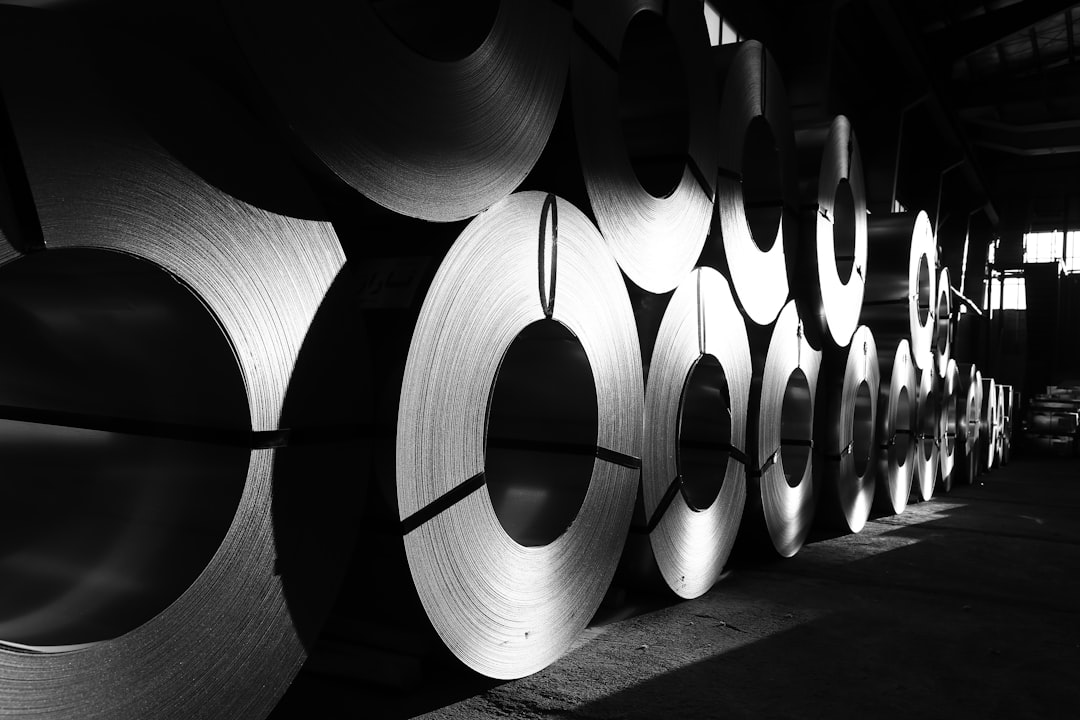
Government & Policy