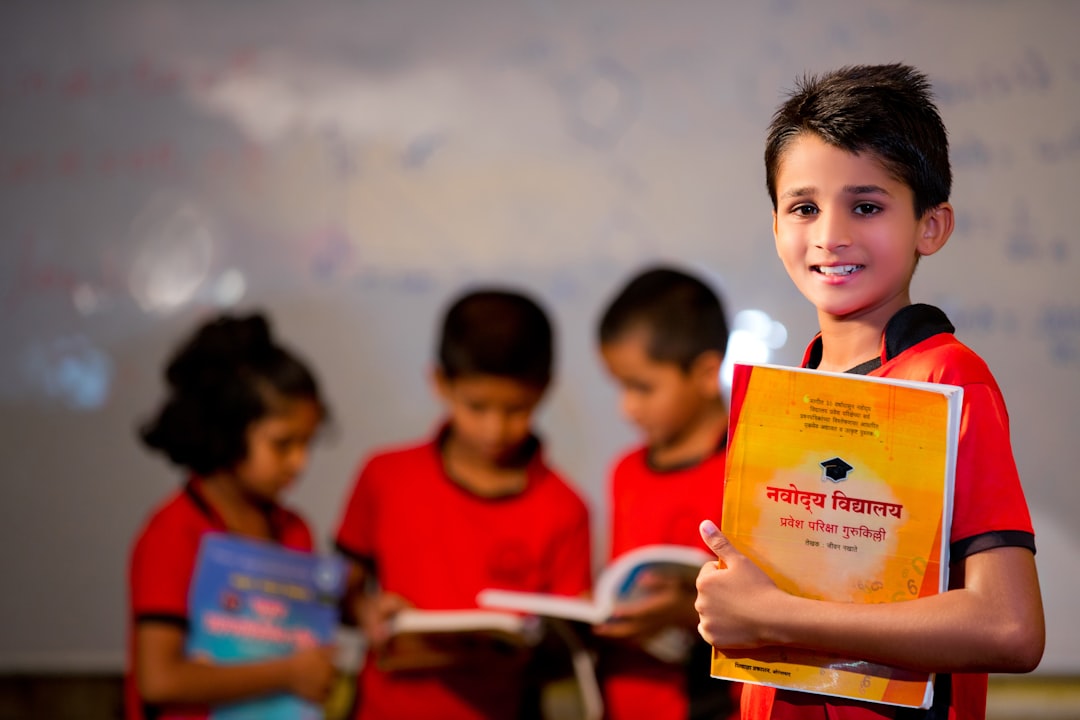
The number of Indian students applying to US universities has dropped by 15% for the 2025-26 academic year, driven by stricter immigration policies and uncertainty surrounding visa rules.
The number of Indian students applying to US universities has dropped by 15% for the 2025-26 academic year, as tighter immigration policies and uncertainty surrounding visa rules weigh heavily on international student demand. This decline was highlighted in a report by Common App, which represents more than 1,100 institutions in the US.
India has long been the largest source of international students in the United States, but this trend is now shifting. The tightening of visa regulations has contributed significantly to this decrease, as prospective students face increasing hurdles in their application processes. The US government’s recent changes to student and visitor visas, including the end of the traditional “duration of status” system, has set a maximum stay of four years, causing further concern among applicants. Furthermore, the introduction of a proposed fee of $100,000 for foreign graduates seeking to use the Optional Practical Training (OPT) program has added to the anxiety surrounding the application process, as reported by NAFSA.
Impact of Visa Regulations on International Education
The decline in applications from Indian students is part of a broader trend affecting international education. According to research from NAFSA and JB International, the total number of international students in the US could fall by as much as 110,000 in the upcoming academic year. This translates to a significant economic impact, with international students contributing approximately $41.77 billion to the US economy in 2025-26, a figure projected to drop to $38.37 billion in 2026-27. The ramifications of this decline extend beyond mere numbers; they affect local economies, university funding, and the diversity of the student body.
Specifically, Indian students accounted for over 363,000 enrollments in US colleges during the 2024-25 academic year. The projected decline in applications suggests that many students may be reconsidering their options amid the current visa landscape. The economic implications are substantial, as fewer international students mean reduced spending on housing, tuition, and local services. This decline could lead to budget cuts and program reductions at universities that have come to rely on the financial contributions of international students.
Additionally, the visa changes have created uncertainty about the future of international education in the US. The new policies not only complicate the application process but also instill a sense of insecurity among prospective students regarding their ability to complete their education and gain employment in the US post-graduation. Career Ahead’s analysis shows that this decline in applications could lead to a more competitive environment for universities that rely heavily on international student enrollment for funding. With fewer Indian students applying, institutions may need to diversify their recruitment strategies and explore new markets to fill the gaps left by declining Indian applications. This may include targeting students from countries with emerging economies or those with less stringent visa requirements.
Additionally, the visa changes have created uncertainty about the future of international education in the US.
Shifts in Student Preferences Towards Other Countries
The tightening of US visa regulations may also lead to a significant shift in student preferences, with many Indian students looking towards alternative countries for their higher education. Countries like Canada, Australia, and the UK are becoming increasingly attractive options for Indian students seeking international education. These countries offer more favorable immigration policies and pathways for international students. For instance, Canada has positioned itself as a welcoming destination for international students, with policies that facilitate easier work permits and post-graduation opportunities. Australia, similarly, has maintained a reputation for being student-friendly, with clear pathways for residency and work after studies. These factors are likely to sway Indian students who are weighing their options.
Moreover, the growing number of international partnerships and collaborations between Indian institutions and foreign universities can also influence student decisions. Programs that offer dual degrees or exchange opportunities provide attractive alternatives for students looking to broaden their horizons without facing the challenges posed by US visa regulations. As reported by various education analysts, these partnerships not only enhance the educational experience but also mitigate the risks associated with studying in countries with more stringent immigration policies.
Career Ahead research identifies that the trend of declining applications from Indian students to US universities may signal a long-term shift in international education dynamics. As students become more informed about their options, universities in the US may need to adapt to these changing preferences to remain competitive in the global education market. The implications of these changes are significant not only for the students but also for educational institutions that rely on international enrollment to sustain their programs and funding. As the landscape evolves, universities must consider strategies to attract and retain international students, particularly from India.
The 15% drop in applications from Indian students to US universities highlights the urgent need for education advisors to guide students effectively through these challenging times. With the evolving visa landscape, students must be well-informed about their options and the implications of these changes on their educational pursuits. Education advisors play a crucial role in helping students navigate the complexities of applying for universities abroad. They can provide insights into alternative countries and programs that may offer better opportunities without the visa-related uncertainties currently faced in the US. Advisors can also assist students in understanding the financial implications of studying abroad, including tuition costs and potential earnings post-graduation.
As the educational landscape shifts, it is essential for students and advisors to stay updated on the latest developments in visa policies and international education trends. This knowledge will empower students to make informed decisions about their future, ensuring they choose paths that align with their career goals and aspirations. The tightening of US visa regulations and the subsequent decline in applications from Indian students serve as a critical reminder of the need for adaptability in the face of changing circumstances. As the situation evolves, students must remain proactive and open to exploring new opportunities in the global education market.
Cornell University's president, Michael Kotlikoff, has labeled the ongoing rape inquiry a 'defining moment' for the institution, emphasizing the need for significant changes in campus…
As the educational landscape shifts, it is essential for students and advisors to stay updated on the latest developments in visa policies and international education trends.
Looking ahead, the question remains: how will US universities respond to this decline in applications, and will they implement changes to attract international students back to their campuses?
Frequently Asked Questions
What are the reasons for the drop in Indian student applicants to US universities?
The drop in Indian student applicants is primarily due to tighter visa regulations and increased uncertainty surrounding immigration policies. Recent changes, such as the end of the “duration of status” system, have made the application process more complex and less appealing.
How can education advisors assist students facing visa challenges?
Education advisors can provide valuable insights into alternative study destinations and help students navigate the complexities of visa applications. They can also offer guidance on financial planning and career prospects post-graduation, ensuring students make informed decisions.
What should Indian students consider when applying to universities abroad in light of visa issues?
Students should consider the visa policies of their target countries, the availability of post-graduation work opportunities, and the overall reputation of the institutions they are applying to. Staying informed about the latest developments in international education will help them make better choices.



Education & University Insights
Education & University Insights