


The AI Imperative: Positioning India as a Global education Hub
By 2047, roughly one-fifth of the world’s working-age population will call India home. Today the country already supplies a significant portion of the global pool of AI talent—a concentration that rivals the United States and China combined. That demographic weight gives India a rare lever: a massive, tech-savvy workforce that can be marshaled to drive the next wave of digital growth.
Anthony Salcito, General Manager – Enterprise at Coursera, warns that “skilling without commercialization is the new digital diploma-mill.” In his view, the nation’s AI education agenda must evolve from a focus on certificates to a system that fuels real-world innovation and sustainable jobs.
From Skilling to Innovation: Closing the Application Gap
India’s AI curricula have expanded through government programmes such as the IndiaAI Mission and the YUVAi (Youth for Unnati and Vikas with AI) initiative. These efforts have succeeded in getting millions of students into classrooms, labs, and online platforms. Yet the transition from learning a model to deploying it in a product remains thin.
Salcito stresses that the next step is to embed “application-first” milestones into every learning pathway. For Coursera, this means pairing micro-credential courses with industry-sponsored projects that require learners to ship a functional prototype before they can claim completion. The model forces students to treat code as a commercial asset, not just a classroom exercise.
Micro-Credentials, Industry-Linked Curriculum, and Digital Learning
Micro-credentials—short, stackable certifications focused on specific skills—are reshaping Indian higher education. Coursera’s partnership network now includes major corporations that co-design specializations, ensuring that coursework mirrors the tools and workflows used in today’s AI-driven enterprises.
Micro-Credentials, Industry-Linked Curriculum, and Digital Learning Micro-credentials—short, stackable certifications focused on specific skills—are reshaping Indian higher education.
- Industry co-creation: Companies such as Infosys, ICICI Bank, and Biocon have jointly authored specializations that blend generative-AI techniques with sector-specific use cases.
- Stackable pathways: Credits earned from these short courses are increasingly accepted toward degree requirements at leading Indian universities, creating a bridge between flexible online learning and traditional campus programmes.
- Cost efficiency: Micro-credentials typically cost significantly less than a semester-long AI elective at a Tier-1 institute.
By aligning curricula with employer needs, these credentials become more than résumé boosters; they turn learners into ready-to-hire innovators.
Preparing a Future-Ready workforce: Challenges and Opportunities
Despite the momentum, several systemic hurdles impede the translation of AI skills into jobs.
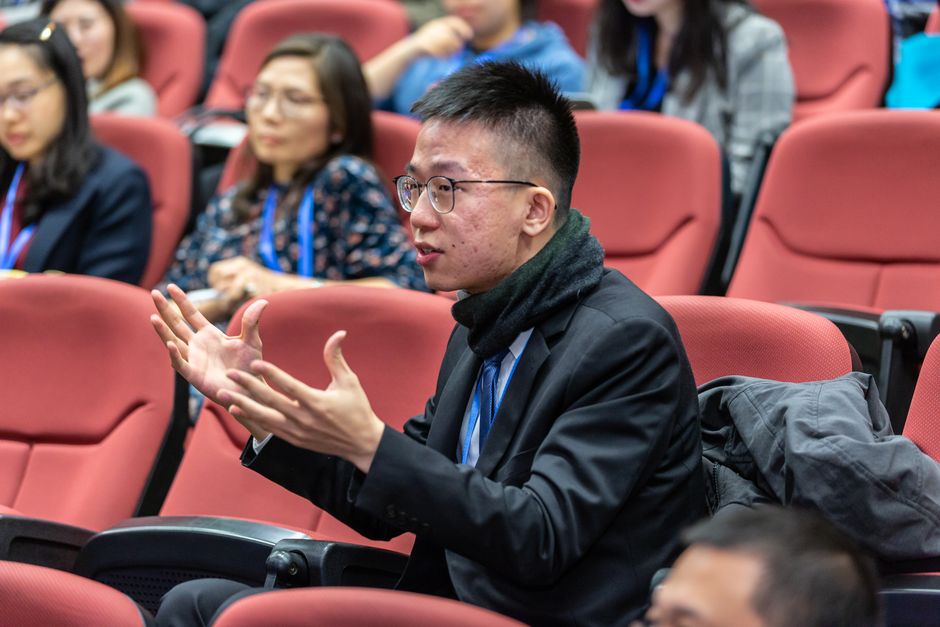 Education & University Insights
India’s Higher Education Agenda Puts Skills, Research and Faculty First
A panel framed the debate around India@2047, while a university chancellor said competitive research ecosystems can take 10–15 years to develop.
Read More →
Regulatory Lag
India’s higher-education regulator, AICTE, often requires a significant amount of time to approve new technology programmes. In contrast, Singapore’s equivalent clears similar proposals relatively quickly. The delay throttles the rollout of cutting-edge courses that could keep pace with rapid industry change.
Infrastructure Gaps
Many public universities lack the compute resources needed for large-scale model training. Public-private partnerships that fund shared AI labs could democratize access, but such collaborations remain sporadic.
Talent Retention
While India boasts a sizable AI talent pool, a significant share migrates abroad for research roles or higher salaries. Creating domestic pathways that reward innovation—through equity, incubator support, or government-backed seed funding—could stem this outflow.
Strategic Perspective: India’s Ambition to Lead the AI Education Market
Salcito envisions a future where India not only supplies talent but also exports AI-driven solutions. He points to several levers that can accelerate this shift:
Regulatory Lag India’s higher-education regulator, AICTE, often requires a significant amount of time to approve new technology programmes.
- Innovation ecosystems: Embedding AI maker-labs within existing tech incubators forces learners to commercialize projects, turning coursework into market-ready products.
- Patent and IP incentives: Linking public R&D grants to mandatory industry co-funding can boost domestic AI patent filings, moving India closer to a significant global share.
- Scale-up pathways: Setting a benchmark for a mature ecosystem capable of competing with global giants would signal a significant step forward.
Each of these steps hinges on a policy environment that rewards speed, collaboration, and measurable outcomes rather than merely expanding enrolment numbers.
The Road Ahead: From Classroom to Global Innovation Hub
India stands at a crossroads. The country has already built the talent reservoir; the challenge now is to channel that expertise into products, services, and companies that can compete on the world stage. By tightening the feedback loop between education and industry—through micro-credentials, mandatory project deliverables, and streamlined regulation—India can transform its AI classrooms into engines of economic growth.

 Education & University Insights
Indian Universities Must Prioritise Research, Innovation and Job Creation
Purushotham and Viswanathan outline a roadmap for Indian universities to focus on research excellence, entrepreneurship and policy changes to compete globally.
Read More →When learners graduate not just with a certificate but with a portfolio that solves a real-world problem, the nation’s claim to the title of “global AI education hub” becomes more than a slogan—it becomes a measurable competitive advantage.

Written by Career Ahead AI. AI can make mistakes, so verify key facts. Report errors to support@careeraheadonline.com.





