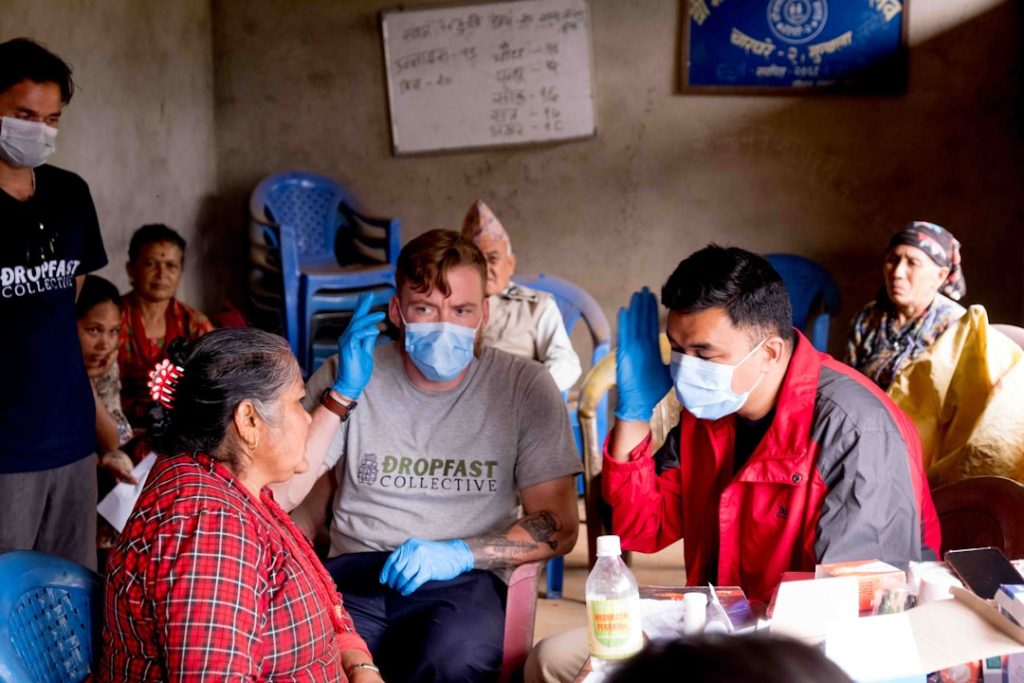
New Delhi, India — India is on a determined path to eradicate tuberculosis (TB), a disease that continues to claim over 400,000 lives annually in the country. The government has set an ambitious target to eliminate TB by 2025, five years ahead of the global goal established by the World Health Organization (WHO). With a multi-faceted approach combining public health initiatives, technological advancements, and community engagement, India is making notable progress in its fight against this ancient disease.
Why does this matter now? Tuberculosis remains one of the top infectious disease killers worldwide, with India accounting for a significant proportion of the global burden. The COVID-19 pandemic exacerbated TB transmission and treatment interruptions, underscoring the urgency to revitalize and expand TB control efforts. The stakes are high, not just for public health but also for economic stability and social equity.

India’s National Tuberculosis Elimination Program (NTEP) has been pivotal in this effort. According to the Ministry of Health and Family Welfare, the program has expanded access to diagnostics and treatment, with a network of 29,000 designated microscopy centers and over 1,800 treatment centers established across the country. The introduction of rapid molecular testing technologies, such as GeneXpert, has dramatically reduced diagnosis times, enabling timely treatment initiation. In 2021 alone, India reported a 30% increase in TB notifications compared to the previous year, indicating a growing awareness and better access to care.
According to the Ministry of Health and Family Welfare, the program has expanded access to diagnostics and treatment, with a network of 29,000 designated microscopy centers and over 1,800 treatment centers established across the country.
Yet, challenges persist. A 2022 study published in The Lancet highlighted that despite advancements, treatment success rates remain below the WHO target of 85%. Stigma surrounding TB, exacerbated by misinformation, continues to hinder patient access to care. Furthermore, the economic impact of the pandemic has strained healthcare resources, complicating efforts to maintain momentum in TB control.
In addressing these challenges, India is leveraging technology and community engagement. Mobile health (mHealth) initiatives are being deployed to remind patients of medication schedules and follow-ups. Digital platforms are also facilitating remote consultations, making healthcare more accessible, especially in rural areas where healthcare infrastructure is limited. These innovations are crucial in ensuring adherence to treatment regimens and minimizing loss to follow-up.
global partnerships play a significant role in India’s TB elimination strategy. Collaborations with organizations like the WHO, the Global Fund, and various NGOs have bolstered funding and resource allocation. For instance, the Global Fund’s support has enabled India to procure quality-assured TB medicines and improve laboratory capacities. These partnerships not only enhance local capabilities but also contribute to a broader global response to TB.
Looking ahead, the path to TB elimination in India will require sustained commitment and innovation. The government’s integration of TB services with broader health initiatives, such as maternal and child health programs, is a promising approach to enhance service delivery and reach underserved populations. Furthermore, the upcoming rollout of the TB vaccine, currently in clinical trials, could revolutionize prevention efforts if proven effective.
As India forges ahead, the global health community watches closely. The lessons learned from India’s TB elimination efforts could inform strategies in other high-burden countries. The intersection of technology, community engagement, and global collaboration will be critical in navigating the complexities of TB control. The question remains: can India achieve its ambitious goal, and what can other nations learn from its journey?
Written by Career Ahead AI. AI can make mistakes, so verify key facts. Report errors to support@careeraheadonline.com.