No products in the cart.

India’s Ambitious Plan to Train 5.7 Million Workers in Rare Earth Mining

India plans to train 5.7 million workers in rare earth mining by 2030, a move that could reshape its resource economy and global competitiveness.

New Delhi, India — India is on a path to transform its mining sector by training 5.7 million workers in rare earth mineral extraction by 2030. This initiative is part of a broader strategy to reduce dependence on foreign sources and enhance domestic capabilities in a sector critical for various high-tech industries.
The Indian government has recognized the urgency of developing its rare earth minerals sector, which is essential for manufacturing electronics, renewable energy technologies, and defense systems. By investing in workforce training, India aims to establish itself as a key player in the global supply chain for these strategic resources.
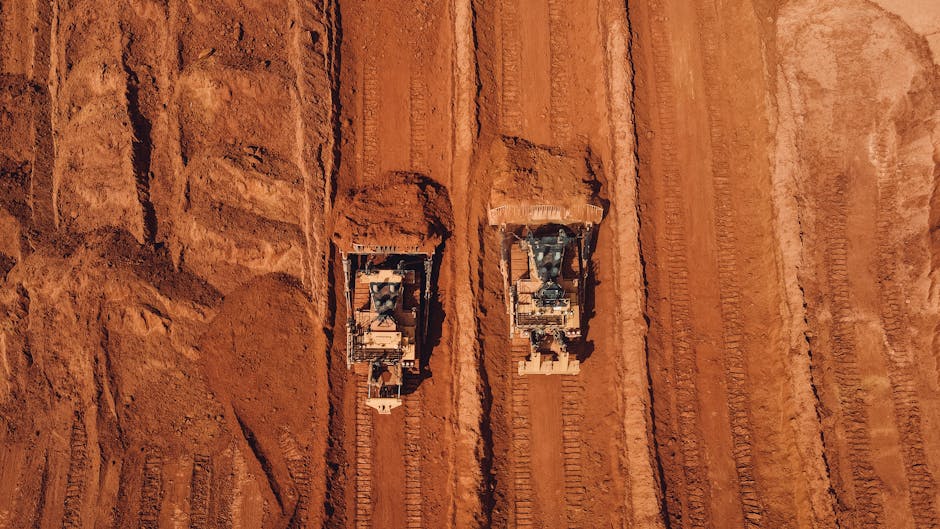
The push to train millions comes amid increasing global demand for rare earth elements (REEs). According to a 2023 report by the U.S. Geological Survey, global consumption of REEs is expected to rise by 20% over the next five years as industries like electric vehicles and green technologies expand rapidly. India, currently a minor player in the REE market, hopes to capture a larger share of this growth.
To facilitate this ambitious training program, the Indian government will collaborate with various educational institutions, mining companies, and international partners. The Ministry of Mines has outlined a comprehensive curriculum focusing on advanced mining techniques, safety protocols, and sustainable practices. This initiative not only aims to equip workers with the necessary skills but also to create job opportunities in rural areas, thereby driving economic growth.
This initiative not only aims to equip workers with the necessary skills but also to create job opportunities in rural areas, thereby driving economic growth.
The significance of this program extends beyond mere job creation. Rare earth minerals are vital for technologies that are shaping the future, including wind turbines, solar panels, and advanced batteries. As countries strive to meet their climate goals, the demand for REEs is likely to increase. In this context, India’s initiative could serve as a critical step toward energy independence and technological advancement.
You may also like
 Government & Policy
Malaysia Plans First AI Law in 2027 as Scrutiny Intensifies
Malaysia is set to introduce its first AI law in 2027, addressing ethical implications and compliance requirements for AI technologies.
Read More →However, the path forward is fraught with challenges. Environmental concerns associated with mining practices could pose a significant hurdle. The extraction of rare earth minerals can lead to soil and water contamination, necessitating a strong regulatory framework to mitigate these risks. The Indian government must balance economic growth with environmental sustainability to avoid the pitfalls seen in other resource-rich nations.
Experts highlight the importance of fostering a skilled workforce that can adapt to the evolving demands of the mining sector. According to Dr. Anjali Prakash, a mining industry analyst at the Indian Institute of Technology, “Investing in human capital is as crucial as investing in technology. A skilled workforce will not only enhance productivity but also ensure that mining operations are conducted responsibly.”
Furthermore, international collaboration will play a vital role in the success of this initiative. Countries like Australia and the United States, which have established rare earth mining industries, could provide valuable insights and technologies. Joint ventures and partnerships could enhance India’s capabilities and facilitate technology transfer, which is critical for developing a competitive mining sector.
As India embarks on this journey, the implications for the global mining landscape could be profound. With the right investments and policies, India could position itself as a leading supplier of rare earth minerals, reducing reliance on countries like China, which currently dominates the market.
Experts highlight the importance of fostering a skilled workforce that can adapt to the evolving demands of the mining sector.
Looking ahead, the success of this initiative will depend on the government’s ability to implement effective training programs and create a robust regulatory framework that promotes sustainable mining practices. If executed well, India could not only meet its own technological needs but also emerge as a significant player in the global rare earth market.
In a world increasingly driven by technology and sustainability, India’s commitment to training a skilled workforce in rare earth mining represents a pivotal opportunity. As nations race to secure their positions in the green economy, how will India’s approach reshape the global mining industry?
You may also like
 AI & Technology
Salary negotiation frameworks reshape HR strategy
A measurable share of workers forgo $500,000‑$1 million in lifetime earnings, pressuring firms to refine offer processes.
Read More →