No products in the cart.

India’s Dollar Deluge Creates a Problem of Plenty

The rise in dollar reserves is linked to several factors, including robust exports, foreign direct investment (FDI), and remittances from the Indian diaspora.

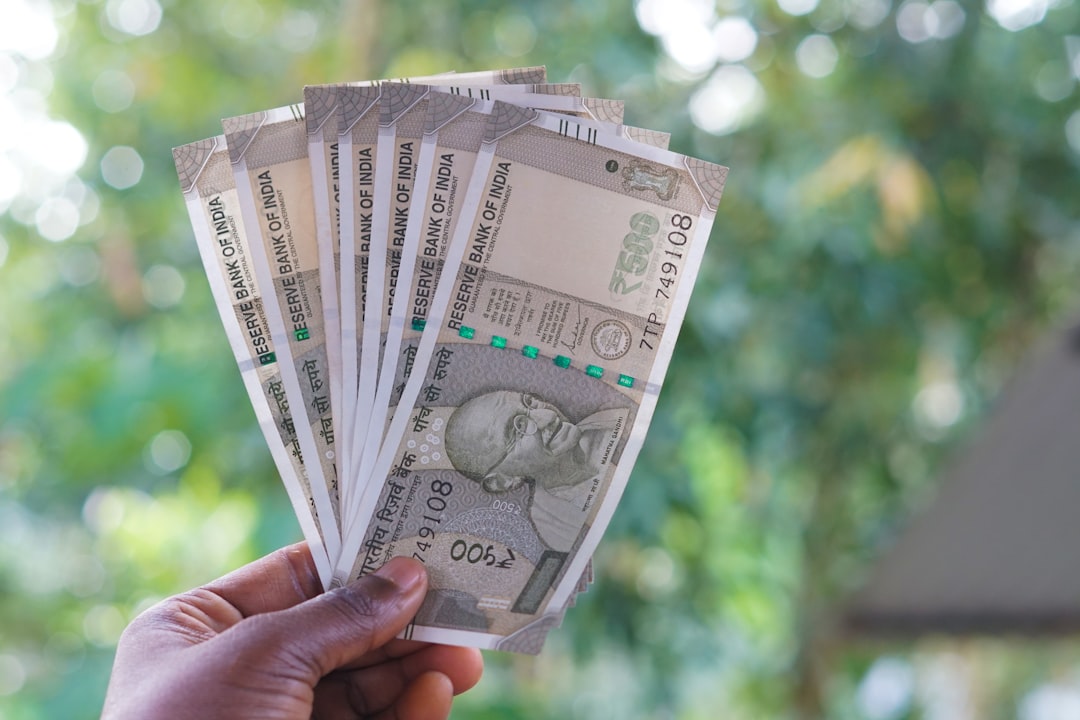
India’s dollar reserves have surged significantly, reaching an all-time high of over $600 billion in early September 2026. This increase positions India as a key player in global finance, impacting foreign investment strategies and currency trading. As the landscape evolves, financial analysts and investment advisors must adapt to these new dynamics.
The rise in dollar reserves is linked to several factors, including robust exports, foreign direct investment (FDI), and remittances from the Indian diaspora. According to the Reserve Bank of India, the country’s FDI inflows have increased by nearly 20% year-on-year, driven by favorable government policies and a growing economy. This influx of dollars not only strengthens the rupee but also enhances India’s ability to withstand external shocks. As reported by NDTV, this significant accumulation of foreign currency reserves provides India with a buffer against global economic uncertainties, allowing it to maintain a stable economic environment.
Investment Opportunities Amidst Dollar Surplus
The significant accumulation of dollars presents unique opportunities for foreign investors looking to enter or expand in the Indian market. With a stable currency and a favorable economic outlook, investors are increasingly drawn to sectors such as technology, renewable energy, and manufacturing. Career Ahead’s analysis identifies that this trend is likely to continue as global investors seek to diversify their portfolios in emerging markets. The Indian government has implemented various reforms to attract foreign investment, including easing restrictions on foreign ownership in several sectors. For instance, the recent liberalization of the insurance and retail sectors has opened up new avenues for investment. As a result, foreign companies are more inclined to invest in India, contributing to the overall growth of the economy.
Furthermore, the Indian government’s proactive stance in promoting the ‘Make in India’ initiative has also played a pivotal role in attracting foreign capital. This initiative aims to transform India into a global manufacturing hub, thereby increasing the demand for foreign investment. Financial analysts can leverage these trends to provide insights into which sectors are poised for growth. For instance, the technology sector has seen a surge in investment, with companies like Google and Amazon significantly increasing their stakes in Indian startups. This trend indicates a strong belief in India’s potential as a tech hub, which could lead to further investment opportunities.
Additionally, the dollar surplus enables the Reserve Bank of India to maintain a stable exchange rate, reducing volatility for investors. This stability is crucial for long-term investment planning, as it allows investors to make more informed decisions without the fear of sudden currency fluctuations. As noted by sources such as Times of India, the stability of the rupee against the dollar can enhance investor confidence, encouraging more significant foreign participation in the Indian markets.
The interplay between these factors can create uncertainty, making it essential for analysts to stay updated on both domestic and international developments.
You may also like
 Industry & Global Trends
BT Expands Reach with TalkTalk Acquisition
The acquisition is seen as a strategic necessity for BT, allowing it to consolidate its position in a market that has seen increasing pressure from…
Read More →However, while the dollar surplus creates opportunities, it also poses challenges for financial analysts and investment advisors. They must navigate a complex landscape where currency valuations can be affected by global economic conditions, geopolitical tensions, and changes in domestic policies. The interplay between these factors can create uncertainty, making it essential for analysts to stay updated on both domestic and international developments.
Currency Valuation Fluctuations and Trading Implications
The increase in dollar reserves has a direct impact on the valuation of the Indian rupee. As the dollar supply increases, the rupee may strengthen, making Indian exports more expensive on the global market. Career Ahead research finds that this could lead to a potential slowdown in export growth, which may affect the overall economy. Currency traders must remain vigilant as they assess the implications of India’s dollar surplus on forex markets. A stronger rupee could lead to a decrease in export competitiveness, prompting traders to adjust their strategies accordingly. For instance, currency traders might consider hedging strategies to mitigate risks associated with potential currency fluctuations.
Moreover, fluctuations in currency valuation can also influence foreign investment decisions. If the rupee appreciates significantly, foreign investors may reconsider their investments, weighing the costs against potential returns. This dynamic can lead to increased volatility in the forex market, creating both risks and opportunities for currency traders. The insights from financial analysts become invaluable in this context, as they can provide timely assessments of market conditions and potential currency movements.
Financial analysts play a crucial role in this environment by providing insights into market trends and helping investors navigate the complexities of currency trading. By analyzing economic indicators, geopolitical developments, and market sentiment, analysts can help investors make informed decisions in a rapidly changing landscape. As the dollar surplus continues to shape the investment landscape, it is essential for currency traders to stay informed about global economic conditions. Monitoring developments in major economies, such as the US and China, can provide valuable context for understanding the potential impact on India’s currency valuation.
Career Ahead’s analysis indicates that sectors such as technology and manufacturing are likely to see the most significant growth, driven by increased foreign investment.
Furthermore, the Reserve Bank of India’s monetary policy decisions will also be critical in shaping the currency landscape. As the central bank navigates the challenges posed by a strong dollar surplus, its actions will have direct implications for currency traders and investors alike.
The broader economic implications of India’s dollar surplus extend beyond investment opportunities and currency trading. As the country strengthens its position in the global economy, it may also influence international trade dynamics. A stronger rupee could lead to a shift in trade balances, affecting India’s relationships with key trading partners. Furthermore, the influx of foreign investment can contribute to job creation and economic growth. As companies expand their operations in India, they create new employment opportunities, benefiting the local workforce. Career Ahead’s analysis indicates that sectors such as technology and manufacturing are likely to see the most significant growth, driven by increased foreign investment.
You may also like
 Industry & Global Trends
Mergers Reshape Automation Careers at Schneider Electric
Schneider Electric's aggressive investments in automation are reshaping the industry landscape in Europe. This shift is set to create significant job opportunities for automation engineers…
Read More →However, policymakers must also address potential challenges associated with a strong dollar surplus. For instance, maintaining a balance between attracting foreign investment and protecting domestic industries is crucial. Policymakers need to implement strategies that support local businesses while fostering an environment conducive to foreign investment. In this context, financial analysts and investment advisors must remain proactive in their approach. By staying informed about policy changes and market developments, they can provide valuable insights to clients navigating this evolving landscape.
The implications of India’s dollar surplus are profound, shaping not only investment strategies but also the overall economic landscape. As the situation continues to evolve, financial analysts and currency traders must remain agile, ready to adapt to changing conditions. Looking ahead, how will India’s dollar reserves influence its economic trajectory? The interplay between foreign investment, currency valuation, and domestic policies will be critical in determining the future landscape for investors and traders alike.
Frequently Asked Questions
What are the implications of India’s dollar reserves for financial analysts?
Career Ahead’s analysis shows that India’s dollar reserves impact financial analysts by providing insights into investment opportunities and currency valuation trends. Analysts must adapt their strategies to account for these changes in the economic landscape.
Understanding the potential risks and opportunities associated with currency fluctuations is essential for effective strategy adjustment.
How should foreign investment advisors adjust their strategies in light of currency fluctuations?
Foreign investment advisors should closely monitor currency valuation trends and assess their impact on investment decisions. Understanding the potential risks and opportunities associated with currency fluctuations is essential for effective strategy adjustment.

What should currency traders consider when trading in light of India’s dollar surplus?
Currency traders should consider the implications of India’s dollar surplus on the rupee’s valuation and its potential effects on export competitiveness. Staying informed about global economic conditions and market sentiment will help traders navigate this evolving landscape.
You may also like
 Industry & Global Trends
Sensex Surges 473 Points as Softer US Jobs Data Boosts Indian Market
The Indian stock market experienced a notable boost as the Sensex surged by 473 points and the Nifty gained 134 points, driven by softer-than-expected US…
Read More →