No products in the cart.

India’s Fiscal Gap at Risk from Oil Prices, Warns ICRA
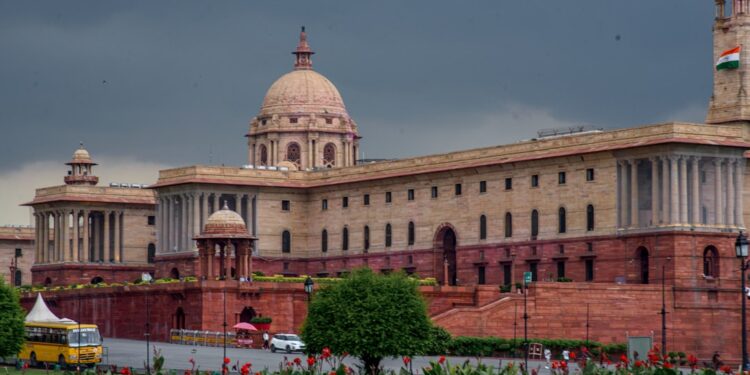
Elevated global energy prices and Iran war risks threaten India's fiscal deficit. ICRA warns of increased subsidy costs and revenue pressures, but fiscal buffers may help mitigate the impact.

How Iran War Risks India’s Fiscal Gap
ICRA warned on March 26, 2026, that the Iran war may pressure India’s finances. Elevated global energy prices could increase subsidy costs and impact revenue.
The recent energy price hikes have introduced volatility in global markets. ICRA says the government may need to adjust its fiscal plans.
Subsidy Pressures Mount as Crude Prices Soar
Higher crude oil and natural gas prices may increase subsidy costs. This is especially true for fertilisers and liquefied petroleum gas (LPG).
The Indian government recently cut taxes on petrol and diesel. This move is expected to reduce government revenue.
Petroleum and Natural Gas Minister Hardeep Puri stated that the government took a huge hit on taxation revenues. The goal was to reduce high losses of oil companies.
Impact on Subsidy Requirements
- Fertiliser subsidies: Higher crude oil prices may lead to increased subsidy costs for fertilisers.
- LPG subsidies: Elevated energy prices may also lead to increased subsidy costs for LPG.
Cost of Elevated Energy Prices
Elevated energy prices could affect government income. This includes lower excise duty collections and corporate tax inflows, ICRA noted.
Global supply disruptions and logistical challenges have increased energy prices.
Petroleum and Natural Gas Minister Hardeep Puri stated that the government took a huge hit on taxation revenues.
ICRA says supply-side disruptions are a concern. They could add to cost pressures across industries.
Revenue Pressures
- Excise duty collections: Lower excise duty collections could impact government revenue.
- Corporate tax inflows: Elevated energy prices could also lead to reduced corporate tax inflows.
Can India Weather the Storm?
The government has several buffers to manage the impact. These include the Economic Stabilisation Fund.
Potential expenditure savings could also help limit deviations from the fiscal deficit target.
ICRA suggested that available fiscal buffers are expected to help manage the impact. They should limit deviations from the fiscal deficit target.

Fiscal Buffers
- Economic Stabilisation Fund: The government has this fund to manage the impact of elevated energy prices.
- Expenditure savings: Potential savings could help limit deviations from the fiscal deficit target.
Oil Price Volatility
India’s FY27 fiscal deficit target faces risks. Elevated global energy prices amid the Iran war are the cause.
The government may need to make strategic adjustments to maintain fiscal stability.
You may also like
 AI & Technology
AI Interviewing Transforms Future Hiring Landscape
HackerRank's AI interviewer, Chakra, is transforming recruitment by streamlining the hiring process and emphasizing critical thinking and problem-solving skills in candidates.
Read More →They should limit deviations from the fiscal deficit target.
If oil prices remain high, India may need to revisit its subsidy structure. The country may need to explore alternative revenue streams to meet its fiscal goals.
Conversely, if oil prices stabilize, the government may maintain its current fiscal trajectory.
Adjustments
- Subsidy structure: The government may need to revisit its subsidy structure if oil prices remain high.
- Alternative revenue streams: India may need to explore alternative revenue streams to meet its fiscal goals.