


Mumbai, India — India’s higher education system is at a crucial juncture. The demands of the future workforce are evolving rapidly, and institutions must adapt to these changes. This transformation is not just about enhancing academic offerings but also about aligning education with industry needs and global standards. As we look ahead, understanding the implications of these shifts is essential for students, educators, and policymakers alike.
Recent discussions highlight that India’s higher education landscape is facing significant challenges. According to the National Institutional Ranking Framework (NIRF), many Indian universities struggle to compete globally. The need for innovative curricula, skilled faculty, and modern infrastructure is more pressing than ever. Institutions are being urged to rethink their strategies to produce graduates who are not only knowledgeable but also equipped with practical skills.
Moreover, the rise of technology and remote learning has transformed how education is delivered. Hybrid models are becoming the norm, and universities must embrace these changes to stay relevant. The integration of technology into the curriculum can enhance learning experiences and prepare students for a digital economy.
Why India’s Higher Education Must Evolve
The demand for skilled professionals in sectors like technology, healthcare, and engineering is skyrocketing. A report by the World Economic Forum indicates that by 2030, India will need an additional 200 million skilled workers. This presents an opportunity for higher education institutions to play a pivotal role in workforce development.
However, many universities are still entrenched in traditional teaching methods. This gap between industry needs and educational outcomes is concerning. For instance, a survey by PwC reveals that 75% of employers in India find it challenging to find candidates with the right skills. This mismatch is detrimental not only to students but also to the economy.
With disruptions in traditional learning, institutions are now exploring alternative methods to deliver education.
Furthermore, the COVID-19 pandemic has accelerated the push for educational reform. With disruptions in traditional learning, institutions are now exploring alternative methods to deliver education. This includes online courses, micro-credentials, and partnerships with industry leaders to ensure that students acquire relevant skills.
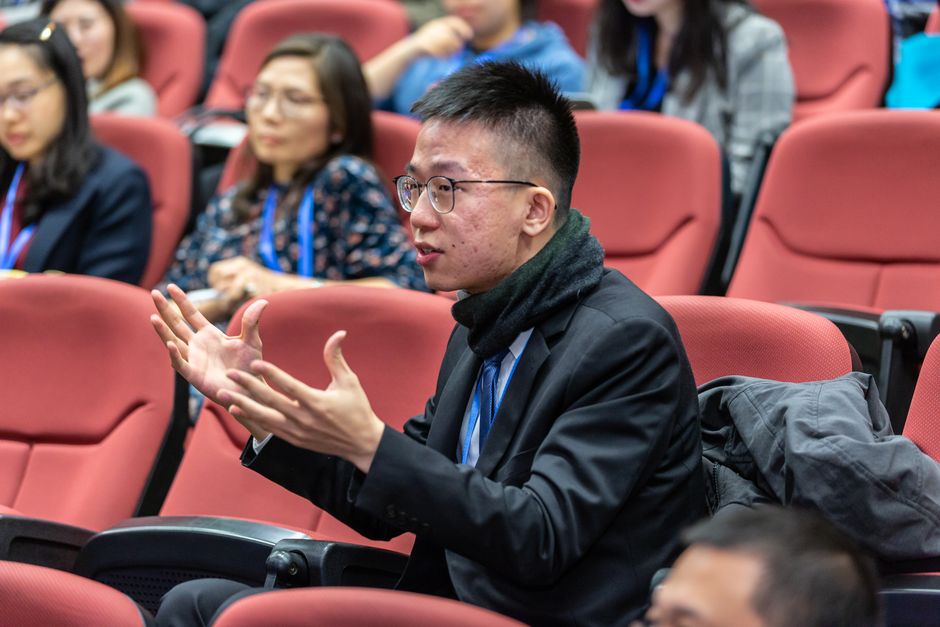 Education & University Insights
India’s Higher Education Agenda Puts Skills, Research and Faculty First
A panel framed the debate around India@2047, while a university chancellor said competitive research ecosystems can take 10–15 years to develop.
Read More →As we navigate this inflection point, it is crucial for institutions to collaborate with businesses. By understanding the specific skills that employers seek, universities can tailor their programs accordingly. This collaboration can take various forms, such as internships, industry advisory boards, and joint research initiatives.
Additionally, the focus on research and innovation must be prioritized. Universities should foster an environment that encourages creativity and critical thinking. This can be achieved by investing in research facilities and promoting interdisciplinary studies that prepare students for complex problem-solving.
Another critical aspect is inclusivity in education. As the demand for skilled professionals rises, it is essential to ensure that diverse populations have access to quality education. Initiatives aimed at supporting underrepresented groups can help bridge the skills gap and promote equity in the workforce.
How These Changes Impact Your Career
For students and young professionals, the evolving landscape of higher education presents both challenges and opportunities. As the demand for specific skills increases, it is essential to align your educational pursuits with industry needs. This means being proactive in seeking out programs that offer practical experience and exposure to real-world challenges.
Entry-level graduates in fields such as data science and artificial intelligence are already seeing higher starting salaries. According to a report by NASSCOM, the average salary for tech graduates has increased by 20% over the past year due to the high demand for skilled workers. This trend is likely to continue as industries evolve.
How These Changes Impact Your Career For students and young professionals, the evolving landscape of higher education presents both challenges and opportunities.
 Education & University Insights
Sri Lanka High Commission Builds Education and Youth Bridges with India
Twenty Sri Lankan education administrators trained at NIEPA in New Delhi, while young leaders from six South Asian nations met at the Sri Lanka High…
Read More →For mid-career professionals, upskilling will be crucial. Continuous learning through certifications and specialized courses can enhance your employability. Many universities are now offering flexible learning options that allow professionals to balance work and study, making it easier to acquire new skills.
Additionally, career switchers should consider how emerging fields align with their interests and strengths. The rise of sectors such as renewable energy and digital marketing offers new pathways for those looking to pivot their careers. Engaging with online platforms that provide training in these areas can be a strategic move.
Steps to Position Yourself for Future Opportunities
- Identify in-demand skills: Research the skills that are currently sought after in your industry. Websites like LinkedIn Learning and Coursera can provide insights into trending skills.
- Engage in continuous learning: Enroll in online courses or workshops related to your field. Platforms such as edX and Udacity offer a wide range of courses that can help you stay competitive.
- Network with industry professionals: Attend webinars, conferences, or local meetups to connect with professionals in your desired field. Networking can lead to mentorship opportunities and job referrals.
- Consider internships or projects: Seek internships or project-based work to gain practical experience. Many universities offer partnerships with companies that provide hands-on learning experiences.
However, experts warn that the rapid changes in higher education may not be universally beneficial. Critics argue that not all institutions are equipped to implement these reforms effectively. A recent study by Harvard University suggests that while some universities excel in adapting, others may struggle, leading to disparities in educational quality. This could exacerbate existing inequalities in access to quality education.
The Future of Higher Education in India
Looking ahead, the future of higher education in India is poised for transformation. As institutions adapt to the changing demands of the workforce, the focus will likely shift towards more practical, skills-based education. This evolution will require collaboration between educational institutions, industry leaders, and government bodies.
The integration of artificial intelligence in education could help tailor learning paths and assessments, enhancing student engagement and success.
Moreover, as technology continues to advance, we can expect more personalized learning experiences that cater to individual student needs. The integration of artificial intelligence in education could help tailor learning paths and assessments, enhancing student engagement and success.

Ultimately, the question remains: How will you prepare yourself to navigate the evolving landscape of higher education and seize the opportunities it presents?
 Education & University Insights
Education Leaders Stress Early University Succession
The conclave brought institutional and technology leaders together to examine university transitions and long-term vision.
Read More →Written by Career Ahead AI. AI can make mistakes, so verify key facts. Report errors to support@careeraheadonline.com.





