No products in the cart.

India’s Higher Education Enrollment Crisis Unfolds
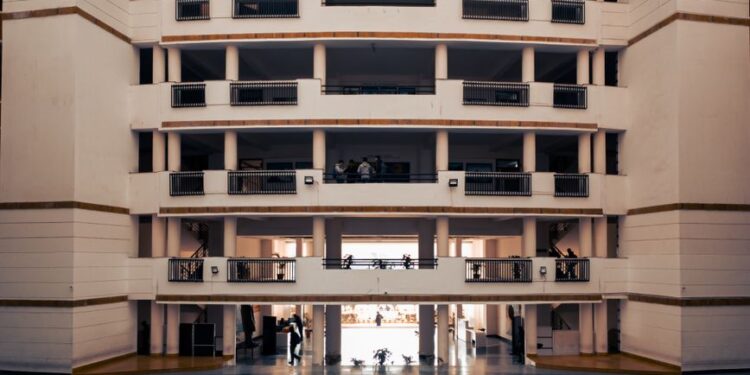
With only 33% of young adults enrolling in higher education, the recent building collapse in Satya Niketan underscores the urgent need for safe student housing in India.

New Delhi, India — Recent reports show that only about 33% of young adults in India enroll in higher education. This raises concerns about the country’s educational infrastructure. The recent collapse of a building in Satya Niketan, a student area near Delhi University, highlights the unsafe conditions many students face in off-campus housing. According to a report by News18, this alarming statistic points to challenges in enrollment and the urgent need for safe living conditions for students.
The National Education Policy (NEP) aims to raise the Gross Enrollment Ratio (GER) in higher education to 50% by 2035. However, the current infrastructure cannot support even 33% of the youth population. This raises concerns about safety and housing availability as student numbers increase. If the housing crisis is not addressed, the NEP’s ambitious goals may fail. Many students are deterred from pursuing higher education due to unsafe and unaffordable accommodations.
Infrastructure Challenges in Higher Education
The Satya Niketan incident, where an overcrowded private paying guest facility collapsed, shows the urgent need for better student housing. Reports indicate that the building was modified without proper permits, leading to a catastrophic failure and multiple fatalities. This incident is not isolated; it reflects a broader trend of unregulated housing options for students. The lack of oversight in construction and maintenance has created a ticking time bomb for student safety.
Currently, major public universities in India provide hostel accommodations for less than 15% of their outstation students. This lack of on-campus housing forces many young adults into the private housing market. Here, they often face unsafe and overcrowded conditions. As more students seek higher education, the demand for safe and affordable housing will only grow. According to MSN, the housing crisis worsens due to rapid urbanization in cities like Delhi, Pune, and Bengaluru, where the influx of students outpaces housing development.
Career Ahead’s analysis finds that the current housing infrastructure fails to meet student needs. This creates a potential crisis as enrollment numbers are projected to rise significantly. With the NEP’s goal of increasing enrollment, pressure on urban student hubs will grow. Immediate action from policymakers and educational institutions is necessary. Without significant investment in student housing, countless young adults’ educational aspirations may be stifled.
Career Ahead’s analysis finds that the current housing infrastructure fails to meet student needs.
Urban areas like Delhi, Pune, and Bengaluru are seeing a surge in student populations, but housing infrastructure is lagging. Many landlords are converting older residential properties into high-density paying guest accommodations without following safety regulations. This unregulated expansion risks not only students but also the broader urban ecosystem. The absence of regulatory frameworks allows dangerous living conditions, which can lead to further tragedies like the Satya Niketan collapse.
You may also like
 Education & University Insights
Impact of Canada’s Financial Changes on Indian Students
Canada's new financial requirements for student visas significantly impact Indian students, raising living expense proof to C$23,448. This change may deter applicants and affect enrollment…
Read More →As the demand for higher education grows, institutions must tackle these infrastructural challenges to prevent future tragedies. Ensuring safe housing options that comply with regulations is essential for a conducive learning environment. The responsibility lies with educational institutions and local governments to enforce safety standards and provide adequate housing solutions for students.
Housing Solutions for Students
To address the housing crisis, we urgently need Purpose-Built Student Accommodations (PBSAs). These facilities are designed specifically for students, offering safer and professionally managed living environments. By incentivizing PBSAs’ construction, urban planning authorities can ensure students access quality housing near their educational institutions. This approach could ease some pressure on the private rental market and provide safer options for students.
Municipal corporations can play a crucial role by mandating the registration of all private student accommodations. Regular structural integrity audits and strict penalties for unauthorized modifications can help prevent unsafe living conditions. Additionally, tying university expansion approvals to minimum hostel capacity requirements could ensure institutions are ready for new students. These measures would enhance student safety and promote accountability among landlords and housing providers.
Community support programs can also improve housing solutions for students. Local organizations can collaborate with universities to provide resources and guidance for students seeking housing. By fostering partnerships between educational institutions and community leaders, we can create a more supportive environment for young adults pursuing higher education. Such collaborations could lead to innovative housing solutions that meet students’ unique needs, especially those from disadvantaged backgrounds.

Therefore, it is critical for stakeholders to prioritize student safety and well-being as they navigate higher education expansion.
Career Ahead’s research shows that without immediate reforms, the push for increased enrollment could worsen the existing housing crisis. This could lead to more unsafe living conditions. Therefore, it is critical for stakeholders to prioritize student safety and well-being as they navigate higher education expansion. The urgency of the situation calls for a concerted effort from all parties to ensure that young adults’ educational aspirations are not hindered by inadequate housing.
You may also like
 Education & University Insights
Railway University Admissions, Fees, Location Revealed
Gati Shakti Vishwavidyalaya (GSV) in Vadodara offers diverse programs in transportation and logistics, aiming to equip students with essential skills for a dynamic job market.…
Read More →The housing crisis’s implications extend beyond individual safety; they impact the entire educational landscape in India. As the government aims to increase the GER, failing to address housing inadequacies could hinder progress and perpetuate inequalities in education access. Students from lower socioeconomic backgrounds may be disproportionately affected, as they often rely on informal housing options. This disparity highlights the need for comprehensive policy reform that addresses the root causes of the housing crisis.
Moreover, the urban housing crisis underscores the need for comprehensive policy reform. The government must establish clear guidelines for developing and regulating student housing. This includes ensuring that private accommodations meet safety standards and can handle the growing student population. The Satya Niketan tragedy serves as a wake-up call for all stakeholders in higher education. As India strives to improve educational outcomes, it must also ensure that the infrastructure supporting these efforts is robust and secure. The future of higher education in India depends on providing safe and adequate housing for students.
As the situation evolves, it will be essential to monitor how policymakers respond to these challenges. Will there be a shift towards more regulated and safer housing options for students? The coming months will be critical in determining the future of higher education in India amidst these pressing issues.
Frequently Asked Questions
What are the best practices for higher education institutions to improve student housing?
Career Ahead’s analysis shows that higher education institutions should prioritize developing Purpose-Built Student Accommodations and enforce regulations for private housing. This includes regular safety audits and ensuring compliance with building codes.
Career Ahead’s analysis shows that higher education institutions should prioritize developing Purpose-Built Student Accommodations and enforce regulations for private housing.
How can community leaders support young adults in accessing higher education?
Community leaders can advocate for safer housing solutions and work with educational institutions to provide resources for students. Collaborating with local organizations can enhance support networks for young adults pursuing higher education.

What should higher education administrators do about the housing crisis affecting students?
You may also like
 Education & University Insights
Maharashtra Cracks Down on Unauthorized Class 11 Admissions
Maharashtra's Directorate of Secondary and Higher Secondary Education has mandated that junior colleges must cease all offline and unauthorized admissions for Class 11, effective immediately.
Read More →Higher education administrators must engage in proactive planning to ensure adequate housing for students. This includes collaborating with local authorities to develop safe housing options and committing to regular assessments of existing accommodations.