No products in the cart.

India’s NEP Numbers Reveal Literacy Trends
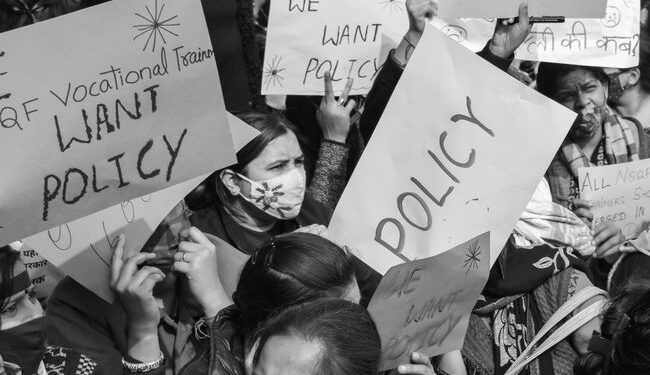
The UDISE+ report indicates that India now boasts nearly 14.67 lakh schools and over 24.72 crore students enrolled. The overall pupil-teacher ratio stands at 24:1, which is below the NEP-recommended benchmark of 30:1. This data reflects a growing commitment to improving educational access and quality, particularly in foundational literacy and numeracy.

India’s National Education Policy (NEP) is changing literacy initiatives as new data comes out on International Literacy Day 2026. The latest report from the Unified District Information System for Education Plus (UDISE+) shows big improvements in enrollment, teacher availability, and foundational learning outcomes. These changes mark an important time in India’s education journey, focusing on boosting literacy rates and ensuring students gain essential skills.
The UDISE+ report states that India now has nearly 14.67 lakh schools and over 24.72 crore students enrolled. The pupil-teacher ratio is 24:1, which is better than the NEP’s recommended 30:1. This data shows a growing commitment to improving access and quality in education, especially in foundational literacy and numeracy. However, the report also points out that some states still lag in enrollment and resources.
Shifts in Curriculum Development and Literacy Focus
The NEP 2020 has changed how curriculum development works. It emphasizes foundational literacy and numeracy (FLN) as key parts of early education. According to Career Ahead’s analysis, the NIPUN Bharat Mission, started in 2021, aims to ensure children learn essential skills early on. This initiative has led to noticeable improvements in foundational literacy, with recent assessments showing the best gains in a decade. The Indian Express notes that focusing on foundational skills is crucial for lifelong learning, which is vital for personal and professional growth.
UDISE+ data shows that the Gross Enrollment Ratio (GER) at the foundational stage is now 21.66%, while the middle stage is at 89.6%. However, the secondary stage has dropped to 71.7%. This gap highlights the need for ongoing curriculum reforms that not only boost enrollment but also keep students in school through secondary education. The NEP has set ambitious goals to tackle these issues, aiming for a more integrated learning approach. The NEP also focuses on vocational training and skill development to boost student engagement and retention, especially in secondary education.
Moreover, the push for digital literacy is changing curriculum development. The UDISE+ report shows that 69.9% of schools have computers and 67.4% have internet access, which are essential for modern education. Integrating technology into the curriculum is crucial for preparing students for a changing job market, where digital skills are in high demand. This focus on digital literacy not only equips students with technical skills but also fosters critical thinking and problem-solving abilities needed in the 21st century.
The NEP also focuses on vocational training and skill development to boost student engagement and retention, especially in secondary education.
You may also like
 Education & University Insights
Haryana Colleges Join National Digital Library Initiative
Haryana's government-aided colleges are set to enhance academic resource access by joining the National Digital Library of India, a move aimed at improving educational outcomes…
Read More →Career Ahead research shows that these curriculum changes aim to improve literacy rates and equip students with skills for future jobs. As education evolves, curriculum developers must align their strategies with the NEP’s goals to maximize learning outcomes. The NEP’s focus on multilingual learning and inclusive education is vital for addressing India’s diverse linguistic landscape. By including multiple languages in the curriculum, the policy aims to enhance understanding and engagement among students from various backgrounds, fostering an inclusive educational environment.
Funding Opportunities for Literacy Programs
The NEP 2020 has opened new funding opportunities for literacy programs across India. The government has tied increased funding to successful initiatives like NIPUN Bharat and ULLAS (Nav Bharat Saaksharta Karyakram), which focus on adult literacy and lifelong learning. Data from the Ministry of Education shows that ULLAS has registered 2.60 crore learners and 42 lakh volunteer teachers, indicating a strong investment in adult education. This commitment to adult literacy is crucial for those who missed formal education as children.
As India works toward its literacy goals, the focus on foundational skills, digital access, and retention strategies will need significant financial support. Career Ahead’s analysis suggests that the government will likely increase funding for literacy initiatives as part of its broader commitment to improving educational outcomes. This funding is essential for developing infrastructure, training teachers, and implementing effective literacy programs. Collaboration among various stakeholders, including NGOs and private entities, can further enhance the reach and effectiveness of these initiatives.
The NEP also promotes public-private partnerships to boost funding and resources for literacy programs. This collaborative approach can leverage the strengths of both sectors, ensuring that literacy programs are well-supported and effectively implemented. Educational institutions and NGOs are encouraged to work together to create innovative solutions for improving literacy rates. Furthermore, the focus on digital literacy offers additional funding opportunities. Schools that integrate technology into teaching may attract investments from tech companies eager to support educational initiatives. This trend could lead to a stronger educational ecosystem where technology plays a key role in literacy development.
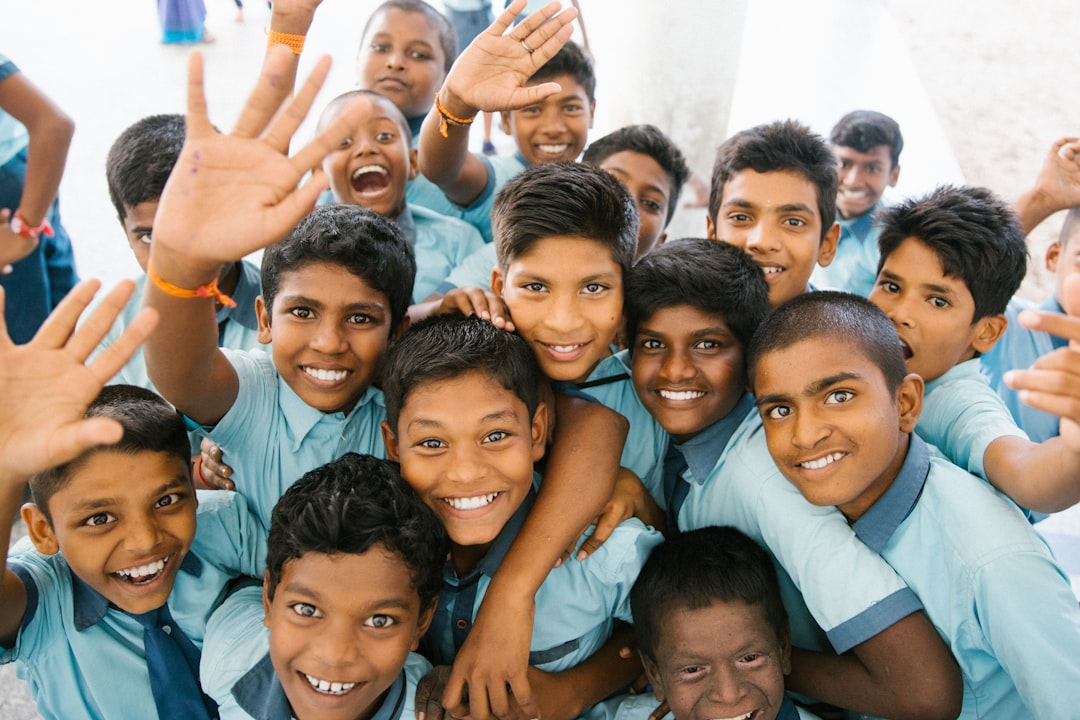
This trend could lead to a stronger educational ecosystem where technology plays a key role in literacy development.
In conclusion, the NEP’s approach to funding literacy programs shows a recognition of education’s role in driving social and economic development. As the government invests in literacy initiatives, stakeholders must ensure these funds are used effectively to achieve desired outcomes. Ongoing evaluation of these programs will be vital in identifying best practices and areas for improvement, ensuring that the NEP’s ambitious goals are met in the coming years.
The NEP 2020’s implications go beyond literacy rates; they also affect broader educational policies and practices in India. The shift toward foundational literacy and numeracy signifies a change in how education is viewed and delivered. This approach prioritizes not only access to education but also the quality of learning experiences. As the NEP is implemented, education policy analysts must monitor the outcomes closely. The UDISE+ data shows promising trends, but challenges remain, especially in retaining students in secondary education. Career Ahead’s analysis indicates that addressing these challenges will require targeted interventions and sustained efforts from all education sector stakeholders.
You may also like
 Education & University Insights
Inside DES Pune University's academic leadership
DES Pune University is embracing innovation in higher education through new leadership strategies, interdisciplinary research, and industry partnerships, aiming to prepare students for a dynamic…
Read More →The focus on digital literacy and technology integration also impacts teacher training and professional development. Educators need the skills to effectively use technology in their classrooms. This need presents an opportunity for training programs that align with the NEP’s goals, ultimately improving education quality across the country. Moreover, the NEP’s emphasis on inclusivity and multilingual education highlights the importance of creating a supportive learning environment for all students. Policymakers must consider the diverse needs of learners and ensure educational materials are accessible to everyone.
As India approaches 2026, the ongoing implementation of the NEP will be crucial for the future of education in the country. The latest UDISE+ data suggests that while progress is being made, much work remains to achieve the NEP’s ambitious goals.
Frequently Asked Questions
What are the latest literacy statistics in India according to NEP?
The latest UDISE+ data shows that India has over 24.72 crore students enrolled in nearly 14.67 lakh schools. The pupil-teacher ratio is 24:1, which is below the NEP-recommended benchmark of 30:1.
This leads to curriculum reforms that prioritize these skills in early education, supported by initiatives like NIPUN Bharat.
How will NEP affect curriculum development for literacy programs?
The NEP emphasizes foundational literacy and numeracy. This leads to curriculum reforms that prioritize these skills in early education, supported by initiatives like NIPUN Bharat.

What strategies should literacy program managers adopt in response to NEP changes?
Literacy program managers should focus on integrating digital literacy into their programs. They must ensure alignment with the NEP’s objectives for improving educational access and quality.
You may also like
 Education & University Insights
NYC Leaders Push for School Integration Amid Segregation
New York City's school system remains one of the most segregated in the U.S. City leaders are now pushing for integration, but advocates emphasize the…
Read More →