No products in the cart.

India's new-age brands grow 3x faster

New-age consumer brands in India are outpacing traditional FMCG companies, driven by digital commerce and a focus on niche markets.

India’s new-age consumer brands are growing more than three times faster than their markets. This trend is changing how established FMCG companies operate and how consumers choose products. In FY25, these brands generated an estimated $7.5 billion in revenue, up from $2 billion five years ago, according to Bain & Company and DSG Consumer Partners.
The rapid growth of these brands is mainly due to digital commerce and quick-commerce platforms. They focus on niche consumer needs that larger rivals often miss. For example, beauty and personal care brands have expanded six times faster than the overall market. Jewellery brands have grown nearly 6.5 times faster. This shift shows a major change in how consumer categories are built and scaled in India. The Economic Times notes that insurgent brands are reshaping traditional categories like snacks, skincare, and wearables.
Digital Commerce: The Catalyst for Growth
Digital commerce is a key driver for the rise of new-age brands in India. As more consumers shop online, these brands use technology to gain an edge. They excel in media and channel deployment, allowing them to reach their audiences better than traditional FMCG companies. Many consumers now prefer online shopping, a trend that has grown due to the pandemic.
Quick commerce has further accelerated this trend. Brands that offer quick delivery meet consumer demand for instant gratification. This has led to a rise in popularity for protein-rich snacks and healthier beverages, appealing to health-conscious consumers. Their ability to innovate and respond to trends has helped these brands capture significant market share. According to the Economic Times, while insurgent brands account for less than 2% of most categories, they are growing much faster than the average, showing a shift in consumer loyalty.
Career Ahead’s analysis shows that insurgent brands compete not just on price but also through better customer engagement. By building strong online communities and using social media effectively, these brands create loyalty among consumers. This approach contrasts with traditional FMCG companies, which often rely on established distribution and mass marketing. The focus on community engagement and personalized marketing helps these new entrants connect deeply with consumers, especially younger ones who value authenticity.
Career Ahead’s analysis shows that insurgent brands compete not just on price but also through better customer engagement.
You may also like
 Industry & Global Trends
AI Talent Race Between US and China Is the Next Battleground
The competition for AI talent between the US and China is growing, with significant implications for job opportunities and recruitment strategies in the field. The…
Read More →This change in consumer engagement strategies means established FMCG companies must rethink their marketing. Many are now exploring digital strategies to stay competitive, but changing consumer preferences pose challenges. To adapt, they need to understand and respond to their target audiences’ specific needs. The challenge is not just catching up with digital changes but also fostering a culture of innovation for quick responses to market shifts.
Moreover, the rise of new-age brands highlights the need for agility in product development. Companies that can quickly adjust to meet consumer needs will thrive in this changing landscape. This adaptability is crucial for survival as the market evolves. Launching new products that align with trends like sustainability and health is becoming a key differentiator in the competitive FMCG space.
Emerging Consumer Preferences: A New Landscape
Consumer preferences in India are changing rapidly. A younger demographic now prioritizes health, sustainability, and personalized experiences. This shift creates opportunities for new-age brands to succeed by meeting these specific needs. Many consumers seek products that are effective and environmentally friendly. Brands that highlight their sustainability efforts and ethical sourcing are gaining favor with today’s shoppers.
Insurgent brands are taking advantage of this trend by offering innovative solutions that resonate with modern consumers. Brands focused on science-backed skincare and ergonomic furniture have gained traction, aligning with health-conscious and environmentally aware shoppers. This trend shows a significant departure from traditional brands, which often adapt more slowly. The Economic Times highlights that the pressure on established brands is not just about scale but also about engaging with consumers on these emerging values.
The rise of quick commerce has also changed consumer behavior by enabling immediate access to products. This has led to expectations for faster delivery times across all sectors, including FMCG. Consumers now prefer brands that deliver quality products quickly, emphasizing the need for agility in supply chain management. As a result, established companies must rethink their logistics and distribution strategies to keep up with insurgent brands.
Consumers now prefer brands that deliver quality products quickly, emphasizing the need for agility in supply chain management.
You may also like
 Industry & Global Trends
Hormuz Crude Oil Exports Near Pre-War Levels
The return to pre-war export levels is crucial as it indicates a stabilization in the oil market. Producers and shipping industries have adapted by employing…
Read More →As established FMCG companies face this new reality, they must reassess their strategies. The challenge is balancing innovation with existing products while maintaining profitability. Companies that can integrate new offerings while leveraging their brand recognition will likely do better in this competitive landscape. Career Ahead’s research shows that understanding emerging consumer preferences is vital for established brands. By aligning their product development and marketing with modern consumer values, traditional FMCG companies can better compete with insurgent brands.
In conclusion, the landscape for consumer brands in India is changing dramatically. The rapid growth of new-age brands highlights the need for established FMCG companies to adapt to shifting consumer behaviors and preferences. As this trend continues, the question remains: how will traditional brands respond to the challenge from these insurgent competitors? Can they evolve quickly enough to maintain their market share? The ongoing evolution of consumer preferences will shape the future of the FMCG sector in India, making it crucial for all players to stay aware of these changes.
Frequently Asked Questions
What strategies can startup founders in consumer brands adopt to sustain growth?
Startup founders should leverage digital platforms to reach their target audience effectively. By understanding emerging consumer needs and innovating quickly, they can build a loyal customer base and stand out from established competitors.
Marketing professionals should adapt their strategies to focus on digital engagement and consumer-centric approaches.
How should marketing professionals in FMCG respond to the rise of insurgent brands?
Marketing professionals should adapt their strategies to focus on digital engagement and consumer-centric approaches. This includes using social media and quick commerce to meet today’s consumer demands while fostering brand loyalty.

What should startup founders do about competition from established FMCG companies?
Startup founders should emphasize their unique value propositions and use their agility to innovate. By addressing niche markets and consumer needs that larger companies overlook, they can carve out their space in the competitive landscape.
You may also like
 Industry & Global Trends
Man Charged
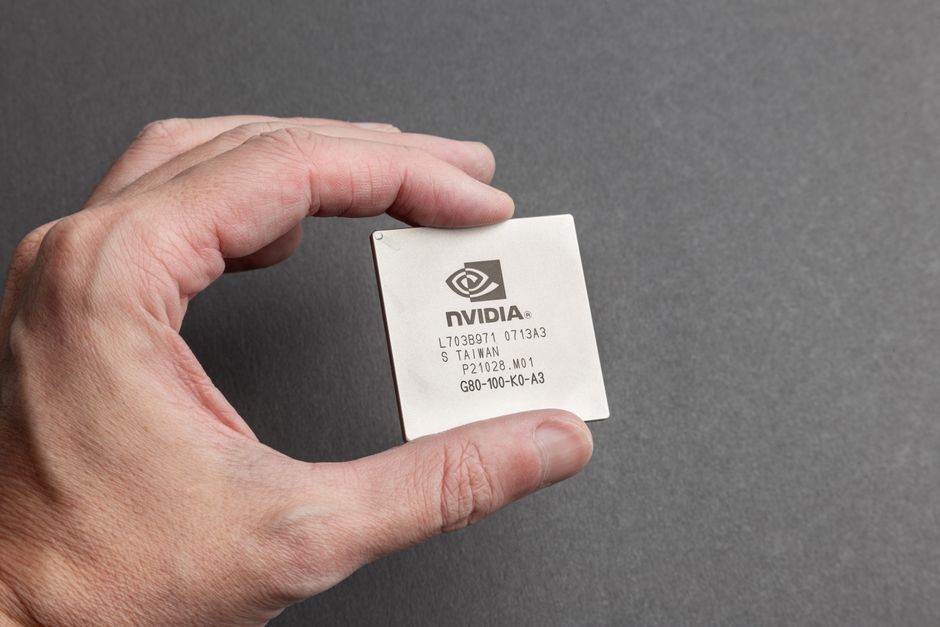
A US national has been charged with illegally exporting Nvidia chips to China, raising significant compliance and legal concerns in the semiconductor industry.
Read More →