

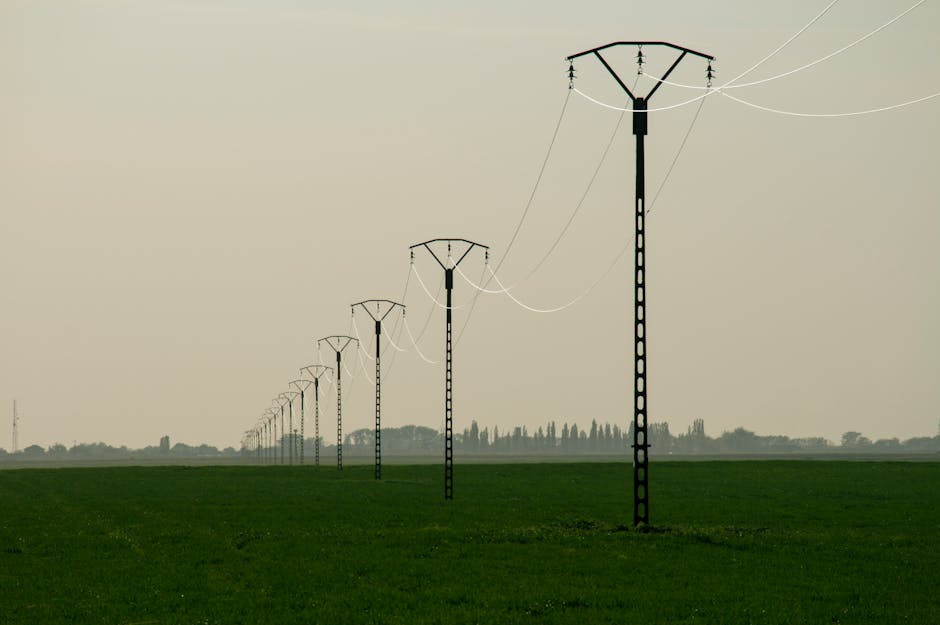
Jaipur, India — India’s Power Ministry has announced a significant milestone in the country’s energy infrastructure. The national power transmission network has surpassed 5 lakh circuit kilometres (ckm) of transmission lines rated at 220 kilovolt (kV) and above. This achievement marks a 71.6% growth since April 2014, underscoring the country’s commitment to expanding its energy capabilities.
The milestone was reached with the commissioning of a new 628 ckm transmission line from Bhadla II to Sikar II substation, which was completed on January 14, 2026. This line is crucial for evacuating renewable energy generated in the Rajasthan Renewable Energy Zone, highlighting the government’s focus on integrating renewable sources into the national grid.
According to the Power Ministry, the network now includes 1,407 giga volt ampere (GVA) of transformation capacity. This expansion is part of a broader strategy to enhance grid reliability and improve power evacuation capabilities across the nation. The ongoing Inter-State Transmission System (ISTS) projects are expected to add another 40,000 ckm of transmission lines and 399 GVA of transformation capacity, primarily aimed at supporting renewable energy evacuation.
Why India’s Power Transmission Growth Matters
India’s rapid expansion in its power transmission network is vital for several reasons. First, it addresses the increasing demand for electricity due to urbanization and industrial growth. As cities expand and more industries emerge, the need for a robust and reliable power supply becomes critical. The expansion of the transmission network ensures that electricity can be distributed efficiently and effectively to meet this demand.
Why India’s Power Transmission Growth Matters India’s rapid expansion in its power transmission network is vital for several reasons.
Moreover, this growth aligns with India’s commitment to increasing its renewable energy capacity. The country aims to achieve 500 GW of renewable energy capacity by 2030. Enhancing the transmission infrastructure is essential for transporting this renewable energy from generation sites to consumption areas. The new transmission lines will facilitate the integration of solar and wind energy into the grid, reducing dependence on fossil fuels.
Additionally, the expansion of the transmission network contributes to job creation and economic growth. The construction and maintenance of new transmission lines require a skilled workforce, providing employment opportunities in various sectors. Furthermore, a reliable power supply can attract investments in industries, further driving economic development.
 Government & Policy
How to Prepare for Campus Placements in India
Aptitude rounds, company-specific interviews and one-offer policies shape a practical preparation order for students seeking campus internships or jobs.
Read More →As of now, the Indian government is focusing on future projects aimed at enhancing energy infrastructure. The draft of the National Electricity Policy 2026, released for public consultation, emphasizes the importance of expanding transmission capabilities. This policy aims to streamline the process of integrating renewable energy sources and improving the overall efficiency of the power sector.
Career Opportunities in the Expanding Energy Sector
The expansion of India’s power transmission network opens up numerous career opportunities for professionals in various fields. From engineering to project management, the growth in this sector creates demand for skilled workers. Here’s how you can position yourself to take advantage of these emerging opportunities:
- Upskill in Renewable Energy Technologies: Consider taking courses related to solar, wind, and other renewable technologies. Understanding these systems will make you more competitive in the job market.
- Gain Project Management Experience: Look for internships or entry-level positions that allow you to manage projects. Experience in overseeing projects from conception to completion is highly valued in this expanding sector.
- Network with Industry Professionals: Attend industry conferences and seminars to meet professionals in the energy sector. Networking can lead to job opportunities and partnerships.
- Stay Informed on Policy Changes: Follow developments related to the National Electricity Policy and other regulations. Understanding the regulatory landscape is crucial for career advancement in this field.
However, some experts caution that while the expansion is promising, it may not be sustainable without addressing underlying challenges. A recent report from the World Bank highlights concerns about the financial viability of renewable projects and the need for a stable regulatory environment to support long-term investments in infrastructure.
From engineering to project management, the growth in this sector creates demand for skilled workers.
Future Prospects for India’s Energy Infrastructure
The future of India’s energy infrastructure looks promising, particularly with the ongoing investments in power transmission. As the country aims to meet its growing energy demands, the focus will likely remain on enhancing the efficiency of the transmission network. This includes adopting smart grid technologies and improving grid management practices.
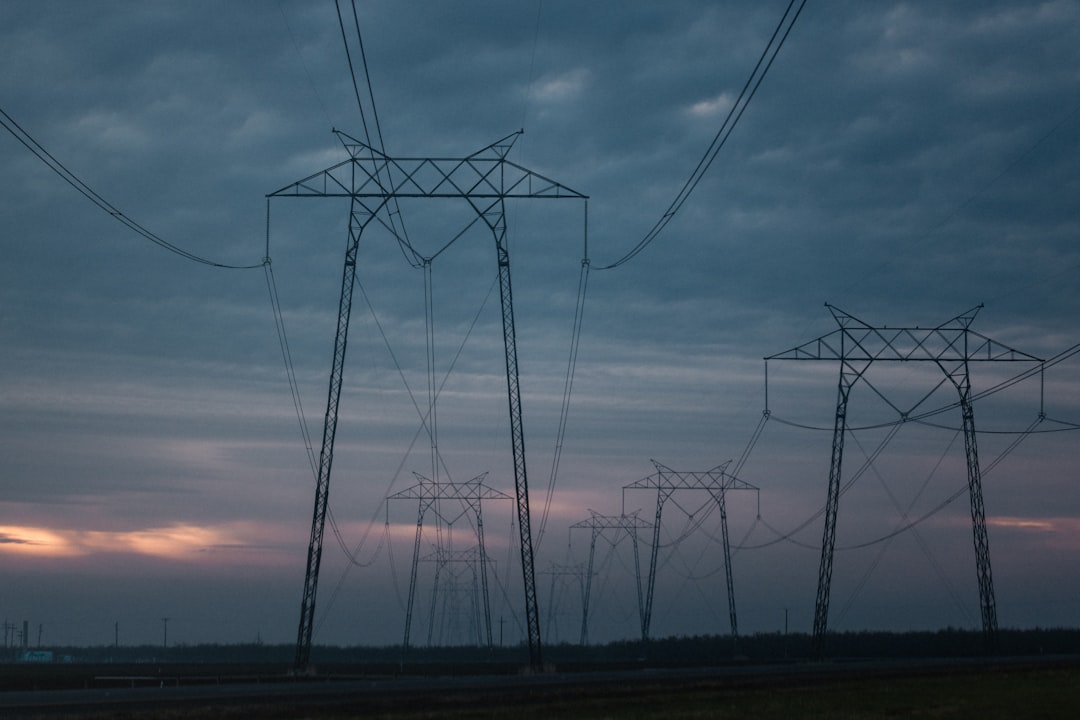
Moreover, as the world shifts towards sustainable energy solutions, India’s role in the global renewable energy market is expected to grow. The successful integration of renewable energy into the grid will not only help meet domestic energy needs but also position India as a leader in the global energy transition.
 Government & Policy
Rubio Urges More US-India Energy Trade and Venezuelan Crude Refining
Rubio discussed refining Venezuelan crude with Indian companies and described India as a “refining superpower”.
Read More →As professionals in the energy sector, the question remains: How can you prepare to be part of this transformative journey in India’s energy landscape? Engaging in continuous learning and adapting to new technologies will be key to thriving in this evolving industry.
Written by Career Ahead AI. AI can make mistakes, so verify key facts. Report errors to support@careeraheadonline.com.





