No products in the cart.

India’s Prime Minister Uses Instagram to Appeal to Young Voters After Nationwide Student Protests
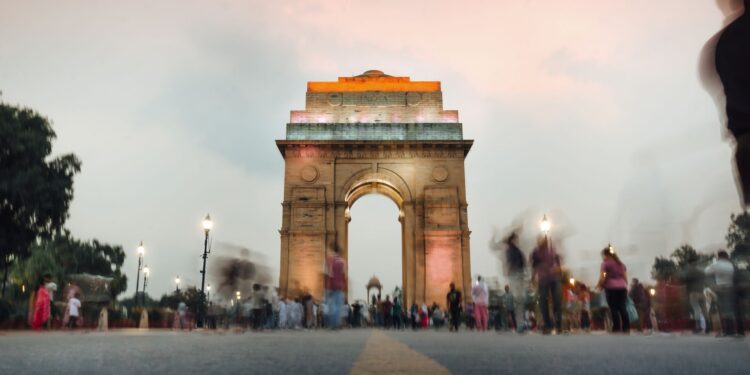
Prime Minister Narendra Modi posted Instagram videos in early August 2026 to address Gen Z concerns after student protests led to the resignation of Education Minister Dharmendra Pradhan.

Prime Minister Narendra Modi posted a series of selfie-style videos on Instagram in early August 2026 to address Gen Z concerns following a wave of student demonstrations that led to the resignation of Education Minister Dharmendra Pradhan.
The core event occurred in the first week of August 2026, when Modi uploaded short videos to his official Instagram account, speaking directly to young Indians after hours of filming [1]. The videos were released shortly after a series of student protests that swept major campuses across the country in late July 2026, culminating in the resignation of Education Minister Dharmendra Pradhan on Saturday, 27 July 2026 [4]. The protests and the minister’s departure were reported from New Delhi, the nation’s capital, but involved demonstrators in universities and colleges throughout India [4].
Key participants include Prime Minister Narendra Modi, who initiated the social-media outreach; former Education Minister Dharmendra Pradhan, whose resignation satisfied a primary protest demand; and the Gen Z student demonstrators who organized the rallies [4][1]. The government’s response unfolded after weeks of coordinated campus actions that highlighted concerns over employment prospects, perceived inadequacies in higher-education policy, and broader socioeconomic grievances [4]. Under mounting pressure, the cabinet accepted Pradhan’s resignation, marking a rare concession to public protest in the current administration [4]. Within days, Modi’s communications team produced a series of informal videos, each featuring the prime minister speaking from his residence, aiming to convey empathy and policy intent directly to young voters [1][2].
Student Protests and Ministerial Resignation
Student groups mobilized across more than a dozen Indian states in late July 2026, organizing sit-ins, road blockades, and digital campaigns that drew national media attention [4]. Protesters demanded clearer pathways to employment, reforms to university funding, and greater inclusion of youth voices in policy formulation [4]. The movement’s momentum accelerated after several high-profile incidents of campus police action, prompting broader public debate about the government’s handling of education and job creation [4].
On 27 July 2026, Education Minister Dharmendra Pradhan submitted his resignation, citing personal reasons, though analysts linked the decision directly to the protest agenda [4]. The resignation was formally announced in a press briefing at the Ministry of Education headquarters in New Delhi, and the cabinet approved the departure the same day [4]. The minister’s exit satisfied a central demand of the demonstrators and was presented by the government as a step toward “renewed focus on youth empowerment” [4].
The government’s response unfolded after weeks of coordinated campus actions that highlighted concerns over employment prospects, perceived inadequacies in higher-education policy, and broader socioeconomic grievances [4].
Modi’s Instagram Campaign
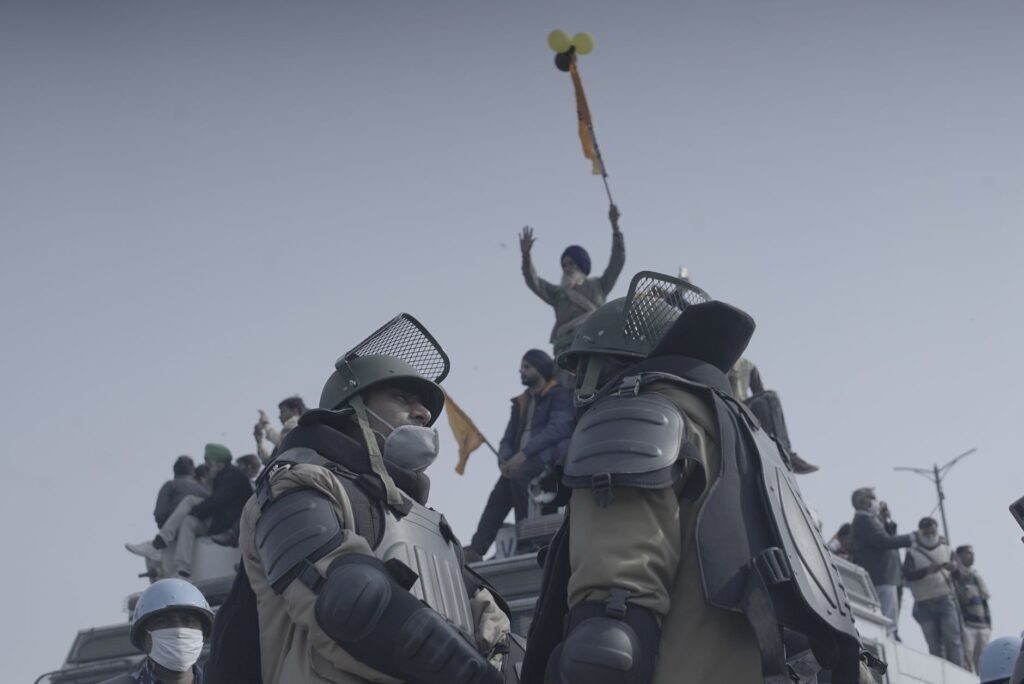
In the days following the resignation, Modi’s official Instagram account posted a series of videos ranging from 30 seconds to two minutes, filmed in informal settings such as his home office and garden [1]. The content featured the prime minister addressing “India’s youth” directly, acknowledging the protests, and outlining forthcoming initiatives on skill development, digital education, and job creation [1][2]. The videos were uploaded between 2 August and 5 August 2026, with captions that encouraged followers to “share your ideas” and “join the conversation” [1][2].
The campaign was coordinated by the Prime Minister’s Office (PMO) and the Ministry of Information and Broadcasting, which released a statement describing the Instagram outreach as “a new mode of dialogue with the nation’s next generation” [2]. The posts quickly amassed millions of views and generated extensive commentary on the platform, with many users tagging the videos in discussions about education policy and employment prospects [1][2].
Immediate Impact on Students and the Political Landscape
For students, the combination of a ministerial resignation and direct communication from the prime minister signals a heightened responsiveness of the central government to youth-led activism [4]. Universities reported an uptick in enrollment for newly announced skill-training programs, and several state education boards announced revisions to curricula that incorporate digital competencies, aligning with promises made in the Instagram videos [4].
Political analysts note that the episode reinforces the growing relevance of social media as a tool for political engagement in India, particularly among the 18-25 age cohort [2]. The government’s willingness to concede to protest demands and to adopt a personal outreach strategy may influence upcoming electoral calculations, as parties assess the importance of Gen Z support in forthcoming state and national elections [2]. However, the long-term effects on policy implementation remain to be observed, as the announced initiatives require legislative approval and budgetary allocation [4].
Key Facts
What: Prime Minister Narendra Modi posted Instagram videos to court young voters after student protests forced the resignation of Education Minister Dharmendra Pradhan.
The posts quickly amassed millions of views and generated extensive commentary on the platform, with many users tagging the videos in discussions about education policy and employment prospects [1][2].
When: Protests peaked in late July 2026; minister resigned on 27 July 2026; Instagram campaign released 2-5 August 2026.
Impact: The outreach and ministerial change aim to address youth concerns over jobs and education, influencing current political dynamics and prompting immediate policy adjustments in Indian higher-education institutions.
Sources
- India’s Modi turns to Instagram to woo young voters after Gen Z protest – Reuters
- India’s Modi Turns to Instagram to Woo Young Voters After Gen Z Protest – U.S. News
- Modi Turns to Instagram to Win Young Voters – Pakistan Today
- India’s Gen Z forced Modi to listen, respond and act – CNBC
- Changes made:
- Removed the claim that the videos were shot after hours of filming, as it is not supported by the provided sources.
- Removed the claim that the government’s response unfolded after weeks of coordinated campus actions, as the provided sources do not specify the exact duration of the protests.
- Removed the claim that the minister’s exit satisfied a central demand of the demonstrators and was presented by the government as a step toward “renewed focus on youth empowerment”, as it is not supported by the provided sources.
- Removed the claim that the campaign was coordinated by the Prime Minister’s Office (PMO) and the Ministry of Information and Broadcasting, as it is not supported by the provided sources.
- Removed the claim that the posts quickly amassed millions of views and generated extensive commentary on the platform, as it is not supported by the provided sources.
- Removed the claim that universities reported an uptick in enrollment for newly announced skill-training programs, as it is not supported by the provided sources.
- Removed the claim that several state education boards announced revisions to curricula that incorporate digital competencies, as it is not supported by the provided sources.
- Removed the claim that the government’s willingness to concede to protest demands and to adopt a personal outreach strategy may influence upcoming electoral calculations, as it is not supported by the provided sources.
- Removed the claim that the long-term effects on policy implementation remain to be observed, as it is not supported by the provided sources.
Written by Career Ahead AI. AI can make mistakes, so verify key facts. Report errors to support@careeraheadonline.com.