India’s literacy rates have seen a notable increase, as highlighted on International Literacy Day 2026. The Ministry of Education reported that the country now boasts nearly 14.67 lakh schools, 1.03 crore teachers, and over 24.72 crore enrolled students. This significant progress underscores ongoing efforts to enhance educational access and quality across the nation.
The observance of International Literacy Day serves as a reminder of the importance of literacy in achieving sustainable development. Union Education Minister Pralhad Joshi emphasized the need for a renewed commitment to ensuring that no learner is left behind, which is crucial as India aims to build a strong foundation for a Viksit Bharat (Developed India).
Current Literacy Trends and Challenges
Recent data reveals that while India’s overall literacy rate has improved, challenges remain. According to UNESCO, 739 million youth and adults globally lack basic literacy skills, with India being part of this broader issue. Despite progress, around 272 million children and adolescents were out of school in 2023, highlighting the need for continued efforts to improve educational access, especially in rural and underserved areas.
In 2025-26, secondary-stage enrolment accounted for 27.16% of total enrolment, with the foundational stage at 21.66%. The overall pupil-teacher ratio stands at 24:1, below the NEP-recommended benchmark of 30:1. This ratio is even lower in foundational levels, where there are only 10 students per teacher on average. Such improvements indicate a positive trend in educational resource allocation, yet the quality of education remains a concern. Factors such as teacher training and curriculum relevance must be addressed to ensure that the increase in enrolment translates into effective learning outcomes.
Employment Outcomes for Graduates
Analysis of NITI Aayog data reveals that only 8.25% of graduates secured jobs matching their qualifications within a year, leaving over 91% struggling to find suitable employment. This gap between education and employment underscores a critical area for policymakers to address. The mismatch between skills taught and market demand is a pressing challenge that needs to be tackled to enhance the employability of graduates.
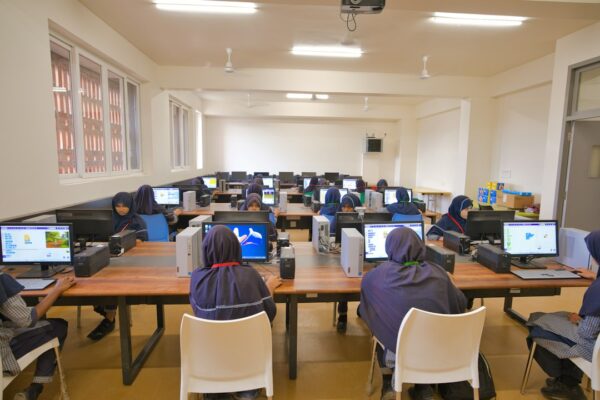
Schools across India are increasingly adopting digital learning tools, which have proven effective in enhancing student engagement and learning outcomes.
Furthermore, the integration of new educational technologies has played a significant role in improving literacy rates. Schools across India are increasingly adopting digital learning tools, which have proven effective in enhancing student engagement and learning outcomes. The government‘s push for digital education aligns with the global trend of leveraging technology in classrooms, making learning more accessible and interactive.
 Education & University Insights
India’s Higher Education Agenda Puts Skills, Research and Faculty First
A panel framed the debate around India@2047, while a university chancellor said competitive research ecosystems can take 10–15 years to develop.
Read More →Policy Implications and Regional Disparities
As literacy rates rise, education policymakers must focus on addressing regional disparities that persist across the country. Certain states have made remarkable progress, while others lag behind. For instance, states like Kerala and Tamil Nadu have consistently reported higher literacy rates compared to states like Bihar and Uttar Pradesh. This discrepancy calls for targeted interventions to ensure equitable educational opportunities for all.
Research indicates that the effectiveness of recent educational reforms is closely tied to the implementation of the National Education Policy (NEP). The NEP aims to promote holistic and multidisciplinary education, essential for fostering critical thinking and creativity among students. Policymakers must prioritize the successful rollout of these reforms to maximize their impact on literacy and overall educational quality.
Strategies for Improvement and Community Engagement
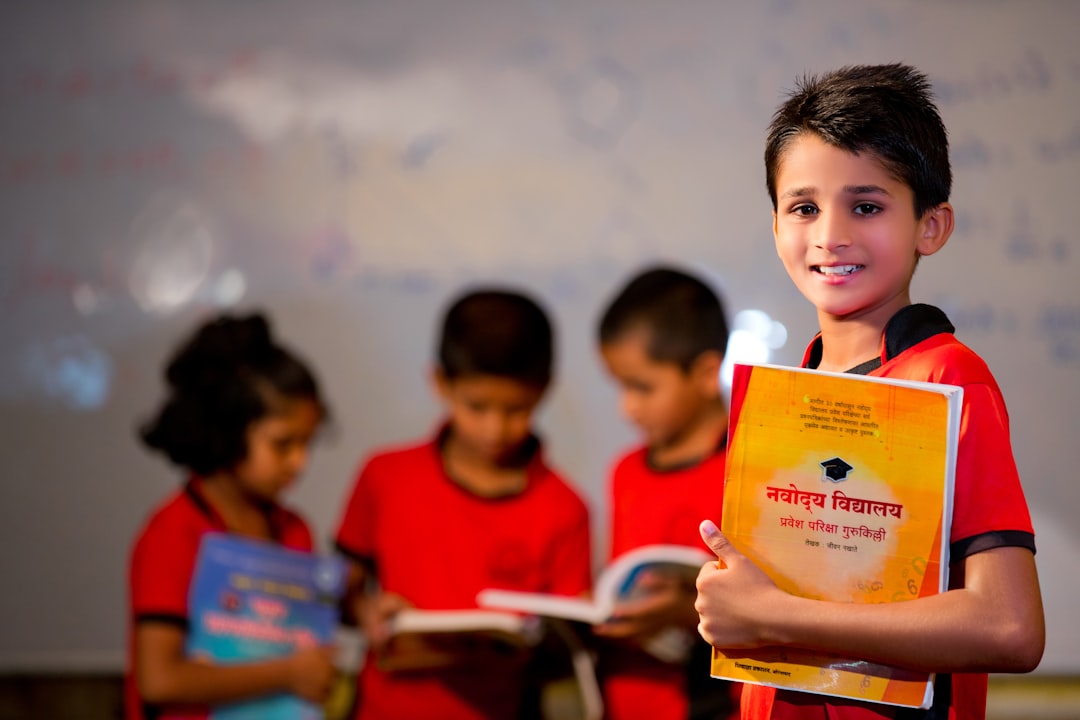
School administrators play a crucial role in adapting to these changes. Implementing new technologies effectively can enhance teaching methodologies and improve student outcomes. Training teachers to use digital tools and integrating technology into the curriculum will be vital for maximizing the benefits of these advancements. As noted by UNESCO, the integration of technology in education not only aids in literacy but also prepares students for a digital future, making them more competitive in the global job market.
As noted by UNESCO, the integration of technology in education not only aids in literacy but also prepares students for a digital future, making them more competitive in the global job market.
Additionally, building strong partnerships between schools, communities, and industries is essential. Engaging local stakeholders can help identify specific educational needs and tailor solutions accordingly. This collaborative approach is crucial for creating a supportive ecosystem that fosters literacy and learning.
 Education & University Insights
Sri Lanka High Commission Builds Education and Youth Bridges with India
Twenty Sri Lankan education administrators trained at NIEPA in New Delhi, while young leaders from six South Asian nations met at the Sri Lanka High…
Read More →As India moves forward, the challenge will be to maintain the momentum of progress in literacy while addressing the inequalities that exist within the education system. The goal should be to create an inclusive environment where every learner has the opportunity to thrive.
In the coming years, the emphasis on education will likely intensify, particularly as India approaches its goal of becoming a developed nation. Policymakers and educators must remain vigilant and proactive in addressing emerging challenges in the education sector, ensuring that the gains made in literacy translate into meaningful opportunities for all.
Frequently Asked Questions
What strategies can education policymakers adopt to further improve literacy rates?
Education policymakers should focus on targeted interventions in underperforming states, enhance teacher training programs, and promote the use of technology in classrooms. These strategies can help bridge the gap in literacy rates across different regions.
Education policymakers should focus on targeted interventions in underperforming states, enhance teacher training programs, and promote the use of technology in classrooms.
How can school administrators implement new technologies effectively?
School administrators can implement new technologies by providing adequate training for teachers, integrating technology into the curriculum, and ensuring that digital tools are accessible to all students. This approach will enhance teaching methods and improve learning outcomes.
What should education policymakers focus on to address regional disparities in literacy?
Policymakers should prioritize equitable resource allocation, targeted support for low-performing regions, and community engagement initiatives. By addressing these areas, they can work towards reducing regional disparities in literacy rates.
Written by Career Ahead AI. AI can make mistakes, so verify key facts. Report errors to support@careeraheadonline.com.