No products in the cart.

India’s Shift to Piped Gas: Households Must Adapt or Lose LPG

The Indian government mandates households switch to piped natural gas (PNG) or risk losing LPG supply due to global disruptions. Discover the implications.

India’s Great Gas Shift: How a New Government Order is Changing the Way Households Cook
The indian government has issued a new order that will change the way households cook. The order requires households that can be served by a piped natural gas (PNG) network to switch to that supply or lose their right to receive LPG cylinders.
The government made this order because the war in West Asia has disrupted the global LPG supply chain. This has led to a significant shortage of cooking gas in India. The government’s order aims to divert households that can tap into existing PNG infrastructure away from LPG cylinders.
Why the Government Made This Order
The conflict in West Asia has had a devastating impact on India’s LPG supply chain. The government was forced to take drastic measures to ensure a steady supply of cooking gas to its citizens. By mandating the switch to PNG, the government hopes to create a buffer that can be redirected to regions still awaiting PNG infrastructure.
The government also hopes to promote natural gas as a household staple. They aim to increase the share of PNG in the country’s energy mix to 15% by 2025.
Pipeline Payday: How City-Gas Firms are Responding to the Order
City-gas distribution (CGD) companies are responding to the government’s order with a range of incentives. They are offering free PNG connections, waiving connection fees, and providing discounts on gas purchases.
This allows households to get connected to the PNG network within days rather than weeks.
Mobile apps have also been launched to facilitate a “90-second” KYC process. This allows households to get connected to the PNG network within days rather than weeks.
The Price Freeze Mirage: What Consumers Really Pay
While the government’s order has sent shockwaves through the LPG market, the retail price of LPG cylinders remains unchanged in major cities. However, consumers are facing a growing grey-market premium.
According to a survey, over 70% of households in districts where PNG is now mandatory are paying a premium of up to ₹100 per cylinder.
State Capitals Bargain for Extra Quota
The central government has offered states that accelerate PNG right-of-way clearances and expand last-mile connectivity an additional commercial LPG allocation.
This incentive is aimed at encouraging state governments to align their infrastructure plans with the national objective.
The Last-Mile Reality Check
While the policy sounds straightforward, the on-the-ground challenges are significant. PNG requires a trench-to-kitchen copper loop and a reliable pressure-regulating station.
State Capitals Bargain for Extra Quota The central government has offered states that accelerate PNG right-of-way clearances and expand last-mile connectivity an additional commercial LPG allocation.
Current surveys indicate that a significant portion of urban poor neighborhoods remain unserved. This leaves residents with a choice between a costly cylinder or no gas at all.
You may also like
 Government & Policy
SEBI Alerts Investors on Anonymous Tips, Finfluencers
Project Jagrook aims to combat the influence of anonymous financial advisors and so-called "finfluencers," who often provide misleading advice to unsuspecting retail investors.
Read More →Strategic Perspective: From Import Bill to Energy Mix
Every household that moves from LPG to PNG reduces the national demand for imported cylinders by a measurable margin. Analysts estimate that a single PNG connection can free up roughly four-fifths of a tonne of LPG each year.
This could ease the pressure on India’s import bill. According to a study by the International Energy Agency (IEA), India’s energy imports are expected to decrease by up to 10% by 2025.

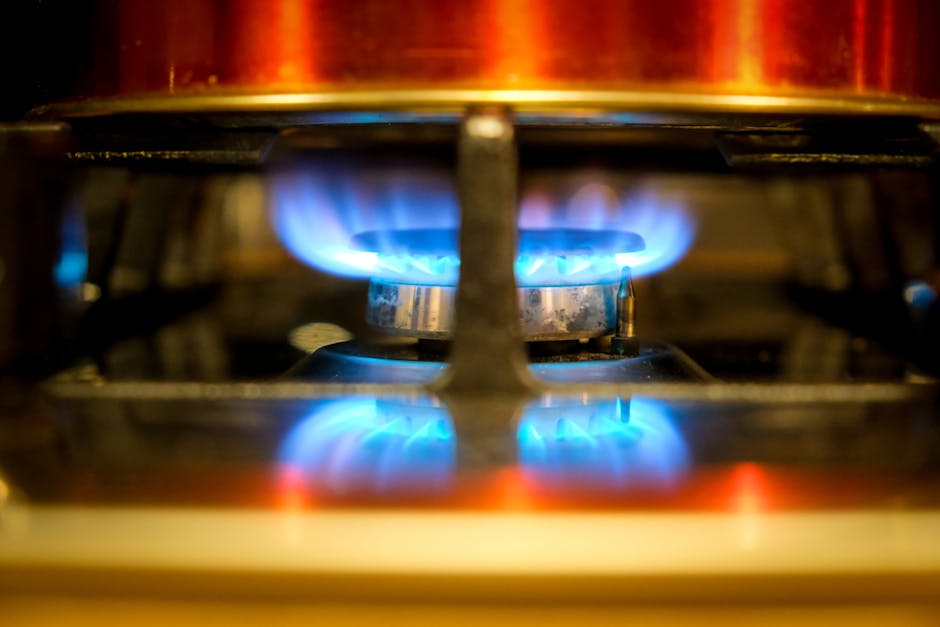
The real test will be whether the pipeline network can expand fast enough to keep pace with the legal mandate.

The real test will be whether the pipeline network can expand fast enough to keep pace with the legal mandate. If the rollout succeeds, India could witness a rapid shift from a cylinder-centric market to a pipeline-driven ecosystem—a change that would reshape both the domestic energy landscape and the nation’s balance of trade.