No products in the cart.

India’s Toughest Exams: NEET, JEE, UPSC, UGC-NET Battle

NEET, the National Eligibility cum Entrance Test, is primarily for medical aspirants, while JEE (Joint Entrance Examination) caters to engineering hopefuls.

India’s competitive exam landscape is daunting, with millions of aspirants vying for a limited number of seats in prestigious institutions and government positions. The latest data reveals that NEET, JEE, UPSC, and UGC-NET each present unique challenges, shaping the preparation strategies of countless students. In 2026, NEET registered over 22 lakh candidates, while UPSC attracted just under 10 lakh, highlighting the intense competition across these exams.
NEET, the National Eligibility cum Entrance Test, is primarily for medical aspirants, while JEE (Joint Entrance Examination) caters to engineering hopefuls. UPSC (Union Public Service Commission) focuses on civil services, and UGC-NET (University Grants Commission – National Eligibility Test) is for aspiring academics. Each exam has its own eligibility criteria, structure, and qualification benchmarks, making direct comparisons complex. The UGC-NET, for instance, not only assesses candidates for eligibility in teaching positions but also serves as a qualifying exam for research fellowships, adding another layer of significance to its results.
Exam Difficulty Levels and Candidate Success Rates
The difficulty levels of these exams vary significantly. NEET, while having the highest number of registrations, presents a unique challenge due to the limited number of medical seats available. With approximately 1.39 lakh MBBS seats across India, the competition is fierce, with about 14 candidates competing for each seat. This statistic underscores the pressure on NEET aspirants, who must not only qualify but also secure a high rank to gain admission. The exam’s syllabus encompasses a vast array of topics in physics, chemistry, and biology, requiring a comprehensive understanding and retention of complex concepts.
In contrast, JEE has multiple stages, including JEE Main and JEE Advanced. In 2026, out of 16 lakh candidates who registered for JEE Main, only about 2.5 lakh qualified for JEE Advanced, resulting in a qualification rate of around 16.3%. This filtering mechanism makes JEE particularly challenging, as merely qualifying for Advanced does not guarantee admission to an IIT. The competition intensifies further during the counselling process, where candidates must navigate various factors like rank and seat availability. The exam’s focus on problem-solving and application of concepts in mathematics and physics means that students must not only master theoretical knowledge but also develop practical skills to tackle complex problems under time constraints.
UPSC’s Civil Services Examination (CSE) is renowned for its rigor. In the 2025 cycle, only 1.63% of applicants progressed to the Mains stage, highlighting the narrow funnel of success. With over 5.7 lakh candidates appearing for the prelims, the selection process is incredibly selective, culminating in just 958 recommendations for final selection. This extreme filtering reflects the high stakes involved in civil services, where aspirants face multiple rounds of scrutiny, including interviews that assess their personality, communication skills, and suitability for public service roles. The vast syllabus, which includes subjects ranging from history and geography to ethics and governance, requires a well-rounded knowledge base and the ability to think critically about complex societal issues.
UGC-NET, while somewhat less publicized, also presents a complex challenge. With over 7 lakh registrations in June 2026, the qualification rate across 84 subjects was approximately 24.3%. This means that while many candidates qualify, the competition for specific categories can be intense, depending on the subject and eligibility criteria. The exam not only tests subject-specific knowledge but also evaluates research aptitude and teaching skills, making it essential for candidates to be well-versed in both theoretical and practical aspects of their chosen fields. As highlighted by the University Grants Commission, the UGC-NET serves as a crucial gateway for those aspiring to pursue a career in academia, thus amplifying its importance in the educational landscape.
As noted in a recent report, institutions are beginning to recognize the importance of mental health support, with some offering counseling services and stress management workshops to help students cope with the demands of their studies.
Overall, the statistics reveal a clear hierarchy of difficulty, with UPSC at the top due to its stringent selection process, followed by JEE, NEET, and UGC-NET. Each exam’s difficulty is not just a matter of content, but also the psychological pressure and the stakes involved in securing a coveted spot in a professional field.
You may also like
 Education & University Insights
Chambal ‘Baaghi’ Legacy to IIT and Global Career Success
Dev Prabhakar Singh Tomar's journey from a Chambal village to securing AIR 629 in the UPSC Civil Services Examination exemplifies resilience and determination among Indian…
Read More →Impact on Student Mental Health and Preparation Strategies
The intense competition and high stakes associated with these exams can significantly affect students’ mental health. Many aspirants experience anxiety and stress, driven by the pressure to perform well. Career Ahead analysis finds that the mental health of students preparing for these competitive exams is often overlooked, yet it plays a critical role in their overall performance. The pressure to succeed can lead to burnout, and many students report feeling isolated as they navigate their preparation journeys. As noted in a recent report, institutions are beginning to recognize the importance of mental health support, with some offering counseling services and stress management workshops to help students cope with the demands of their studies.
To cope with these pressures, effective preparation strategies are essential. For NEET aspirants, a strong grasp of biology, chemistry, and physics is crucial, along with regular practice through mock tests and previous years’ papers. Many students also benefit from coaching classes that provide structured guidance and resources tailored to the NEET syllabus. The use of online platforms for additional practice has become increasingly popular, allowing students to access a wealth of resources and connect with peers for collaborative learning.
JEE candidates, on the other hand, often adopt a problem-solving approach, focusing on concepts in mathematics and physics. The use of online platforms for practice and peer discussions can enhance understanding and retention of complex topics. Moreover, time management during preparation and the exam itself is vital, as students must navigate a series of challenging questions within a limited timeframe. The competitive nature of JEE preparation has led to the emergence of various online forums and study groups, where students share resources and strategies, fostering a sense of community among aspirants.
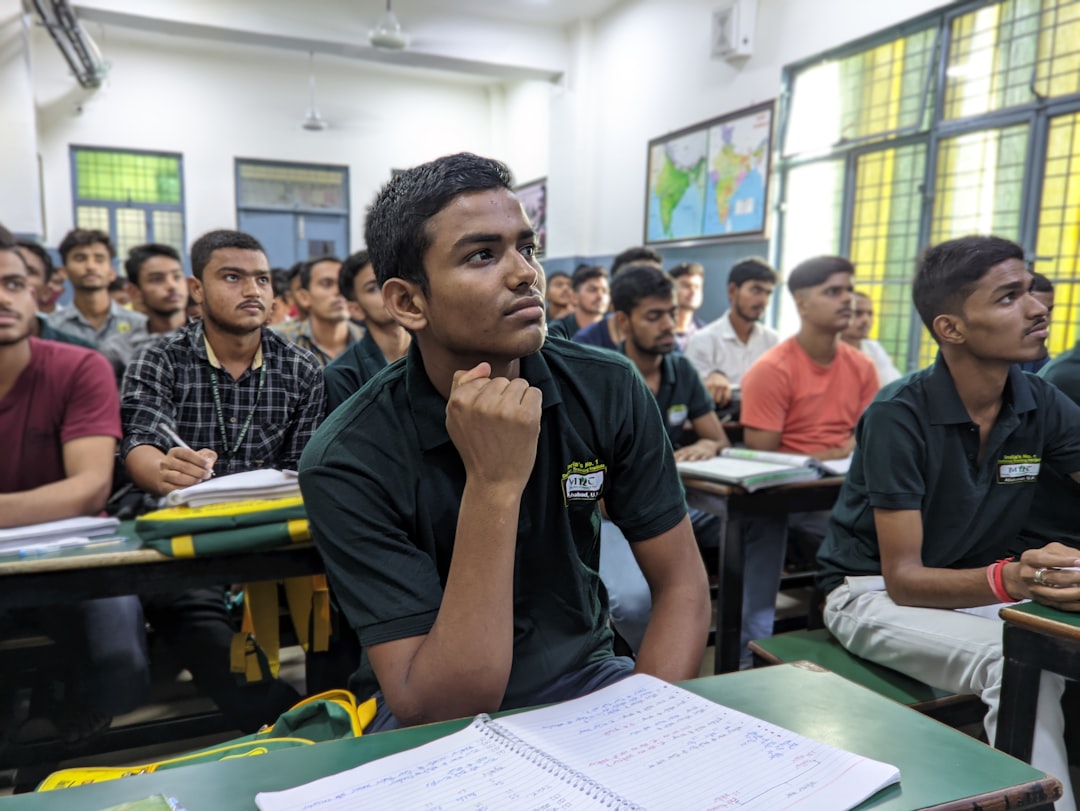
UPSC aspirants require a broader preparation strategy, encompassing current affairs, general studies, and optional subjects. Regular reading of newspapers, participation in group discussions, and mock interviews are common practices among civil services aspirants. This holistic approach helps them develop a well-rounded perspective, which is essential for the exam’s subjective components. As the exam evolves, candidates are increasingly encouraged to engage with contemporary issues and develop their analytical skills, which are crucial for success in the civil services.
The emphasis on research skills not only prepares candidates for the exam but also equips them for future academic roles, making the UGC-NET a vital stepping stone for aspiring educators and researchers.
For UGC-NET candidates, focusing on research methodology and subject-specific knowledge is key. Many also engage in teaching assistantships or research projects to gain practical experience, which can enhance their understanding of the academic environment they aim to enter. The emphasis on research skills not only prepares candidates for the exam but also equips them for future academic roles, making the UGC-NET a vital stepping stone for aspiring educators and researchers.
As the competition heats up for these exams, the need for mental health support and effective coping strategies becomes increasingly important. Institutions and coaching centers are beginning to recognize the significance of mental well-being, offering workshops and counseling services to help students manage stress and maintain focus.
You may also like
 Education & University Insights
Calcutta University Reinstates Attendance Marks for UG Students
Calcutta University has reinstated attendance marks for undergraduate students, allocating 5 out of 25 internal assessment marks to encourage classroom attendance.
Read More →In summary, while each exam presents its own unique challenges, the common thread is the necessity for tailored preparation strategies that address both academic content and the psychological aspects of exam readiness.
Looking ahead, the competitive landscape for NEET, JEE, UPSC, and UGC-NET is expected to evolve. With the increasing integration of technology in education, aspirants may have access to more resources than ever before. Online learning platforms, AI-driven tutoring, and data analytics could personalize study plans, making preparation more efficient and targeted.
Moreover, the trend towards holistic education may influence how these exams are structured in the future. As educational institutions emphasize skills beyond rote memorization, we might see shifts in exam formats that prioritize critical thinking and problem-solving abilities.
Additionally, mental health awareness is likely to continue gaining prominence. As more students and educators recognize the importance of mental well-being, we may see a rise in initiatives aimed at supporting students through their preparation journeys.
Many students find that a combination of structured courses and self-study materials works best for mastering the syllabus.
Ultimately, the future of these competitive exams will depend on how well aspirants adapt to changing educational landscapes and the resources available to them. As they prepare for these challenges, the question remains: how will the evolving nature of education and technology reshape the experience of aspiring medical, engineering, civil services, and academic professionals in India?
Frequently Asked Questions
What are the best resources for NEET preparation?
Career Ahead research identifies various resources for NEET preparation, including coaching institutes, online platforms, and practice tests. Many students find that a combination of structured courses and self-study materials works best for mastering the syllabus.
How can I manage stress while preparing for JEE?
You may also like
 Education & University Insights
Teen Builds Rs 13.9 Lakh Portfolio with New NCERT Curriculum
The new curriculum introduces students to practical concepts such as income tax calculation, budgeting, saving, and investing. This educational reform is exemplified by the story…
Read More →Effective stress management techniques for JEE aspirants include regular physical activity, mindfulness practices, and maintaining a balanced study schedule. Engaging with peers for group studies can also provide emotional support and reduce feelings of isolation.

What are the latest trends in UPSC exam patterns?
Recent trends in UPSC exam patterns indicate a growing emphasis on current affairs and analytical writing. Aspirants should stay updated on national and international issues while honing their writing skills to succeed in the subjective components of the exam.