No products in the cart.

India’s UGC Mandates Specialized MPT and MOT Degrees for 2026-27

The UGC's new mandate for specialized MPT and MOT degrees aims to enhance healthcare education in India, addressing skill gaps in the allied health sector. This change is significant for students and professionals alike, as it opens new pathways for career development in healthcare.

India’s University Grants Commission (UGC) has announced new regulations for specialized Master of Physiotherapy (MPT) and Master of Occupational Therapy (MOT) degrees, set to take effect in the academic year 2026-27. This initiative aims to improve healthcare education and ensure that graduates meet the evolving needs of the healthcare sector.
According to a notification published in the Gazette of India, universities will no longer offer general MPT or MOT degrees. Instead, students must enroll in programs that focus on specific specializations, including musculoskeletal sciences, pediatrics, and mental health. This shift responds to the growing complexity of healthcare needs and the demand for professionals with targeted expertise.
Expanded Specializations in Allied Healthcare
The UGC has introduced several new allied healthcare programs, including Bachelor and Master of Medical Laboratory Science, with specializations in histology and cytopathology. Additional programs will cover emergency medical technology, nutrition and dietetics, and medical radiology and imaging technology. This expansion reflects a growing recognition of the diverse roles in healthcare and the need for qualified professionals.
These specialized degrees align with global trends in healthcare education, where many countries emphasize specialization to allow professionals to develop deep expertise in their fields. The UGC’s initiative positions India to better compete globally as healthcare demands continue to evolve.
Furthermore, the UGC’s requirements will likely lead to significant changes in existing curricula at universities. Institutions will need to adapt their programs to meet these new standards, which may involve developing new courses, hiring specialized faculty, and enhancing clinical training opportunities. These changes present both challenges and opportunities for educational institutions as they aim to produce knowledgeable and job-ready graduates.
These specialized degrees align with global trends in healthcare education, where many countries emphasize specialization to allow professionals to develop deep expertise in their fields.
Additionally, the amendment specifies changes in the duration of certain programs. For instance, the Bachelor of Optometry will now take five years instead of four, demonstrating a commitment to aligning healthcare education with modern medical practices.
Impact on Current and Future Healthcare Professionals
The implications of these changes are significant for both current and future healthcare professionals. For students in physiotherapy and occupational therapy, the shift to specialized programs means they must be strategic in their educational choices. Research indicates that graduates with specialized degrees may have a competitive edge in the job market, as employers increasingly seek candidates with specific skills and knowledge.
For existing professionals, this transition may necessitate additional training or certification in their specializations. As the healthcare landscape evolves, ongoing education will be crucial for professionals to remain relevant and effective. This could lead to increased demand for continuing education programs and workshops focused on specialized skills.
Moreover, the focus on specialization could help address current skill gaps in the healthcare workforce. The National Commission for Allied and Healthcare Professions (NCAHP) notes a pressing need for qualified professionals in specific areas of care, creating opportunities for educational institutions to collaborate with healthcare providers to align curricula with industry needs.
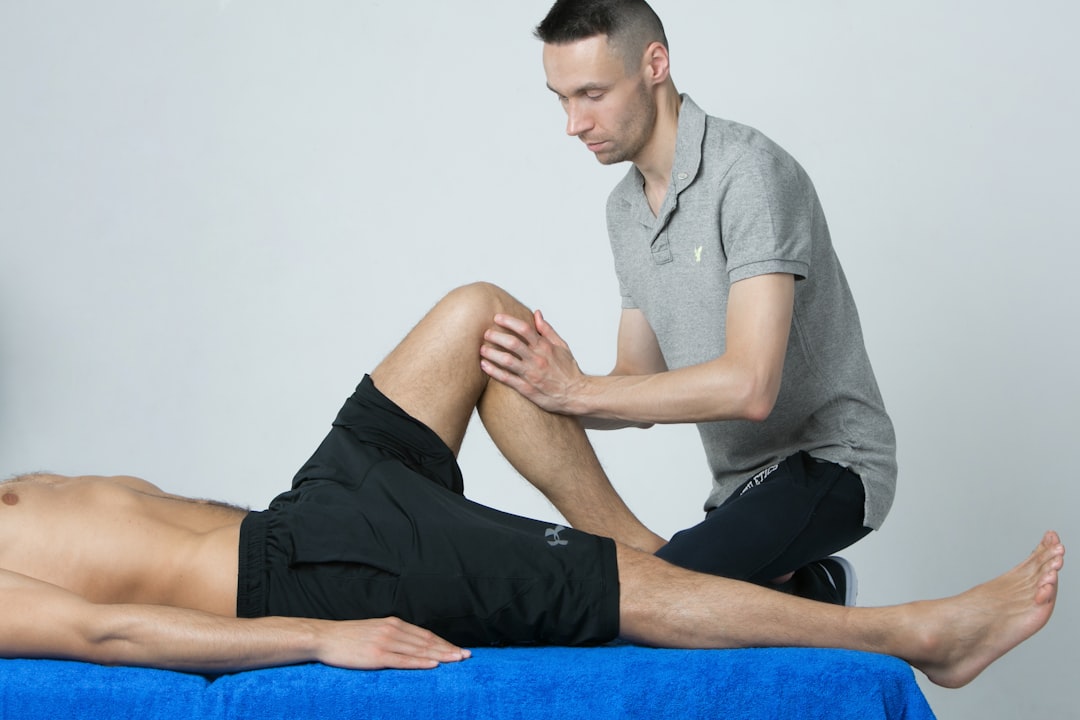
As more students enroll in specialized programs, it will be essential to assess how this shift affects job placement rates and career paths for graduates.
Monitoring the Transition in Healthcare Education
As these changes are implemented, the impact will unfold over the coming years. Stakeholders in the healthcare sector—including educational institutions, employers, and regulatory bodies—must monitor the effectiveness of these new specialized programs. Collaboration among these groups will be crucial to ensure that education aligns with the evolving needs of the healthcare system.
As more students enroll in specialized programs, it will be essential to assess how this shift affects job placement rates and career paths for graduates. Will the emphasis on specialization lead to better employment outcomes? Only time will reveal how these changes will reshape healthcare education and employment in India.

As the healthcare sector continues to grow, the demand for skilled professionals will only increase. The UGC’s initiatives aim to address these needs while raising questions about the future of healthcare education and its impact on the job market for healthcare professionals.
Frequently Asked Questions
What are the benefits of pursuing a specialized MPT degree?
Pursuing a specialized MPT degree allows students to gain in-depth knowledge in areas like musculoskeletal sciences and mental health, enhancing their employability and preparing them for specific roles in healthcare.
Healthcare professionals should consider pursuing additional training or certifications in their specialization, staying updated with the latest developments in their field to maintain competitiveness in the job market.
How will the new allied healthcare programs affect job opportunities?
The introduction of new allied healthcare programs is likely to increase job opportunities in specialized fields such as medical laboratory science and radiology, equipping graduates to meet specific employer demands.
What should healthcare professionals do to prepare for the upcoming changes in degree requirements?
Healthcare professionals should consider pursuing additional training or certifications in their specialization, staying updated with the latest developments in their field to maintain competitiveness in the job market.
Written by Career Ahead AI. AI can make mistakes, so verify key facts. Report errors to support@careeraheadonline.com.