No products in the cart.

IndiGo Orders 1,000+ Aircraft Engines
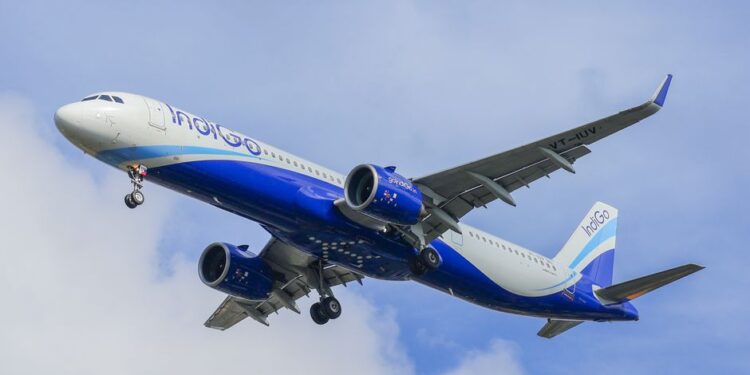
IndiGo's CEO Designate, Willie Walsh, emphasized the LEAP engine's reliability, aligning with the airline's operational resilience and sustainability goals.

India’s largest airline, IndiGo, announced on July 20, 2026, that it has placed an order for over 1,000 LEAP-1A aircraft engines from CFM International during the Farnborough International Airshow. This order, which will power 510 Airbus A320 neo family aircraft, marks the largest single order for LEAP engines, underscoring IndiGo’s commitment to fleet expansion and operational efficiency.
IndiGo’s CEO Designate, Willie Walsh, highlighted the LEAP engine’s reliability, which aligns with the airline’s goals for resilience and sustainability. The partnership with CFM International encompasses not only engine supply but also support for an engine Maintenance, Repair, and Overhaul (MRO) facility in Bengaluru. This facility will be crucial for ensuring engine longevity and performance, thereby reducing downtime and enhancing service efficiency.
Impact on Aviation Engineering Careers
IndiGo’s significant order is poised to have a profound impact on the aviation engineering sector. As the airline expands its fleet, the demand for skilled professionals in aircraft engine design and manufacturing is expected to rise. The LEAP-1A engine’s advanced technology necessitates engineers with expertise in materials science, thermodynamics, and aerodynamics, as well as familiarity with modern manufacturing techniques.
Educational institutions and training programs are likely to adapt to this demand by focusing on specialized skills in aviation. Universities and vocational training centers may enhance their curricula to prepare a new generation of engineers equipped to meet industry needs.
As CFM International ramps up production to fulfill IndiGo’s order, job openings will emerge in manufacturing facilities. The collaboration between IndiGo and CFM International represents a significant investment in aviation technology and workforce development, creating opportunities for engineers, technicians, and support staff.
Educational institutions and training programs are likely to adapt to this demand by focusing on specialized skills in aviation.
Job Creation through MRO Facility
The establishment of the MRO facility in Bengaluru is expected to generate additional jobs, as maintenance and support services for the new engines will require a trained workforce. This development is vital for maintaining IndiGo’s expanding fleet and is projected to create hundreds of jobs, thereby boosting the local economy and enhancing India’s position as a hub for aviation services.
Broader Trends in the Aviation Sector
IndiGo’s large order reflects a broader trend in the aviation industry towards fleet expansion and modernization. As global travel demand increases, airlines are investing in new aircraft and technologies to enhance efficiency and reduce emissions. This trend is likely to influence job opportunities and the overall landscape of the aviation sector.
Research indicates that the Indian aviation market is on the brink of rapid growth, with IndiGo playing a pivotal role. The airline currently operates over 400 aircraft and has more than 900 Airbus aircraft on order, responding to the rising demand for air travel in India and beyond. The Indian aviation sector is projected to become the third-largest globally by 2030, underscoring the significance of IndiGo’s investments.

The partnership with CFM International highlights the importance of collaboration between airlines and engine manufacturers, fostering innovation and ensuring access to the latest technologies. As IndiGo continues to grow, the synergy with its partners will be essential for achieving operational goals and enhancing the supply chain to support production and maintenance activities.
Preparing for Future Opportunities
As the aviation industry evolves, professionals in aviation engineering and manufacturing must stay informed about these changes. IndiGo’s substantial order demonstrates confidence in the aviation market’s recovery post-pandemic and reflects the airline’s commitment to growth and innovation, which may encourage other airlines to follow suit.
Preparing for Future Opportunities As the aviation industry evolves, professionals in aviation engineering and manufacturing must stay informed about these changes.
To prepare for emerging opportunities, aviation professionals should focus on gaining expertise in LEAP engine technology and related fields. Pursuing certifications and training programs centered on modern aircraft engines will be advantageous. Key skills for aircraft manufacturing include knowledge of materials science, thermodynamics, and aerodynamics, along with familiarity with advanced manufacturing techniques.

Frequently Asked Questions
What are the career prospects in aircraft engine engineering after IndiGo’s order?
IndiGo’s order is expected to create numerous job opportunities in aircraft engine engineering, with a rising demand for LEAP engines and specialized skills.
How can aviation professionals prepare for opportunities with CFM International?
Professionals can enhance their prospects by acquiring expertise in LEAP engine technology and pursuing relevant certifications and training programs.
What skills are needed for roles in aircraft manufacturing following IndiGo’s engine order?
Essential skills include knowledge of materials science, thermodynamics, and aerodynamics, as well as familiarity with advanced manufacturing techniques and maintenance practices.
Related Articles
- Korea to explore business opportunities
Written by Career Ahead AI. AI can make mistakes, so verify key facts. Report errors to support@careeraheadonline.com.