No products in the cart.

Indonesia Set to Hold Key Rate as Risks Test Rupiah’s Resilience

The resilience of the rupiah is being tested as external risks mount, including fluctuating oil prices and shifting investor sentiment.

Indonesia’s central bank has decided to keep its key interest rate at 5.75% as of September 2026. This decision comes as the rupiah faces rising pressures from various global economic factors. The aim is to stabilize the currency and boost market confidence.
The rupiah’s strength is being tested due to external risks. These include fluctuating oil prices and changing investor sentiment. Financial analysts are watching these developments closely to understand their impact on Indonesia’s economy. According to MUFG Research, the currency may weaken further, possibly reaching 17,000 against the US dollar due to these pressures and a risk-off sentiment among investors.
Implications of the Key Rate Decision on the Rupiah
Keeping the key interest rate steady is a strategic choice by Bank Indonesia. This decision aims to counter the rupiah’s depreciation. It reflects a cautious approach to provide stability in a challenging economic environment.
Career Ahead’s analysis of MUFG data shows that this decision is linked to the need for currency stability, especially with rising inflation. The central bank’s stance is crucial as inflation is expected to persist, complicating monetary policy.
The rupiah’s value is also tied to global oil prices, which have recently increased. Higher oil prices raise inflation concerns, leading investors to rethink their positions in emerging markets like Indonesia. As a result, currency traders must stay alert and consider hedging strategies to manage risks. The Asia Times notes that the falling rupiah raises questions about Indonesia’s economic resilience amid global shocks, highlighting the need for a strong response from policymakers.
Career Ahead’s analysis of MUFG data shows that this decision is linked to the need for currency stability, especially with rising inflation.
Career Ahead’s analysis shows that understanding the link between interest rates and currency stability is vital for financial analysts. This knowledge helps them make better predictions about market movements and adjust their investment strategies. The rupiah’s stability will depend on various factors, including the global economic outlook and domestic fiscal policies. Traders and analysts should monitor these indicators closely to anticipate currency fluctuations.
Strategies for Mitigating Currency Risk
You may also like
 News
NewsDelhi Govt Engages Labour Dept Amid DTC Drivers’ Strike
The ongoing DTC drivers' strike in Delhi underscores significant labor rights issues as workers demand better wages and conditions. The government's response could influence labor…
Read More →Given the current pressures on the rupiah, currency traders are exploring different strategies to reduce risk. One effective approach is using forward contracts. These contracts allow traders to lock in exchange rates for future transactions, providing a buffer against unfavorable currency movements.
Diversifying investment portfolios is another way to spread risk. By investing in different currencies and regions, traders can lessen their exposure to any single currency’s volatility. This strategy is especially relevant with the current state of the rupiah.
Career Ahead’s review of market trends emphasizes the importance of staying updated on economic indicators that affect currency movements. Traders should monitor inflation rates, interest rate changes, and geopolitical events that could influence investor sentiment. Additionally, using stop-loss orders can help protect against significant losses. These orders automatically sell a currency when it hits a set price, helping traders manage risk effectively.
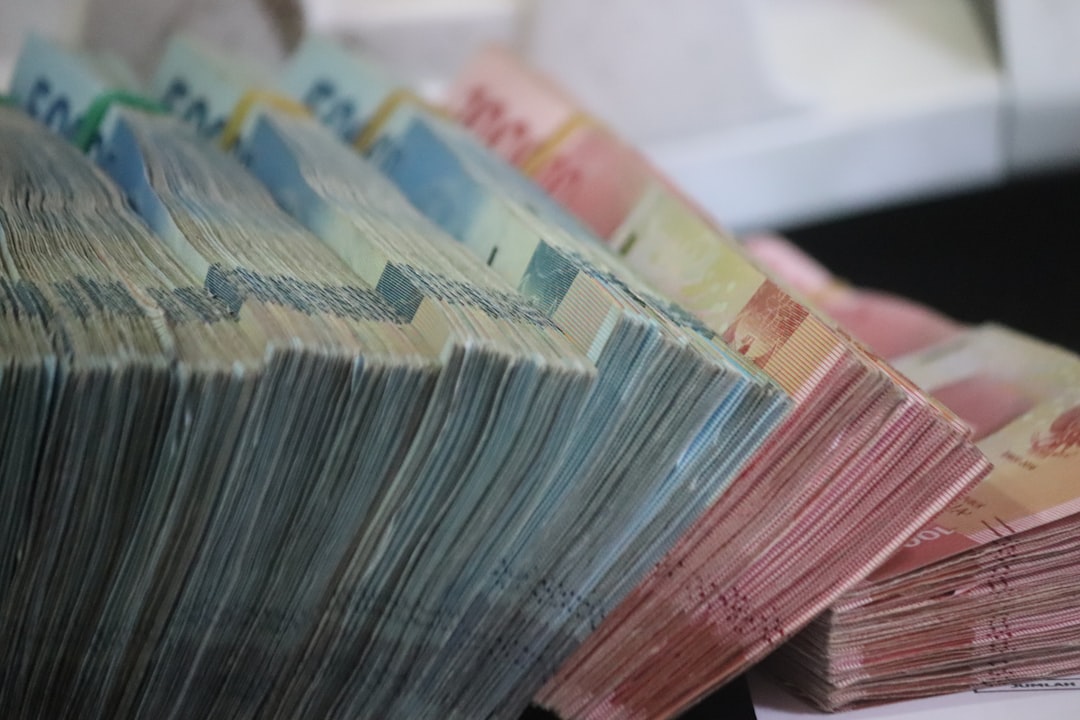
As the situation with the rupiah evolves, traders must remain flexible and responsive to changing market conditions. Adapting strategies based on new information will be key to success in this challenging environment. Analysts should also consider how Indonesia’s economic policies affect regional stability, especially as Southeast Asia faces its own challenges amid global economic uncertainty.
Adapting strategies based on new information will be key to success in this challenging environment.
In conclusion, the current economic landscape offers both challenges and opportunities for currency traders and financial analysts. Understanding the factors that influence the rupiah and the central bank’s decisions is essential for navigating this complex environment. The relationship between domestic policies and global economic trends will shape the future of Indonesia’s currency and its role in the international market.
Frequently Asked Questions
What factors should financial analysts consider when evaluating Indonesia’s key rate?
Financial analysts should look at inflation rates, global economic conditions, and commodity prices when evaluating Indonesia’s key interest rate. These factors greatly affect the rupiah’s value and the overall economic outlook.
How can currency traders hedge against rupiah volatility?
Currency traders can hedge against rupiah volatility by using forward contracts, diversifying their portfolios, and implementing stop-loss orders. These strategies help manage risks from currency fluctuations.
You may also like
 News
NewsPhonePe secures UAE central bank approval for two payment licences
With this regulatory green light, PhonePe is poised to enhance its operations in the UAE, a rapidly growing market for digital payments.
Read More →
What should financial analysts do about potential currency risks in Indonesia?
Financial analysts should continuously monitor economic indicators and market trends to assess potential currency risks in Indonesia. Staying informed will help them make accurate predictions and adjust their investment strategies.