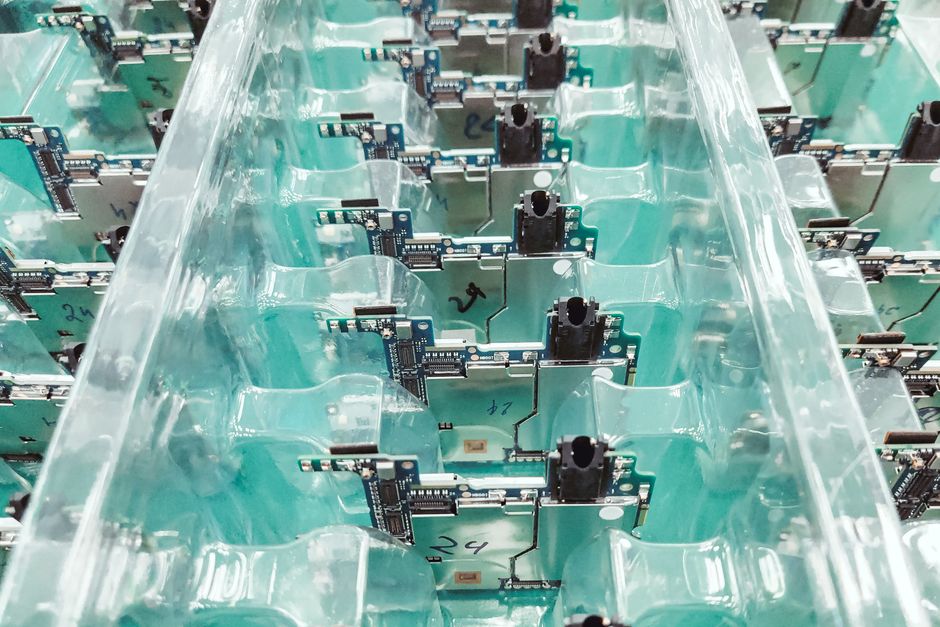
Thailand is set to become a focal point in semiconductor production as Infineon Technologies announces plans to establish a major manufacturing hub in the country. This initiative, revealed in early October 2026, is part of Infineon’s strategy to expand its production capacity in response to the growing global demand for semiconductors.
The establishment of this hub is expected to not only boost Infineon’s operational capabilities but also significantly impact the local job market, particularly for semiconductor engineers and supply chain managers. As the semiconductor industry continues to evolve, Thailand’s role as a manufacturing powerhouse is becoming increasingly apparent.
Job Growth for Semiconductor Engineers
Infineon’s commitment to building a semiconductor hub in Thailand is projected to create a surge in demand for semiconductor engineers. Career Ahead’s analysis indicates that the need for skilled engineers will rise sharply as new production facilities come online, with estimates suggesting thousands of new positions could be available within the next few years.
According to a report by PwC, the global semiconductor market is expected to grow at a compound annual growth rate (CAGR) of 8.6%, reaching nearly US$1 trillion by 2030. This growth is primarily driven by advancements in technology, including the proliferation of electric vehicles, smart devices, and AI applications, which require sophisticated semiconductor solutions. As Infineon ramps up its operations in Thailand, local engineers will find themselves at the forefront of this technological wave.
Additionally, the collaboration between Infineon and local universities is likely to enhance the skill sets of aspiring engineers. This partnership could lead to tailored educational programs that align with industry needs, ensuring that graduates are well-prepared for the challenges of modern semiconductor manufacturing.
Furthermore, the shift towards localized production means that engineers will need to develop expertise in specific areas, such as chip design and manufacturing processes unique to Infineon’s operations. This focus on specialized skills will be crucial for engineers looking to secure positions in the new hub.
Supply Chain Management Opportunities The establishment of Infineon’s semiconductor hub will also have significant implications for supply chain management professionals in Thailand.
Supply Chain Management Opportunities
The establishment of Infineon’s semiconductor hub will also have significant implications for supply chain management professionals in Thailand. As production ramps up, there will be an increased demand for skilled supply chain managers who can navigate the complexities of semiconductor logistics and distribution.
 Industry & Global Trends
Teenage Engineering Stops Synth Production, Musicians React
Teenage Engineering's decision to cease synthesizer production, including the iconic OP-1, raises significant concerns for electronic musicians and the future of music technology. This move…
Read More →Career Ahead’s research finds that effective supply chain management is critical in the semiconductor industry, where timely delivery of components can significantly impact production schedules. As Infineon sets up its operations, supply chain managers will play a pivotal role in ensuring the smooth flow of materials and products, thereby influencing the overall efficiency of the manufacturing process.
Moreover, the need for advanced supply chain strategies will grow as companies seek to mitigate risks associated with global supply chain disruptions. This is particularly relevant in the semiconductor sector, where geopolitical tensions and trade policies can affect material availability. Supply chain professionals will need to adapt by developing robust strategies that can withstand these external pressures.
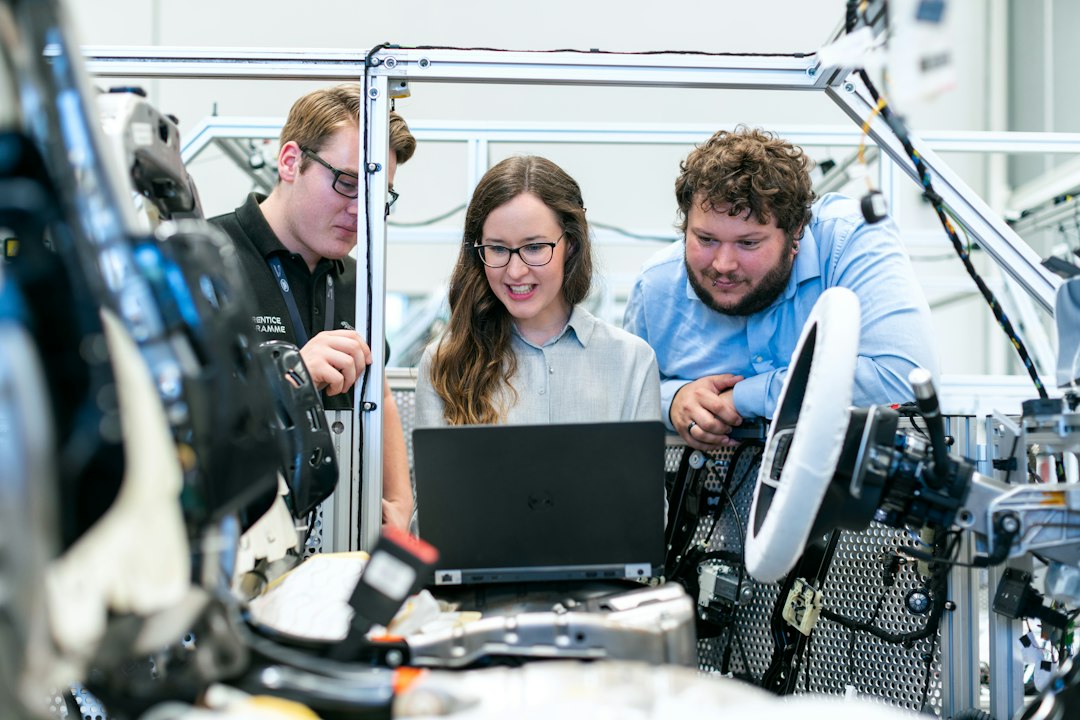
As Thailand becomes a central hub for semiconductor production, supply chain roles will likely evolve to include more technology-driven approaches, such as the use of AI and data analytics to optimize logistics and inventory management. This evolution presents an exciting opportunity for supply chain professionals willing to embrace new technologies.
Thailand’s Position in the Global Semiconductor Landscape
Infineon’s move to establish a semiconductor production hub in Thailand is not just a localized development; it signals a broader trend of shifting semiconductor manufacturing bases closer to end markets. This shift is essential for meeting the rising demand for semiconductors in various sectors, including automotive and consumer electronics.
This evolution presents an exciting opportunity for supply chain professionals willing to embrace new technologies.
As highlighted in Deloitte’s 2026 Semiconductor Industry Outlook, the increasing focus on regional production capabilities is driven by the need for resilience in supply chains. Countries like Thailand, with favorable investment conditions and a skilled workforce, are well-positioned to attract major players in the semiconductor industry.
 Industry & Global Trends
Agarwal Says India Can Attract Data Centre Investment
Agarwal cites data-centre construction costs around half the US and Europe level, renewable energy, a 1.5 billion population and coastline.
Read More →Furthermore, the Thai government has been actively promoting initiatives to enhance the country’s manufacturing capabilities, including tax incentives and infrastructure development. These efforts are expected to further solidify Thailand’s position as a preferred destination for semiconductor investments.

The long-term outlook for semiconductor manufacturing in Thailand appears promising. As Infineon and other companies expand their operations, the ecosystem surrounding semiconductor production will likely flourish, leading to innovations and advancements in technology that could benefit various industries.
Preparing for Opportunities in Thailand’s Semiconductor Sector
To prepare for opportunities in Thailand, semiconductor engineers should focus on acquiring specialized skills in chip design and manufacturing processes, as well as staying updated on industry trends and technologies. Engaging with local educational programs can also provide valuable insights.
Career Ahead’s analysis indicates that semiconductor engineers in Thailand will need strong skills in chip design, manufacturing processes, and familiarity with advanced technologies such as AI and machine learning.
As new semiconductor hubs like Infineon’s emerge, supply chain management will become more technology-driven, focusing on AI and data analytics to optimize logistics and inventory management. This evolution will require supply chain professionals to adapt and enhance their skills.

Frequently Asked Questions
What skills are needed for semiconductor engineers in Thailand?
Career Ahead’s analysis indicates that semiconductor engineers in Thailand will need strong skills in chip design, manufacturing processes, and familiarity with advanced technologies such as AI and machine learning. Collaboration with local universities will also enhance their skill sets.
How will supply chain management change with new semiconductor hubs?
As new semiconductor hubs like Infineon’s emerge, supply chain management will become more technology-driven, focusing on AI and data analytics to optimize logistics and inventory management. This evolution will require supply chain professionals to adapt and enhance their skills.
Written by Career Ahead AI. AI can make mistakes, so verify key facts. Report errors to support@careeraheadonline.com.