No products in the cart.

Investors Question Musk’s Space Ambitions Amid Financial Woes
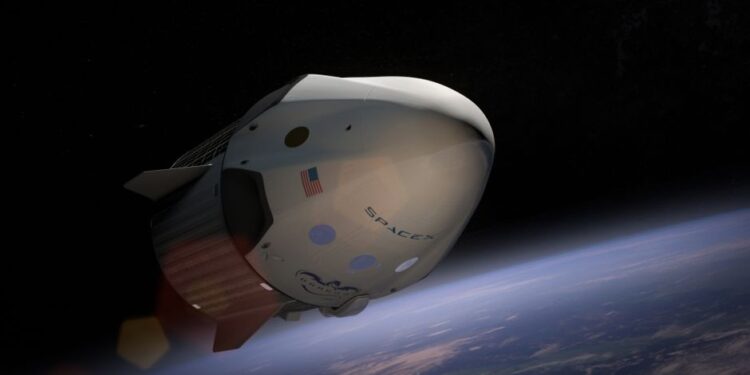
Investor sentiment is shifting, with growing doubts about Elon Musk's ambitious plans for SpaceX. As financial concerns escalate, the implications for tech startups and entrepreneurs in the space sector are significant.

Investors are expressing fresh doubts about Elon Musk’s grand ambitions for SpaceX as financial concerns mount. Following a substantial rise in revenue attributed to its AI business, SpaceX faces significant challenges due to its high capital expenditures. This situation is raising alarms among investors, particularly as the company’s market value has seen a steep decline.
On August 5, 2026, SpaceX reported a staggering 92% year-on-year revenue growth, driven primarily by its artificial intelligence initiatives. However, this growth is overshadowed by the company’s massive spending, which exceeded $16 billion in capital expenditures for the quarter. Investors are wary, especially with $100 billion worth of shares set to hit the market following a lockup period that ended on August 6. According to The Economist, the company’s ambitious plans to expand its AI capabilities have raised concerns about its financial sustainability.
Investor Sentiment Shifts Amid Financial Strain
SpaceX’s recent financial performance has sparked a significant shift in investor sentiment. While the company’s AI unit is contributing positively to revenue, the high costs associated with expanding its data center capabilities have left investors uneasy. The company’s spending on AI infrastructure is more than double its total revenue, raising questions about its long-term sustainability. This is particularly concerning given that the AI sector is notoriously volatile, and many investors are now adopting a more cautious approach.
Career Ahead’s analysis finds that this spending pattern mirrors trends seen in other tech companies, such as Meta, which have faced similar investor backlash due to high cash burn rates. As SpaceX continues to invest heavily in AI, concerns about its ability to generate profit amidst such expenditures are growing. Investors are increasingly cautious about committing to projects that may not yield immediate returns. The skepticism is further compounded by the fact that the AI market is rapidly evolving, and companies must continuously innovate to stay competitive.
Moreover, the market’s reaction to SpaceX’s financial disclosures has been telling. Following the earnings announcement, shares of competitors in the telecom sector, including AT&T and Verizon, fell as investors recalibrated their expectations. This indicates a broader unease regarding the viability of ambitious tech projects led by high-profile figures like Musk. As noted by Newsweek, the uncertainty surrounding Musk’s ventures has led to a reevaluation of risk among investors, who are now more likely to shy away from high-stakes investments.
The need for transparency and a solid financial plan has never been more critical, as investors are now more inclined to back ventures that can assure them of a return on investment.
The implications of this shift in investor sentiment are profound. Entrepreneurs and tech startups in the space industry may find it more challenging to secure funding as investors become increasingly risk-averse. The prospect of investing in high-risk ventures like SpaceX may now seem less appealing, prompting a reevaluation of funding strategies across the sector. This could lead to a significant slowdown in the pace of innovation, as startups may be forced to scale back their ambitions or pivot towards safer, more immediate revenue-generating projects.
Strategic Adjustments for Entrepreneurs in High-Risk Sectors
As investor skepticism rises, entrepreneurs in the space industry must adapt their strategies to navigate this changing landscape. The current climate demands a more cautious approach to securing funding, with an emphasis on demonstrating clear pathways to profitability. This shift could lead to a reevaluation of business models and operational strategies among startups. The need for transparency and a solid financial plan has never been more critical, as investors are now more inclined to back ventures that can assure them of a return on investment.
Career Ahead research identifies that startups focusing on sustainable and immediate revenue generation may have a competitive edge in attracting investment. With investors tightening their belts, those who can showcase a solid financial plan and a clear timeline for returns will be more likely to succeed in securing funding. This shift may also encourage innovation in cost-cutting measures and efficiency improvements within the sector. As the landscape evolves, startups that can effectively leverage technology, particularly AI, will likely find favor among cautious investors.
Furthermore, the growing emphasis on AI and its applications in the space industry presents an opportunity for entrepreneurs to align their projects with investor interests. By integrating AI technologies into their business models, startups can enhance their appeal to investors looking for high-growth potential within a more cautious investment environment. This alignment with market trends could be crucial for survival in a sector that is becoming increasingly competitive.
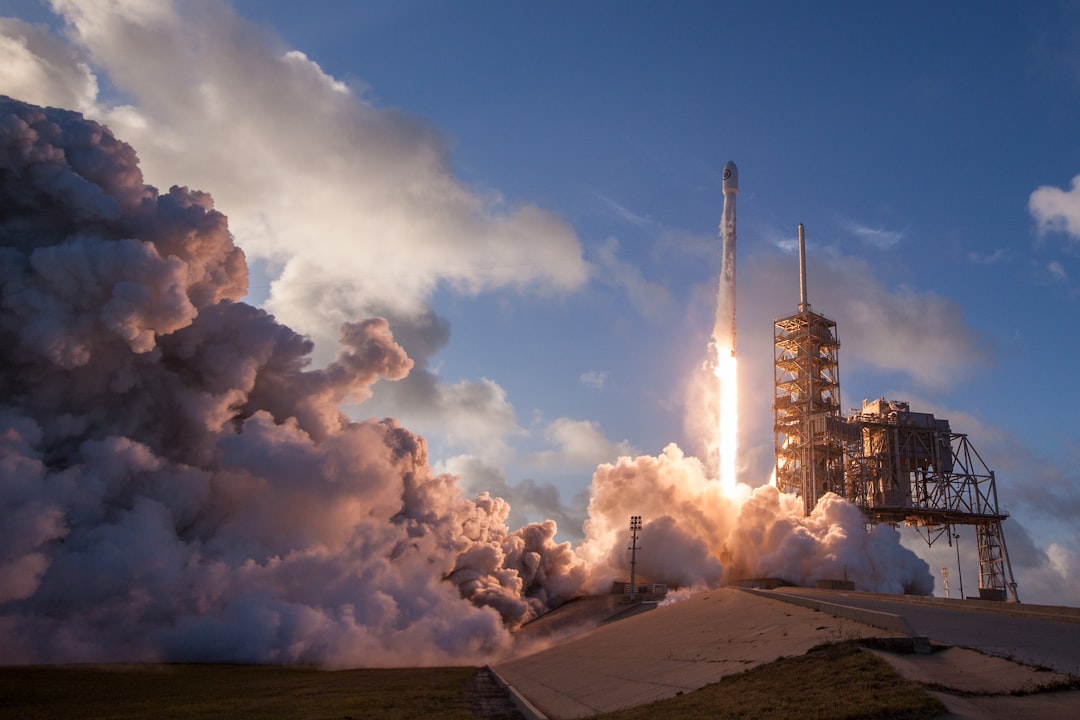
Ultimately, the current investor sentiment may catalyze a transformation in how space ventures operate. Entrepreneurs may need to pivot towards more collaborative models, seeking partnerships with established players to share the financial burden and mitigate risks. This approach could foster a more resilient ecosystem where innovation thrives despite financial constraints. As the industry adapts, the focus may shift from purely ambitious projects to those that promise tangible results in the near term.
Career Ahead analysis shows that the fallout from SpaceX’s financial challenges could extend beyond the company itself, impacting the entire ecosystem of space startups and related industries.
As investor confidence wavers, the broader implications for the space industry are significant. The current climate could reshape funding dynamics, leading to a more conservative approach to investment in ambitious projects. This shift may result in fewer high-risk ventures being launched, as investors prioritize stability over potential high returns.
Career Ahead analysis shows that the fallout from SpaceX’s financial challenges could extend beyond the company itself, impacting the entire ecosystem of space startups and related industries. If investors continue to shy away from high-risk projects, the pace of innovation in the space sector may slow, hindering advancements in technology and exploration. The ripple effects could be felt across various sectors, including aerospace engineering and satellite communications, as funding becomes scarcer.
Moreover, the implications for job seekers and professionals in the space industry could be profound. As funding becomes scarcer, companies may scale back hiring or shift their focus to more immediate revenue-generating activities. This could lead to increased competition for available positions, particularly among those pursuing careers in aerospace and technology. The current climate necessitates a reevaluation of career strategies for those entering the field, as opportunities may become more limited.
In this evolving landscape, the need for adaptability and resilience will be paramount for both entrepreneurs and job seekers. The ability to pivot and align with market demands will determine success in a sector that is increasingly scrutinized by investors. As the situation unfolds, the question remains: how will Elon Musk’s ambitious plans for SpaceX evolve in response to these mounting financial pressures? The coming months will be critical in determining whether the company can reassure investors and maintain its position as a leader in the space industry.
Frequently Asked Questions
What should investors consider before investing in ambitious tech projects?
Investors should assess the financial health and sustainability of the business model, particularly in high-risk sectors like space. Understanding the capital requirements and potential return timelines is crucial before committing funds.
Investors should assess the financial health and sustainability of the business model, particularly in high-risk sectors like space.
How can entrepreneurs adapt their strategies in light of investor skepticism?
Entrepreneurs can focus on showcasing clear pathways to profitability and integrating innovative technologies like AI into their business models. Collaboration with established players may also help mitigate risks and attract investment.

What are the implications of changing investor sentiments for the space industry?
Changing investor sentiments may lead to a more conservative approach to funding in the space sector, resulting in fewer high-risk ventures being launched. This could slow the pace of innovation and impact job opportunities in the industry.
Related Articles
- Infosys Profit Jumps 12% to Rs 7,769 Crore
Written by Career Ahead AI. AI can make mistakes, so verify key facts. Report errors to support@careeraheadonline.com.