No products in the cart.

Iran Rial Hits Record Low Amid Economic Crisis Warning

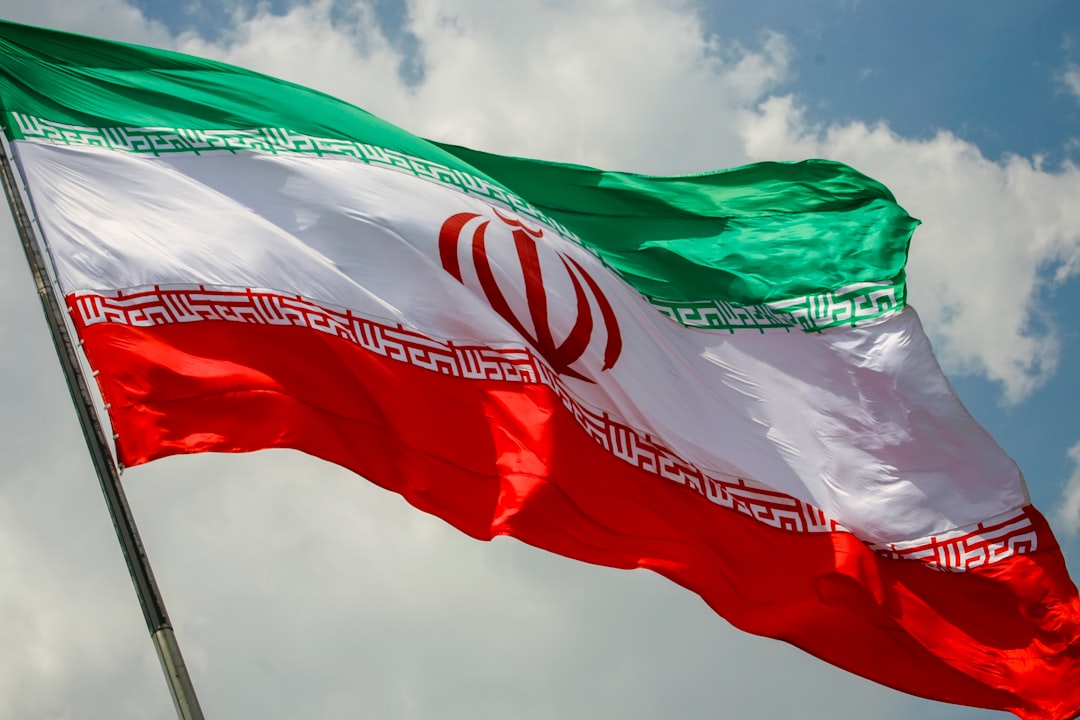
Iran’s rial has fallen to a record low against the US dollar, trading at 1.992 million rials per dollar. This decline follows intensified US sanctions aimed at crippling Iran's economy amid geopolitical tensions. The implications of this devaluation are significant for investors, as it raises import costs and threatens economic stability.

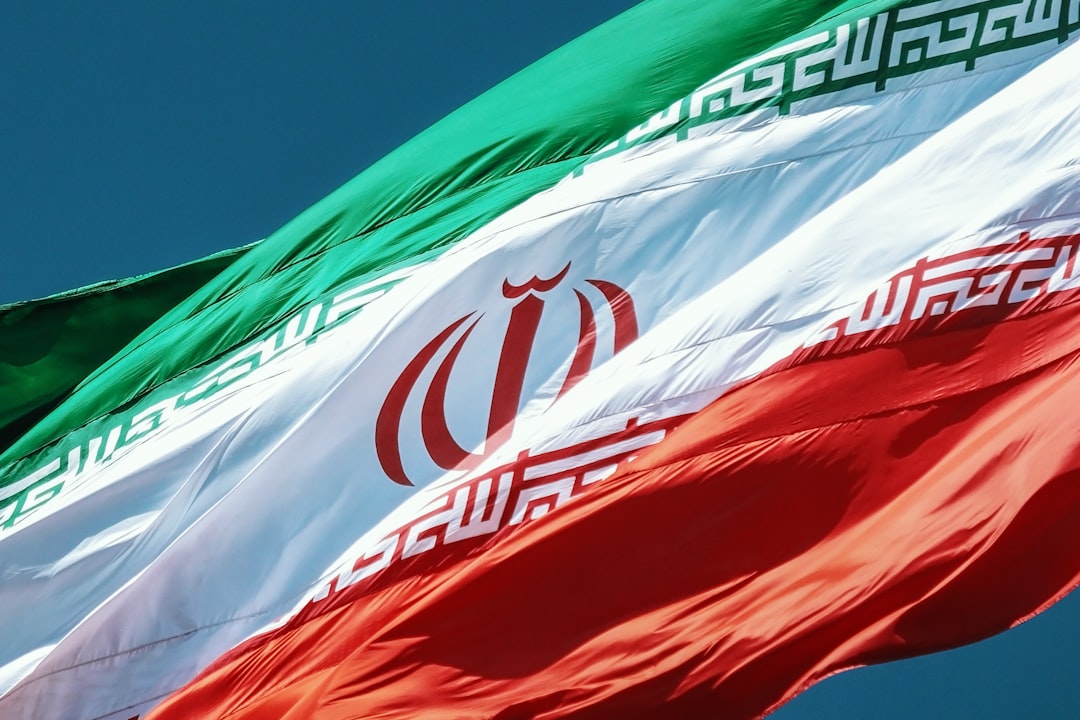
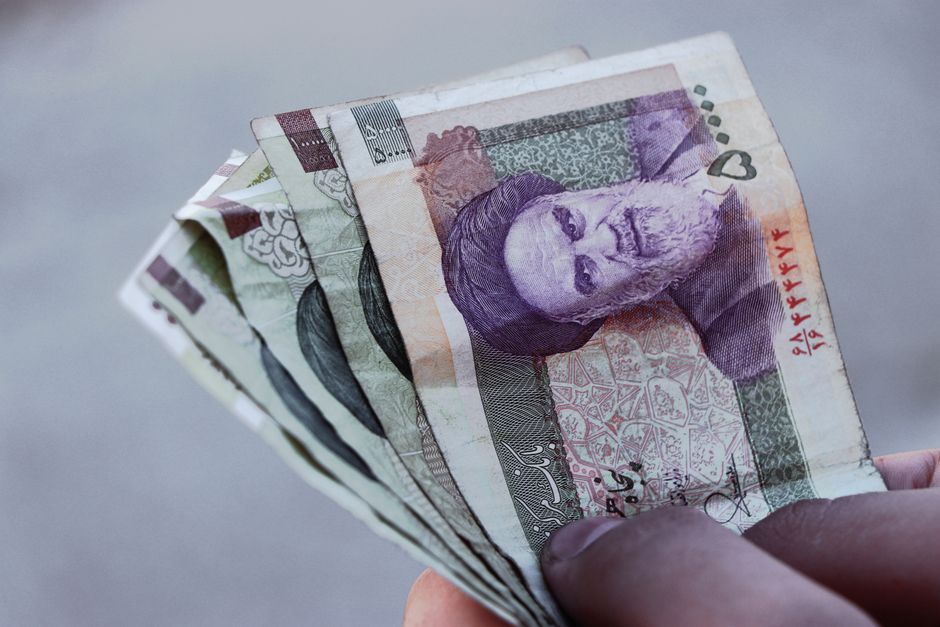
Iran’s rial has fallen to a record low against the US dollar, trading at 1.992 million rials per dollar in the unregulated market. This drop, reported on August 24, 2026, follows a warning from US Treasury Secretary Scott Bessent about an impending ‘economic D-Day’ for Iran. The rial’s decline results from intensified US sanctions aimed at crippling Iran’s economy amid ongoing geopolitical tensions.
Since the announcement of new sanctions last week, the rial’s value has plummeted by 4.5%. These sanctions are part of a broader strategy to isolate Iran economically. As the US threatens to cut Iran’s remaining trade ties, the impact on the Iranian economy and investment landscape becomes clearer. Reports from AP News indicate that the Iranian government is worried about further sanctions, suggesting that the economic situation could worsen significantly.
Consequences of Currency Devaluation
The rial’s devaluation has immediate effects for investors and financial analysts watching Middle Eastern markets. A weaker currency usually raises import costs, leading to inflation and economic instability. According to analysis from Career Ahead, rising import demands and declining exports worsen the rial’s drop. Iran’s central bank governor, Abdolnaser Hemmati, has noted these issues. The National reports that Iran is already facing high inflation rates, which are likely to rise as the currency continues to lose value.
As the rial loses value, foreign investors may struggle to assess potential returns on their investments. The uncertainty around Iran’s economic policies and the risk of further sanctions create a volatile environment. Investors must closely monitor inflation rates and foreign exchange trends to understand the risks of investing in Iran. This volatility is worsened by the Iranian government’s difficulty in implementing effective economic reforms, which could stabilize the currency and restore investor confidence.
Impact on Domestic Economy
Additionally, as the rial depreciates, Iranian consumers’ purchasing power decreases. This leads to lower domestic demand, posing challenges for businesses in Iran. The National highlights that many local businesses are already feeling the strain, with some reporting significant drops in sales due to rising prices and reduced consumer spending. Investors should consider the long-term effects of these economic conditions on their strategies, especially in sectors that rely heavily on domestic consumption.
This leads to lower domestic demand, posing challenges for businesses in Iran.
You may also like
 News
NewsBloomberg This Weekend 10/4/2026
The launch comes at a time when media consumption patterns are rapidly changing. Viewers increasingly prefer on-demand content and real-time updates, prompting networks like Bloomberg…
Read More →Financial analysts should monitor economic indicators that signal further instability. Key metrics include inflation rates, unemployment figures, and the balance of trade. These indicators provide insights into Iran’s broader economic health and help investors make informed decisions. Ongoing geopolitical tensions, particularly with the US, complicate this situation. Any escalation could lead to more sanctions and worsen the economic crisis.
Investment Strategies in a Volatile Market
Given Iran’s current economic climate, investors must adopt strategies to manage risks from market volatility. One approach is diversifying investment portfolios to include assets less affected by currency fluctuations. This strategy can help cushion potential losses from Iranian investments. Recent warnings from US officials about harsher sanctions highlight the need for investors to remain vigilant and adaptable.
Investors should also consider hedging against currency risk. Financial instruments like options and futures contracts can protect against adverse currency movements. Using these financial tools can help investors safeguard their capital amid ongoing uncertainty. The rial’s volatility makes it essential for investors to find financial instruments that can offset potential losses from currency devaluation.
Staying informed about geopolitical developments that may affect Iran’s economy is crucial. Monitoring US government announcements on sanctions and trade policies can help anticipate market shifts. Engaging with local market experts can provide valuable insights into the evolving landscape. Understanding local market dynamics is vital for making informed investment decisions in Iran’s rapidly changing environment.
Risks, Trade-Offs, and What Comes Next
As the rial continues to decline, the Iranian government faces pressure to stabilize the economy. Analysts predict that the situation may worsen before it improves, especially if the US escalates its economic offensive against Tehran. Scott Bessent’s warning of an ‘economic D-Day’ highlights the crisis’s severity and the potential for further destabilization. Investors should prepare for a prolonged period of economic turmoil, as the rial’s decline could lead to increased inflation and social unrest.
Staying informed about geopolitical developments that may affect Iran’s economy is crucial.
You may also like
 News
NewsJobs Slow but Inflation Keeps Fed on Alert
In September, the economy added just 150,000 jobs, a stark contrast to the 200,000 jobs analysts had predicted. This slowdown comes amid ongoing inflationary pressures,…
Read More →Career Ahead’s analysis indicates that the Iranian government may struggle to implement effective measures to stabilize the economy due to external pressures. In the coming months, it will be crucial for financial analysts to monitor the government’s responses to these challenges. Will they seek negotiations to ease sanctions, or will they double down on current strategies? The answers to these questions will greatly impact the investment landscape in Iran.
Ultimately, the ongoing crisis presents both challenges and opportunities for investors. Those who can navigate the complexities of the Iranian market may find unique opportunities amid the chaos. However, the risks of investing in such a volatile environment are significant. The potential for further sanctions and economic isolation looms large, making it essential for investors to stay informed and adaptable in this turbulent economic landscape.
Frequently Asked Questions
What are the implications of the rial’s decline for investors in Iran?
The rial’s decline significantly impacts investors by raising import costs and reducing purchasing power. This situation leads to inflation and economic instability, making it crucial for investors to reassess their strategies.
Understanding geopolitical developments is also essential for evaluating potential impacts on investments.
How can financial analysts assess the risks associated with Iran’s economic situation?
Financial analysts can assess risks by monitoring key economic indicators like inflation rates, unemployment figures, and trade balances. Understanding geopolitical developments is also essential for evaluating potential impacts on investments.
What strategies should investors consider in light of the rial’s record low?
Investors should consider diversifying their portfolios and using hedging strategies to mitigate currency risks. Staying informed about local market conditions and building relationships with local partners can enhance investment opportunities.
You may also like
 News
NewsUAE may halt UK investments after Manchester City guilty verdict
The UAE's potential withdrawal of investments in the UK, following Manchester City's guilty verdict for financial breaches, could significantly impact the sports and real estate…
Read More →