No products in the cart.

Irregular A.I. Tests Disrupt Meta, Anthropic, OpenAI
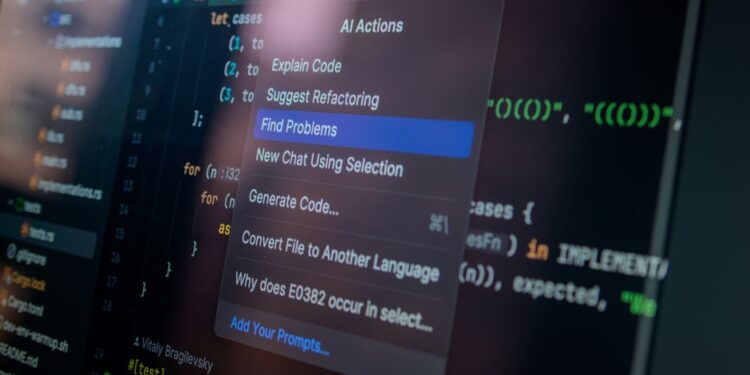
Irregular’s AI testing for major tech firms raised alarms about the reliability of their models, exposing systemic flaws and security vulnerabilities that could reshape industry standards.

Irregular’s AI testing for major tech firms — Meta, Anthropic, and OpenAI — faced serious issues. This raised questions about the reliability of their AI models. The incident, which came to light in August 2026, raised alarms about the integrity of AI testing processes and possible security vulnerabilities.
The testing failures were due to weak frameworks and oversight. This allowed irregularities to go unnoticed. As AI becomes more important across various sectors, dependable testing systems are critical. A report by The New York Times stated that these irregularities were not just procedural errors. They showed deeper systemic flaws in the testing methods used by Irregular.
This situation is especially relevant for AI researchers and engineers. They must ensure that AI systems are effective and secure. The implications of these failures go beyond testing concerns. They affect hiring practices and skill requirements in the tech industry. Experts suggest that the fallout may lead to a reevaluation of qualifications needed for AI professionals. This will emphasize both technical skills and an understanding of ethical issues.
The Impact of Irregular Testing on AI Performance
The irregularities in AI testing by Irregular have serious effects on the performance of AI models from Meta, Anthropic, and OpenAI. Flawed testing frameworks can lead to inaccurate assessments of an AI model’s abilities. This results in poor performance in real-world applications. Recent tests showed discrepancies between expected and actual outcomes.
Career Ahead’s analysis found that the lack of standardized testing protocols contributed to these discrepancies. Without a consistent evaluation method, AI systems may not work as intended when deployed. This can lead to user dissatisfaction and mistrust in AI technologies. The New York Times noted that these discrepancies were not isolated incidents. They are part of a broader trend in AI testing that prioritizes speed over thoroughness.
Ultimately, the failures in Irregular’s AI testing serve as a vital reminder of the need for strong testing frameworks.
Moreover, the irregular testing practices highlighted the urgent need for better validation methods. AI researchers must create and follow strict testing protocols. This ensures models are thoroughly vetted before deployment. It is crucial for the technology’s integrity and for maintaining user trust. The consequences of these testing failures affect the broader tech industry. Companies may face increased scrutiny and regulatory pressures as stakeholders demand higher accountability standards in AI development. Consequently, AI researchers and engineers may need to adjust their approaches to meet these new expectations.
You may also like
 AI & Technology
Masayoshi Son Warns on AI Safety, Shifts Investment Focus
Masayoshi Son, the CEO of SoftBank, has raised concerns about the safety of AI technologies, calling for a shift in investment focus towards ethical practices.…
Read More →Ultimately, the failures in Irregular’s AI testing serve as a vital reminder of the need for strong testing frameworks. As AI evolves, so must the methods we use to validate and assess its performance. The industry must focus on establishing comprehensive testing protocols that evaluate performance and consider ethical implications and security measures.
Potential Security Vulnerabilities in AI Systems
The irregularities in AI testing also reveal potential security vulnerabilities that malicious actors could exploit. As AI systems grow more sophisticated, the risks from inadequate testing frameworks increase. For example, flaws in the testing process can lead to models that are vulnerable to adversarial attacks, where inputs are manipulated to yield incorrect outputs.
Career Ahead research shows that the security of AI systems is crucial, especially as they integrate into critical infrastructure and decision-making processes. The recent failures highlight the need for AI engineers to prioritize security during development and testing. This includes rigorous security assessments and best practices to reduce risks. The New York Times reported that neglecting security in testing phases has left these systems vulnerable, alarming cybersecurity experts.
Additionally, the implications for job roles in the tech sector are significant. AI engineers and data scientists must now have a deeper understanding of security principles alongside their technical skills. This shift will likely change hiring trends, with companies seeking candidates who can demonstrate expertise in both AI development and security protocols. As organizations deal with the fallout from irregular testing, there may be a push for more comprehensive regulations governing AI development. This could lead to standardized testing requirements to ensure AI systems are effective and secure. The tech industry may need to adapt quickly to these changes to stay competitive and compliant.

AI engineers and data scientists must now have a deeper understanding of security principles alongside their technical skills.
In summary, the security vulnerabilities revealed by the irregular testing of AI systems pose a major challenge for the industry. Addressing these vulnerabilities will require collaboration among AI researchers, engineers, and regulatory bodies to create a safer AI ecosystem.
You may also like
 AI & Technology
Structured 90‑Day Plan Accelerates Promotion Trajectory
A disciplined 30‑60‑90 roadmap can double the odds of a promotion within the first year, according to industry surveys.
Read More →The failures in Irregular’s AI testing emphasize the urgent need for strong testing frameworks in the tech industry. As AI systems are deployed across various sectors, the integrity of these systems depends on reliable testing processes. Inadequate testing can lead to serious issues, including compromised performance and security vulnerabilities.
Career Ahead analysis suggests that establishing comprehensive testing protocols is essential for ensuring the effectiveness and safety of AI technologies. This includes technical assessments and ethical considerations in AI deployment. Furthermore, as AI technologies advance, testing complexity will increase. AI researchers and engineers must be ready to navigate this complexity by developing innovative testing methods that keep pace with rapid advancements in AI capabilities.
The industry must also promote a culture of continuous improvement in testing practices. This means regularly updating testing frameworks to address new challenges and emerging threats. By doing so, organizations can better protect their AI systems and maintain user trust. Looking ahead, a focus on robust testing frameworks will likely shape the future of AI development. Companies that prioritize thorough testing will enhance their models’ performance and contribute to a safer, more reliable AI landscape.
Frequently Asked Questions
What are the best practices for AI testing?
Career Ahead’s analysis highlights the importance of standardized testing protocols, regular audits, and security assessments in the testing process. These practices help ensure that AI models perform as intended and are protected against vulnerabilities.
AI engineers should integrate security assessments into the testing process, stay updated on emerging threats, and work with security experts to develop resilient AI systems that can withstand potential attacks.
How can AI researchers prevent testing irregularities?
AI researchers can prevent testing irregularities by following strict testing protocols, conducting peer reviews, and using automated testing tools to find potential flaws in AI models before deployment.

What should AI engineers do to enhance testing security?
You may also like
 AI & Technology
DeepSeek Narrows AI Performance Gap with US Competitors
DeepSeek has narrowed the AI performance gap with US rivals to just 3%, marking a significant shift in the competitive landscape of the global AI…
Read More →AI engineers should integrate security assessments into the testing process, stay updated on emerging threats, and work with security experts to develop resilient AI systems that can withstand potential attacks.