No products in the cart.

ITR Filing AI Tools Face Reliability Issues

AI in tax preparation is becoming more popular. Individuals are sharing their experiences on social media. For example, a senior executive at Amazon talked about how he filed his tax return with AI help, highlighting its ease of use. However, this trend raises questions about the reliability of…

As the income tax return (ITR) filing season approaches in 2026, many professionals are using AI tools like ChatGPT and Claude. These tools promise to make filing easier. However, experts warn they may not be as reliable as users expect. Concerns about accuracy and compliance are especially relevant for complex tax situations.
AI in tax preparation is becoming more popular. Individuals are sharing their experiences on social media. For example, a senior executive at Amazon talked about how he filed his tax return with AI help, highlighting its ease of use. However, this trend raises questions about the reliability of these tools for handling sensitive financial data.
Concerns About AI Accuracy in Tax Filing
Experts warn that AI tools like ChatGPT and Claude are not built to handle complex tax regulations. Archit Gupta, CEO of Cleartax, emphasizes that these tools lack a structured compliance engine. This can lead to errors in calculations. For example, users might input the same document multiple times and get different results, causing confusion and risk for taxpayers.
AI systems also struggle with complex tax scenarios, like multiple income sources and specific deduction rules. Alay Razvi, Managing Partner at Accord Juris, points out that AI tools may misinterpret or miss critical details. This can lead to inaccuracies that result in tax notices or penalties. While AI can process large amounts of data quickly, it often lacks the nuanced understanding needed to apply tax laws correctly. This is especially problematic for taxpayers with unique financial situations.
Alay Razvi, Managing Partner at Accord Juris, points out that AI tools may misinterpret or miss critical details.
Moreover, AI tools often lack context and historical understanding, which can hinder their effectiveness in tax filing. They may capture data accurately but fail to apply the correct tax rules. This can lead to incorrect filings, raising concerns for taxpayers who rely on AI without enough human oversight. A recent article on Entrepreneur noted that AI misinterpretation of tax regulations can lead to severe consequences, including audits and penalties. This highlights the need for human intervention in the process.
Privacy concerns are also significant. Taxpayers must be careful about uploading sensitive documents, like PAN cards and salary slips, to AI platforms. There is a risk that this data could be stored or misused by third parties. The implications of data breaches are serious, as personal financial information is attractive to cybercriminals. Experts recommend that taxpayers stay vigilant about the platforms they use and understand the data privacy policies of these AI tools.
As AI continues to evolve, its role in tax filing will likely grow. However, current limitations suggest users should approach these tools with caution. Ultimately, the responsibility for accurate tax returns lies with the taxpayer, regardless of the technology used. A comprehensive comparison between ChatGPT and Claude by Tech Insider highlights that the nuances of tax law require expertise that AI has yet to fully achieve.
Legal Implications of Using AI for ITR
This means individuals using AI tools must verify the accuracy of their returns.
The legal landscape around AI-assisted tax filing is still developing. Experts warn that relying on these tools may not protect taxpayers from scrutiny. Raheel Patel, a partner at Gandhi Law Associates, asserts that the legal responsibility for accurate returns rests solely on the taxpayer. Mistakes due to AI errors are unlikely to be accepted as valid defenses against tax demands or penalties. This means individuals using AI tools must verify the accuracy of their returns.
If an AI-generated return triggers a tax notice, the taxpayer must prove compliance. This can lead to significant stress and financial repercussions for those unprepared. The legal implications of using AI for tax filing are serious. Tax authorities may not accept AI-generated errors as legitimate excuses for inaccuracies. Therefore, taxpayers must be proactive in ensuring their returns are correct, as they cannot blame technology for mistakes.
Additionally, using AI-generated advice as a defense in legal disputes is limited. Taxpayers cannot rely on inaccurate information from AI tools to seek leniency from tax authorities. This underscores the need to understand the limitations of AI in tax filing. As regulations evolve, it is crucial for taxpayers to stay informed about the implications of using AI for ITR. Engaging with qualified tax professionals for guidance will be essential in navigating this complex landscape.
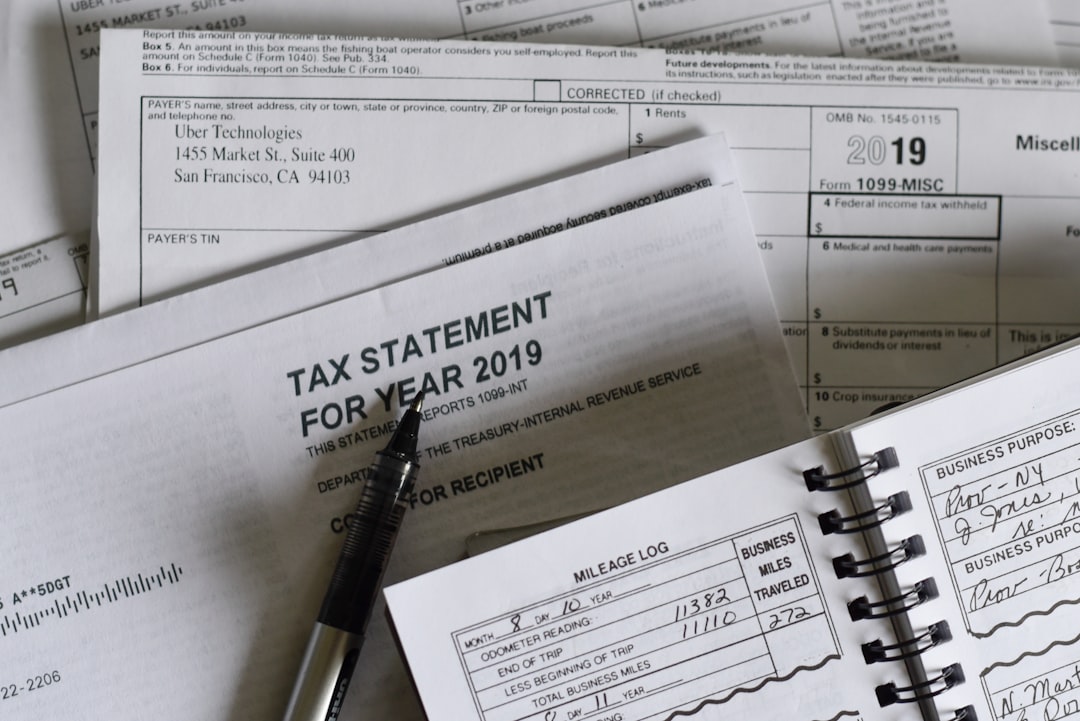
In summary, using AI tools in tax filing presents both opportunities and challenges. While these technologies can streamline processes, the associated risks must be carefully considered. As tax season approaches, staying informed about tax regulations and AI technology will be essential. Taxpayers must understand their responsibilities and ensure their returns are filed accurately and on time. The future of tax filing may see more AI integration, but until accuracy and compliance are guaranteed, traditional methods remain the safest choice for many. It will be interesting to see how regulations adapt to address these challenges and protect taxpayers.
Individual taxpayers should verify their returns thoroughly, engage with tax professionals for guidance, and maintain accurate records of their financial situation to ensure compliance.
Frequently Asked Questions
What are the risks of using AI for tax filing?
Using AI for tax filing can lead to inaccuracies due to the tools’ inability to navigate complex tax regulations. Taxpayers bear full legal responsibility for any errors, which can result in financial penalties.
How can individual taxpayers ensure accuracy in their ITR?
Individual taxpayers should verify their returns thoroughly, engage with tax professionals for guidance, and maintain accurate records of their financial situation to ensure compliance.

What should tax professionals consider when advising clients on AI tools?
Tax professionals should assess the limitations of AI tools, emphasize the importance of human oversight, and provide clients with a clear understanding of their legal responsibilities in tax filing.
Written by Career Ahead AI. AI can make mistakes, so verify key facts. Report errors to support@careeraheadonline.com.