No products in the cart.

Ivy League Degree Fails to Secure Internship
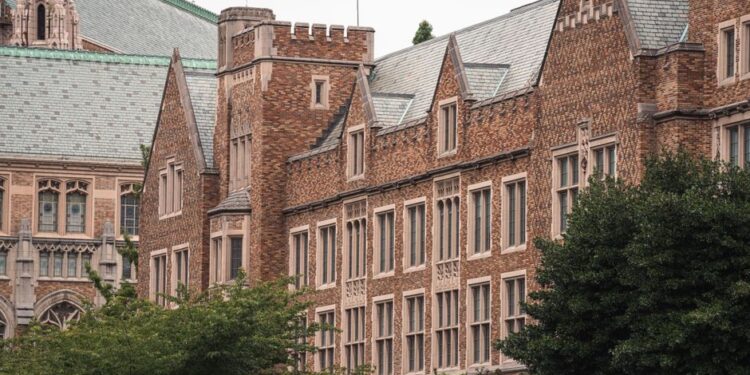
Jasmine Wynn, a Harvard junior, shares her struggles in securing an internship amidst fierce competition, highlighting the evolving challenges even Ivy League students face in today's job market.

Harvard University student Jasmine Wynn has shared her worries about the tough internship landscape. Even Ivy League students now struggle to secure internships. Wynn’s experience shows that finding an internship has become a major challenge. This change in the job market adds uncertainty and financial strain for many graduates.
Wynn, a junior at Harvard, applied for 15 internships and prepared nearly 20 applications. After much effort, she finally landed an unpaid summer position. Her journey highlights the intense competition and long application processes that many students now face. Internships, once seen as stepping stones to jobs, are increasingly hard to obtain, even for elite students.
Intensifying Competition in the Internship Market
The internship landscape has changed a lot in recent years. Wynn noted that many students now face fierce competition. Some internships have acceptance rates as low as 0.008 percent. This statistic shows that even top students struggle to find opportunities.
Career Ahead’s analysis reveals that internship applications have surged, but available positions have not increased. Ivy League students like Wynn now compete against a larger pool of applicants. This trend affects students from all universities, not just Ivy League schools. A report from the Economic Times emphasizes that securing an internship is now a major hurdle for even Ivy League students. It shows that the challenge is not just getting a degree but also landing internships that lead to jobs.
Additionally, the hiring process has become more selective and lengthy. Wynn often faced long waits after submitting applications, frequently receiving rejections instead of interview invites. This trend reflects a shift in employer expectations. They now seek not only academic excellence but also practical experience and networking skills. The Economic Times notes that many graduates experience longer paths to employment, often involving repeated applications and interviews. This adds to the anxiety around the internship search.
They now seek not only academic excellence but also practical experience and networking skills.
You may also like
 Career Guidance
SBI PO Mains Result Timeline and Prep Insights
The SBI PO Mains Result 2026 is anticipated in September or October 2026. Candidates should prepare for the next selection phases while awaiting results.
Read More →Wynn’s story is not unique. Many of her peers at Harvard face similar challenges in securing internships. This shared struggle highlights a larger issue in the job market. Even the most qualified candidates encounter obstacles in their internship pursuits. As competition grows, Ivy League students must adapt to a new reality. Academic pedigree alone is no longer enough. They need to leverage their networks and gain practical experience to stand out.
The financial implications of this shift are significant. Many students, including Wynn, find unpaid internships becoming the norm. This raises concerns about equity and access. Families often see an Ivy League education as an investment. When internship offers do not materialize, it can lead to financial strain and uncertainty. Career Ahead’s findings suggest that reliance on unpaid internships may worsen socioeconomic disparities in the job market.
The Evolution of Employer Expectations
In today’s job market, employers are changing what they want in internship candidates. They no longer hire based solely on academic credentials. Companies now prioritize candidates with a mix of skills, experience, and networking abilities.
Career Ahead’s research shows that many employers seek candidates who demonstrate initiative and practical experience. This trend is especially strong in competitive fields like finance, technology, and consulting. Internships in these areas often lead to full-time job offers. Candidates must have both theoretical knowledge and hands-on experience. The Economic Times also points out that this shift puts more pressure on Ivy League students. They must complement their academic achievements with internships, volunteer work, or freelance projects to stay competitive.
For example, Wynn has been involved in climate policy and sustainable energy advocacy since she was 15. This shows her proactive approach to gaining relevant experience. However, even with such experience, the competition is tough. Lengthy application processes and more interviews make securing internships harder than ever. This evolving landscape requires students to excel academically and actively seek opportunities to develop their skills and expand their networks.
This evolving landscape requires students to excel academically and actively seek opportunities to develop their skills and expand their networks.

The financial pressure from unpaid internships raises questions about the sustainability of this model. As more students pursue internships as a path to employment, reliance on unpaid positions may increase socioeconomic disparities in the job market. The current labor market presents a significant economic challenge, as noted by Wynn. Many graduates find themselves in precarious positions as they navigate these hurdles.
You may also like
 Career Guidance
4,000 Students Connect with 85 Recruiters at AVASAR 2026
The University of Delhi's AVASAR 2026 placement drive will connect over 4,000 students with more than 85 recruiters, underscoring the increasing demand for skilled graduates…
Read More →Wynn’s experience serves as a warning for future students. While Ivy League degrees still hold value, they do not guarantee immediate access to internships or jobs. Students must be resilient and adaptable as they confront the challenges of a competitive job market. As the internship landscape evolves, it raises important questions about the future of work and the pathways available to graduates. Will Ivy League students continue to face these challenges, or will employers start to value diverse experiences and backgrounds in their hiring processes?
As the job market shifts, the experiences of students like Jasmine Wynn show the complexities of securing internships in a competitive environment. The challenges faced by Ivy League students reflect broader trends affecting graduates everywhere. It is crucial for all students to rethink their strategies and approaches to career development.
Frequently Asked Questions
What can Harvard students do to improve their internship prospects?
Harvard students can improve their internship prospects by networking and gaining practical experience in their fields. Engaging in extracurricular activities and seeking mentorship can also provide valuable insights and connections.
Students should develop both hard and soft skills relevant to their industries.
How can Ivy League candidates stand out in a competitive internship market?
To stand out, Ivy League candidates should showcase their unique experiences and skills. Highlighting relevant projects, internships, and volunteer work can help them differentiate from other applicants.

What skills should students focus on to secure internships in their desired field?
Students should develop both hard and soft skills relevant to their industries. This includes technical skills, communication abilities, and problem-solving skills that employers value.
You may also like
 Career Guidance
Gujarat Boosts Teachers with Career Guidance Training
Gujarat has initiated a comprehensive training program for teachers aimed at enhancing their ability to guide students in making informed career choices, addressing a critical…
Read More →