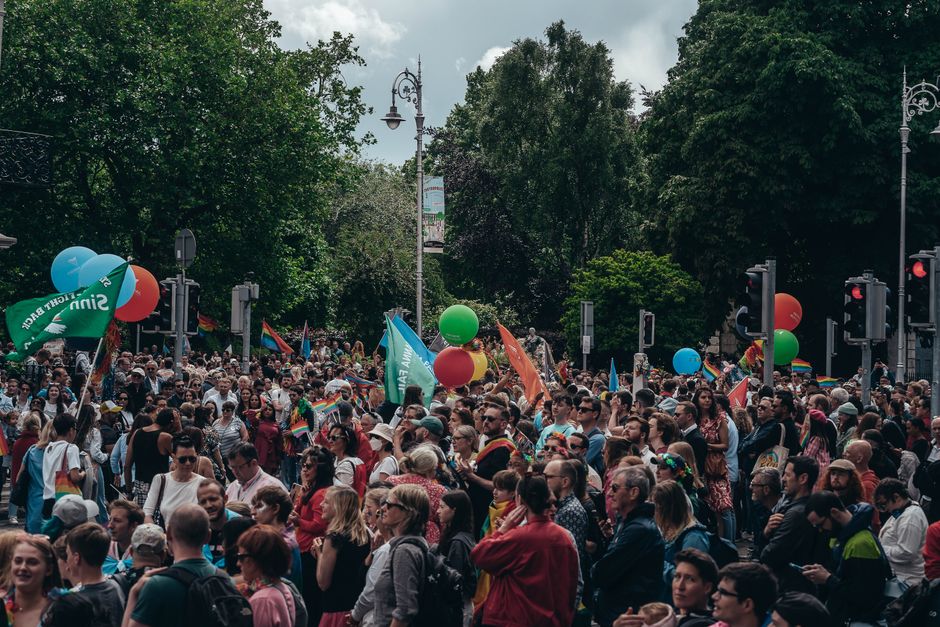
About four hundred people berated Johannesburg’s incumbent mayor, Dada Morero, and City Power executives at a public meeting in Rabie Ridge, with local elections scheduled for 4 November. Up to twenty-nine million South African voters go to the polls for those local elections.
Pollution and water shortages show the strain on local services
At the Jukskei River, rubble and litter choke the banks while foul-smelling brown water flows from a culvert. Semadi Manganye, chief executive of Alexandra Water Warriors, leads an environmental NGO that organises river clean-ups and plants trees along the banks. The group’s work sits alongside the visible pollution it is trying to address.¹
In parts of Melville and Westdene, Kate Spiller, a semi-retired management consultant, said there had been almost no water at all since September. Spiller and her husband drive ten minutes almost daily to a mosque with a borehole, where they fill about a dozen five-litre bottles. Their routine turns a basic household need into a regular trip to collect water.¹
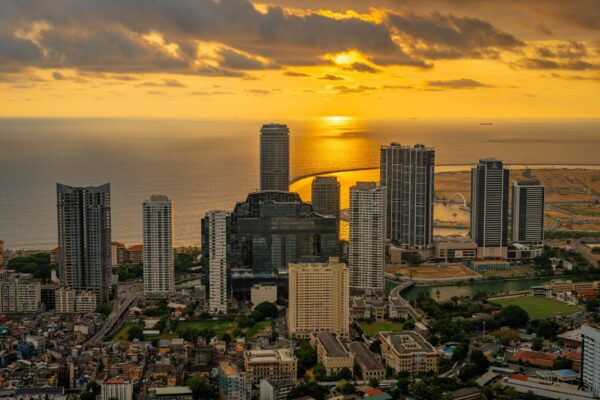
Johannesburg’s population grew by 10% to 4.8 million between the 2011 and 2022 censuses. Authorities have also admitted to an infrastructure spending backlog of 220bn rand (£9.9bn). The population figure records the city’s growth over that period; the backlog is the amount authorities say remains in infrastructure spending.¹
In parts of Melville and Westdene, Kate Spiller, a semi-retired management consultant, said there had been almost no water at all since September.
Residents describe steep energy bills and power cuts
 Government & Policy
Haryana Commission Halts Eleven Power Licence Proceedings
The state cited possible effects on cross-subsidies, existing power-purchase commitments and distribution assets.
Read More →One person said her mother had turned to loan sharks after receiving energy bills as high as 6,000 rand a month. Her mother’s monthly pension was 2,000 rand. The account links a household’s power costs to borrowing: the bills were three times the pension amount, leaving her mother seeking money from lenders.¹
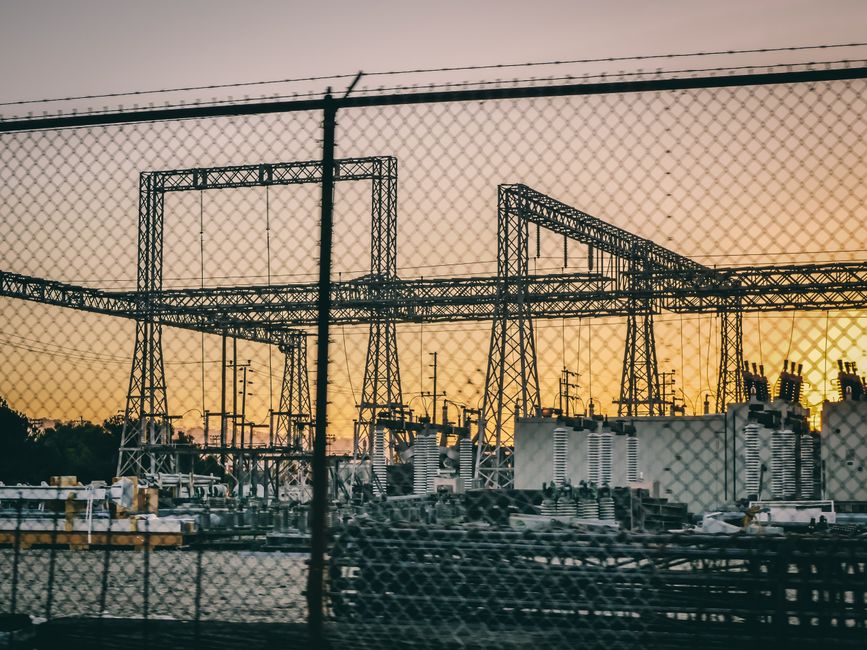
Johannesburg mayor Dada Morero said the city was providing the necessary services to its communities. He acknowledged that parts of the inner city were without power because of a collapsed substation, and blamed vandalism and criminals. His remarks set out the city’s position on service provision while recognising outages and attributing them to damage and crime.¹
Audit results and repeated mayoral changes mark wider governance problems
President Cyril Ramaphosa admitted that too many municipalities were failing to meet the needs and expectations of the people they were meant to serve. In the 2024-25 financial year, only thirty-nine local governments—15% of the total—received a clean audit from the country’s auditor general. The audit figure measures how many local governments cleared that standard in that financial year.¹
Johannesburg has had ten changes of mayor in the past decade. That record places the city’s current mayor within a pattern of frequent turnover in the office. The figure concerns mayoral changes in Johannesburg, while the clean-audit tally covers local governments across the country.¹
Corruption allegations and election polling frame the city contest
An October report by the Global Initiative Against Transnational Organized Crime said governance failure in the city of Johannesburg had given birth to a criminal ecosystem. Rashid Seedat, a former city official, described corruption as spanning the system: “Of course, corruption is the metro police officer taking a bribe of 200 rand [and] a 200m rand tender. It’s across the board and endemic in the entire system and acceptable.”¹
 Government & Policy
Repo Rate Climbs to 5.5%; Rate Cuts Unlikely Soon
The Reserve Bank of India has raised the policy repo rate to 5.5%, marking a shift to 'calibrated tightening' amid rising inflation pressures and global…
Read More →Helen Zille, the seventy-five-year-old former Cape Town mayor leading the Democratic Alliance’s campaign in Johannesburg, has previously caused controversy over tweets in 2017 saying colonialism was not completely negative. In October, the DA polled between 29% and 36%, compared with 22% to 27% for the ANC. Those polling ranges place both parties in the city’s election contest.¹
Audit results and repeated mayoral changes mark wider governance problems President Cyril Ramaphosa admitted that too many municipalities were failing to meet the needs and expectations of the people they were meant to serve.
Weigh Infrastructure Risk in Job Choices
If you are weighing a role in Johannesburg's public sector or utilities, treat the city's 220bn rand infrastructure backlog as a signal of chronic underfunding, not a one-off crisis. A role tied to service delivery may come with high pressure and limited resources, while private-sector work in water or energy efficiency could grow as households and businesses adapt to shortages. Ask about budget stability and project timelines before accepting a post that depends on municipal spending.¹
For workers in affected areas, the cost of unreliable services is a real negotiation factor. A household paying 6,000 rand monthly energy bills on a 2,000 rand pension shows how utility costs can exceed income, so when evaluating a salary, factor in backup expenses like water hauling or generator fuel. Also, with only 15% of local governments passing clean audits, verify an employer's financial health independently, especially if you rely on them for consistent pay or project funding.¹
Sources
Written by Career Ahead AI. AI can make mistakes, so verify key facts. Report errors to support@careeraheadonline.com