No products in the cart.

Karnataka Farmer Wins ITAT Case on Cash Sales Without Expense Records
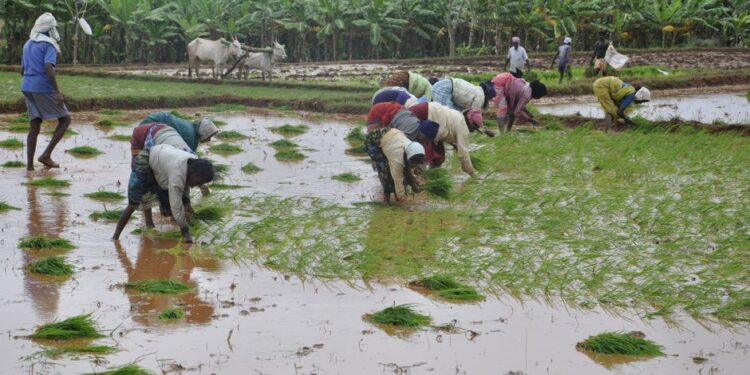
A Karnataka farmer successfully defended cash deposits from agricultural sales in front of the ITAT, despite lacking expense records. This ruling clarifies tax obligations and emphasizes the importance of documentation for farmers.

Karnataka, India — In a landmark ruling, the Income Tax Appellate Tribunal (ITAT) supported a Karnataka farmer, Ramachandrababu. The tribunal ruled in his favor on August 28, 2026, regarding cash deposits from his agricultural sales. This decision is important for farmers in the region. It clarifies how to handle cash sales and their tax implications.
Ramachandrababu deposited large amounts of cash from selling fruits and vegetables into his State Bank of India account. The tax authority initially labeled these deposits as unexplained cash credits under Section 69. They raised concerns because he lacked documented expenses for farming inputs. The ITAT emphasized that the documentation provided by the farmer, including land ownership records and APMC sale bills, was valid evidence of the source of his funds.
Tax Implications for Farmers Amid Cash Sales
This ruling has significant tax implications for farmers in Karnataka. Agricultural income is usually exempt from tax in India, but it must be reported accurately. Farmers like Ramachandrababu often forget to disclose agricultural income, thinking it is exempt. This case shows the need to declare agricultural earnings to avoid future disputes with tax authorities.
Career Ahead’s analysis indicates that the ITAT’s acceptance of Ramachandrababu’s documentation marks a change in how tax authorities may evaluate cash sales. The tribunal noted that while missing expense records usually raise concerns, agricultural operations can be different. This ruling may encourage farmers to keep better records of their sales and understand the importance of documenting expenses, even if they think such records are unnecessary.
The case also highlights the need for agricultural accountants to guide their clients effectively. Accountants play a vital role in advising farmers on the importance of maintaining comprehensive records. They should stress that even though agricultural income is exempt, proper documentation can prevent issues during tax assessments.
As farmers deal with cash sales, they must be aware of potential scrutiny from tax authorities. The ITAT ruling reminds them that clear financial documentation can protect against disputes. This is especially important as technology in agriculture grows, which can help streamline record-keeping.
The case also highlights the need for agricultural accountants to guide their clients effectively.
Importance of Documentation in Agricultural Transactions
The ITAT ruling also underscores the importance of documentation in agricultural transactions. In Ramachandrababu’s case, the tribunal accepted APMC sale bills and bank statements as valid proof of cash deposits. This sets a precedent for future cases where farmers may face similar scrutiny.
Proper documentation helps defend against tax inquiries and is crucial for securing loans and financial support. Financial institutions often require proof of income and expenses for loan applications. Thus, maintaining accurate records can boost a farmer’s credibility and improve their chances of getting necessary funding.
Career Ahead research shows that many farmers underestimate the importance of keeping detailed records. This oversight can lead to significant financial issues, especially during tax audits or loan applications. The ITAT ruling serves as a wake-up call for farmers to prioritize documentation in their operations.

Moreover, the case highlights the need for increased financial literacy among farmers. Educational initiatives focused on tax compliance and record-keeping can empower farmers to manage their finances better. By understanding their legal obligations and the importance of documentation, farmers can avoid disputes and improve their financial stability.
As agricultural practices evolve, technology can help maintain accurate records. Digital tools and applications can simplify tracking sales and expenses, making it easier for farmers to meet tax regulations.
Legal Precedents and Future Implications The ITAT ruling for Ramachandrababu sets a significant legal precedent for farmers in India.
Legal Precedents and Future Implications
The ITAT ruling for Ramachandrababu sets a significant legal precedent for farmers in India. It shows that documentary evidence can outweigh procedural lapses. This is crucial for those who may not keep comprehensive records of their agricultural expenses. This ruling could affect how future cases are handled, especially regarding cash transactions in agriculture.
According to taxcorp.in, accepting APMC sale bills as valid proof of income may lead to a more lenient approach from tax authorities when assessing cash sales. This could encourage farmers to engage in cash transactions without fear, as long as they can provide some documentation.
However, it is essential to note that the ruling does not eliminate the need for proper record-keeping. Farmers must still maintain accurate records of their expenses and sales to protect themselves from audits or disputes. The ITAT’s decision highlights that sufficient evidence can sometimes lessen the impact of missing documentation.

As the agricultural landscape changes, farmers in Karnataka and beyond should stay vigilant about their financial practices. The implications of this ruling may encourage more farmers to adopt transparent practices in their transactions. This could lead to better financial health and compliance with tax regulations.
Looking ahead, it will be interesting to see how this ruling influences farmers in Karnataka regarding cash sales and documentation. Will more farmers use technology to improve their record-keeping? Only time will tell, but the ITAT ruling marks a pivotal moment in the discussion about agricultural taxation and compliance.
Farmers must report agricultural income in their income tax returns, even if it is exempt from tax.
Frequently Asked Questions
What are the tax implications for cash sales in agriculture?
Farmers must report agricultural income in their income tax returns, even if it is exempt from tax. Not disclosing this income can lead to disputes with tax authorities.
How should agricultural accountants advise clients on missing expense records?
Accountants should stress the importance of keeping accurate records of sales and expenses. They can guide clients on how to document their income effectively to avoid scrutiny from tax authorities.

What documentation is necessary for farmers to support cash deposits?
Farmers should keep records like APMC sale bills, bank statements, and land ownership documents. This evidence can protect them during tax assessments.
Written by Career Ahead AI. AI can make mistakes, so verify key facts. Report errors to support@careeraheadonline.com.