No products in the cart.

Karnataka Schools Shut as Rain Fury Hits 20+ Taluks
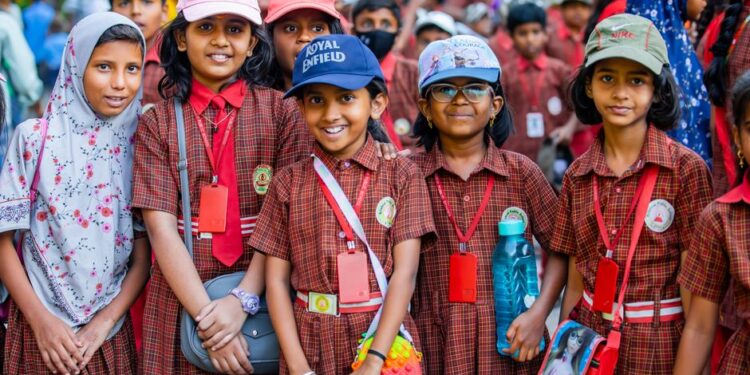
Karnataka has declared a state of emergency due to heavy rainfall, leading to school closures in over 20 taluks. This situation raises serious concerns for student safety and educational continuity, highlighting the need for effective emergency protocols.

Karnataka has declared a state of emergency due to heavy rainfall. This has led to school closures in over 20 taluks across five districts. The India Meteorological Department (IMD) warns of continued severe weather, including thunderstorms and strong winds. This situation raises serious concerns for educators and school administrators about student safety and educational continuity.
The closures affect several districts, including Dakshina Kannada, Kodagu, and parts of Shivamogga and Chikkamagaluru. Schools will remain closed until the weather improves, which may take several days. This unusual weather event highlights the need for effective emergency protocols and contingency plans in education. According to News18, the heavy monsoon rains have put these regions on high alert, stressing the need for schools to adapt quickly.
Understanding the Immediate Impact of School Closures
School closures due to severe weather can have both immediate and long-term effects on student learning and safety. With the current closures in Karnataka, students will miss important instructional time, hindering their academic progress. This disruption is especially concerning for students preparing for exams or those in critical learning stages. The Karnataka State Natural Disaster Management Authority (KSNDMA) urges schools to prioritize student safety, noting that the emotional impacts of closures can be significant. Students may feel anxiety and uncertainty, particularly younger ones who rely heavily on routine.
The psychological effects on students should not be ignored. Prolonged closures can increase feelings of anxiety, especially among younger students. Parents and teachers must work together to support and reassure children during these tough times. Career Ahead’s analysis shows that weather-related school closures have increased over the past decade. This trend highlights the need for schools to create strong emergency plans that address immediate safety and long-term educational strategies. Administrators should consider online learning to lessen the impact of future closures.
Additionally, school closures can strain families, especially those who depend on school meals and childcare. Many parents may struggle to find alternative care for their children, complicating the situation further. Schools must communicate effectively with families about available resources during these closures. Liko reports that the disruption of school services can lead to increased food insecurity among students. It is crucial for schools to partner with local organizations to provide meals and support during emergencies.
Administrators should consider online learning to lessen the impact of future closures.
You may also like
 Education & University Insights
BITS Pilani Names Prof Mohan Krishnamoorthy Director Amaravati
The Amaravati campus aims to build a robust academic and research ecosystem that aligns with industry needs. Prof Krishnamoorthy's extensive background in operations research and…
Read More →As the weather situation evolves, educators must stay informed and prepared. The IMD’s ongoing updates will be vital for planning and decision-making. Schools should also work with local authorities to coordinate responses and ensure student safety.
Administrative Responses to Weather Emergencies
In response to heavy rains and school closures, administrative actions are essential. The Karnataka State Natural Disaster Management Authority (KSNDMA) advises schools to prioritize student safety and follow established weather emergency protocols. This includes monitoring weather updates and informing parents about school status. Proactive measures by school administrators can ease anxiety among parents and students. Transparency about safety measures and reopening plans is crucial for maintaining community trust.
Schools must have clear guidelines for reopening classes once the weather stabilizes. Career Ahead’s research indicates that proactive communication from school administrators can reduce anxiety during emergencies. Furthermore, schools should consider flexible learning options for students who missed classes. This could involve extending school hours or providing online resources. Engaging teachers in developing these strategies will be key to their effectiveness.
Beyond immediate responses, schools must reflect on their long-term preparedness for extreme weather. This includes training staff on emergency protocols and investing in infrastructure that can withstand severe weather. Schools should collaborate with local governments to meet broader community needs during emergencies. As Karnataka faces this challenging weather situation, the focus must remain on upholding educational standards while prioritizing student safety. The actions taken now will set a precedent for how schools handle future weather disruptions.
As Karnataka faces this challenging weather situation, the focus must remain on upholding educational standards while prioritizing student safety.
The recent weather events in Karnataka serve as a wake-up call for the education sector. Schools must adapt to ensure continuity in education. This includes emergency preparedness and integrating climate resilience into school planning. Career Ahead’s analysis highlights the importance of developing adaptive strategies to respond to changing weather patterns. Schools should prioritize training teachers on delivering lessons remotely and creating engaging online content to keep students involved during closures. This proactive approach will help reduce the impact of future disruptions.
You may also like
 Education & University Insights
Sally Yates Leads Inquiry into Cornell’s Title IX Handling
The investigation led by Sally Yates into Cornell's handling of a sexual assault report highlights the need for increased accountability in Title IX processes. Higher…
Read More →Moreover, educators and administrators must advocate for policies that support infrastructure improvements and funding for emergency preparedness. Collaboration with local and state governments will be essential to secure the resources needed to enhance school resilience. As the situation evolves, educators in Karnataka must remain vigilant and adaptable. The lessons learned from this rain emergency can inform future strategies to ensure educational opportunities are not compromised by severe weather.
Ultimately, how schools respond to weather emergencies will significantly impact student outcomes. As Karnataka prepares for future challenges, the focus must be on creating a resilient educational environment that prioritizes both safety and learning.
Frequently Asked Questions
What are the protocols for school closures during severe weather in Karnataka?
Career Ahead’s analysis shows that school closures in Karnataka follow the India Meteorological Department’s warnings and local government directives. Schools must assess safety conditions and inform parents about closures promptly.
Career Ahead research finds that providing supplementary materials and engaging activities helps maintain student learning during disruptions.
How can teachers adapt lesson plans during unexpected school closures?
Teachers can use online platforms to continue lessons during closures. Career Ahead research finds that providing supplementary materials and engaging activities helps maintain student learning during disruptions.

What should school administrators do to ensure student safety during extreme weather events?
School administrators should monitor weather updates, communicate effectively with families, and follow established emergency protocols. Ensuring that students are safe and informed is crucial during severe weather events.
You may also like
 Education & University Insights
French Student Protests Demand Increased Education Funding
The recent student protests in France reflect a growing demand for increased investment in education. These demonstrations signal potential shifts in government priorities regarding teacher…
Read More →