


Bangalore, India — At the EDNXT conference in Bangalore, Khushboo Goel Chowdhary, Karnataka’s Higher Education Secretary, called for a shift in focus within Indian higher education. She emphasized the need for educational institutions to prioritize relevance and adaptability over mere scale. This shift is crucial as students today must be equipped with lifelong learning skills to navigate a rapidly evolving job market. Chowdhary highlighted the importance of AI literacy and strong industry-academia collaboration to develop future-ready talent.
The EDNXT event, hosted by The Economic Times, gathered influential voices from higher education, industry, and government to discuss the future of learning in India. Chowdhary noted that while India has made significant progress in expanding its higher education system, there is an urgent need to ensure that this growth translates into meaningful outcomes for students. She stated, “Employability is not just about immediate job placements; it’s about preparing students for a world where careers are no longer linear and skills are rapidly becoming obsolete.”
She pointed out that many of the jobs students will pursue in the next two decades do not even exist yet. Therefore, higher education must focus on equipping students with the ability to learn, unlearn, and relearn. This capability is essential for lifelong employability in an ever-changing job landscape.
Why Karnataka is Leading the Charge in Edtech
Karnataka has long been recognized as a hub for education in India, home to the highest number of universities across various categories. Chowdhary emphasized that the state’s educational institutions must adapt to meet the demands of the modern workforce. This includes integrating technology into the learning process and ensuring that students acquire relevant skills.
This includes integrating technology into the learning process and ensuring that students acquire relevant skills.
Chowdhary’s remarks come at a time when the role of artificial intelligence in education is becoming increasingly critical. AI is reshaping how work is organized and how value is created. The Secretary stressed that higher education institutions must embrace AI as a present reality, not a future debate. The key question is how to integrate AI meaningfully into curricula and learning experiences.
AI literacy should be considered a foundational competency, alongside critical thinking and problem-solving. Chowdhary warned that if technology is misused or poorly integrated, it could widen gaps in education and lead to misinformation. Therefore, structured and credible learning modules are essential to help students engage with technology responsibly.
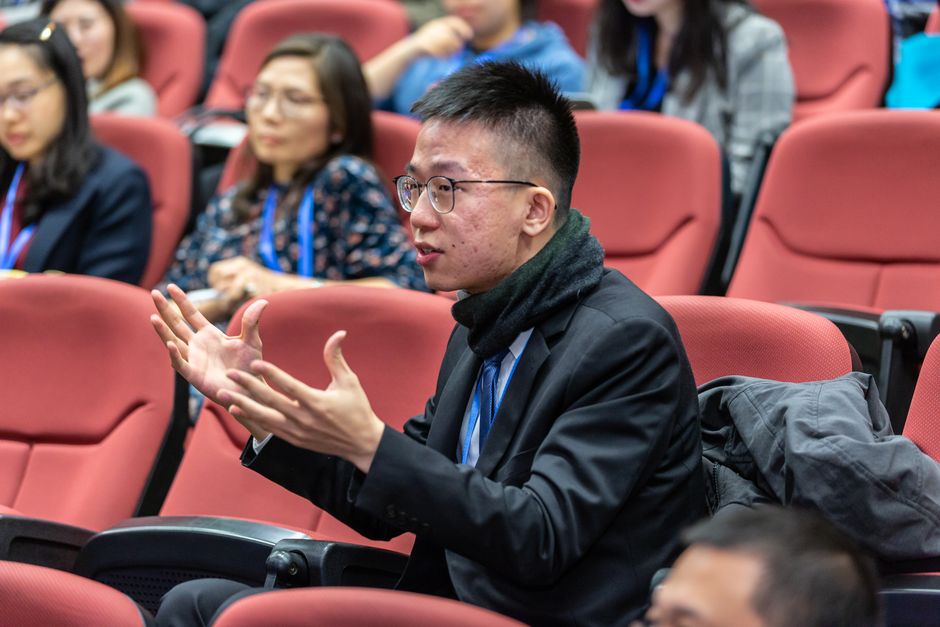 Education & University Insights
India’s Higher Education Agenda Puts Skills, Research and Faculty First
A panel framed the debate around India@2047, while a university chancellor said competitive research ecosystems can take 10–15 years to develop.
Read More →Moreover, Chowdhary highlighted the need for deeper partnerships between industry and academia. She argued that preparing students for the complexities of the job market cannot rest solely on educational institutions or government. Industry must play a significant role in shaping curricula, providing internships, and facilitating real-world problem-solving experiences. This collaborative approach will help ensure that graduates are truly future-ready.
How Edtech Can Enhance Employability in Karnataka
As Karnataka pushes forward with its edtech initiatives, several actionable steps can be taken to enhance employability among graduates:
- Integrate AI into Curricula: Educational institutions should incorporate AI literacy into their programs. This will prepare students for a workforce increasingly influenced by technology.
- Foster Industry Partnerships: Schools and universities must collaborate with businesses to design curricula that reflect current industry needs. This partnership can also include internships and apprenticeships.
- Encourage Lifelong Learning: Institutions should promote a culture of continuous learning, helping students develop skills that will remain relevant in the future job market.
- Focus on Critical Thinking: Emphasizing soft skills such as critical thinking and problem-solving will equip students to tackle unforeseen challenges in their careers.
However, some experts caution that the focus on edtech and AI should not overshadow the importance of traditional learning methods. They argue that while technology can enhance education, it should complement rather than replace foundational teaching practices. A balanced approach is necessary to ensure that students receive a well-rounded education that prepares them for diverse challenges.
The Future of Higher Education in Karnataka
The future of higher education in Karnataka seems poised for transformation. With a strong emphasis on edtech, the state is leading the way in preparing students for the jobs of tomorrow. As the education sector evolves, it will be crucial for institutions to align their offerings with the changing demands of the economy.
Encourage Lifelong Learning: Institutions should promote a culture of continuous learning, helping students develop skills that will remain relevant in the future job market.

As Karnataka seeks to become a global leader in knowledge and innovation, the focus must be on delivering impactful education that equips every student with the skills needed to thrive. The integration of technology, particularly AI, into the educational framework will play a pivotal role in this transition.
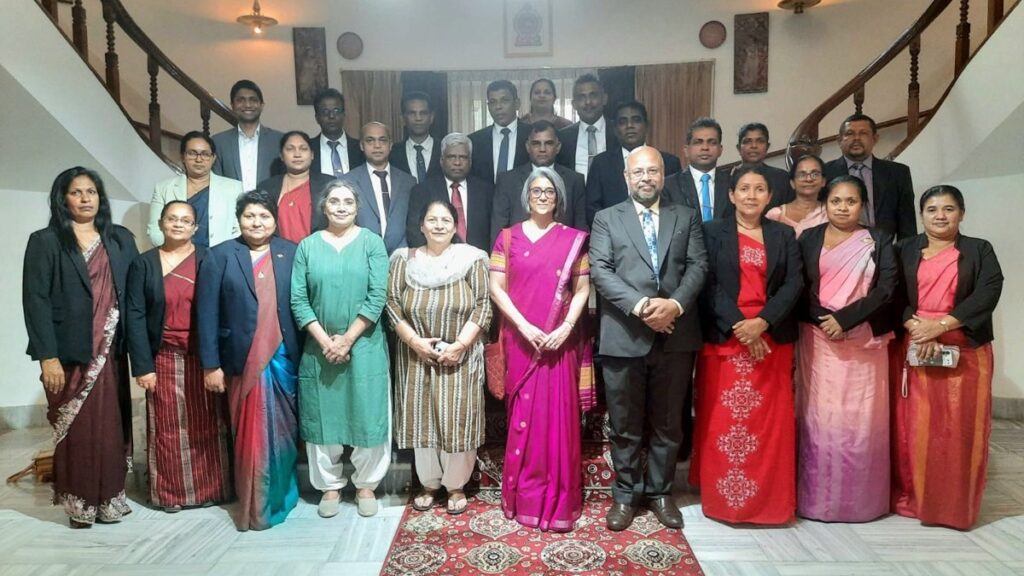 Education & University Insights
Sri Lanka High Commission Builds Education and Youth Bridges with India
Twenty Sri Lankan education administrators trained at NIEPA in New Delhi, while young leaders from six South Asian nations met at the Sri Lanka High…
Read More →As we look ahead, how can students and educators alike leverage these insights to prepare for a future where adaptability and continuous learning are key to success?
Written by Career Ahead AI. AI can make mistakes, so verify key facts. Report errors to support@careeraheadonline.com.





