No products in the cart.

Key App Developers Hesitant to Adopt Apple’s New Siri AI
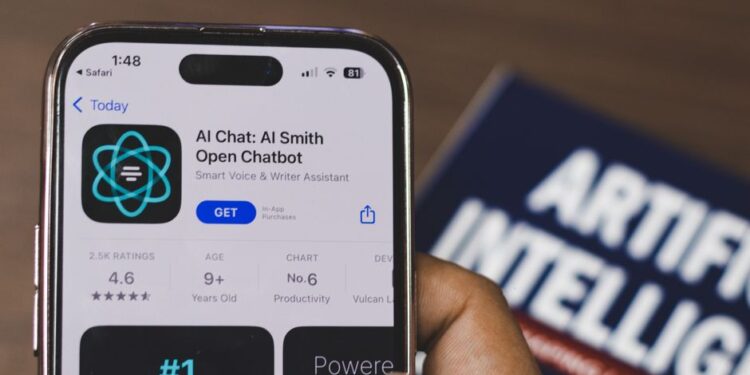
Apple's new Siri AI has not gained traction among key app developers, raising concerns over app functionality and indicating a skill gap in voice AI expertise. This hesitance may affect the competitive landscape for voice assistant technologies.

Key app developers have been slow to embrace Apple’s new Siri AI, announced in September 2026. This hesitance could hurt app functionality and user experience, as developers often prioritize compatibility with existing technologies over adopting new innovations.
Integrating Siri AI into mobile applications is crucial for improving user interaction. However, many developers struggle to adapt to the new APIs from Apple. This reluctance raises concerns about the future of voice assistant technologies in app development.
Impact on App Functionality
The slow adoption of Siri AI is already affecting many applications. Numerous mobile apps rely on voice interactions to boost user engagement and accessibility. Without Siri AI, these apps may not provide a seamless user experience.
Apple’s new AI frameworks include advanced APIs for voice recognition and processing, designed to enhance app capabilities. Yet, many developers hesitate to implement them, fearing compatibility issues with existing systems. As a result, many apps miss out on the full potential of Siri AI, leading to a less competitive product landscape.
Research indicates that apps not integrating Siri AI may struggle to retain users. The market is increasingly dominated by advanced voice functionalities, and users expect intuitive voice interactions. Apps failing to meet these expectations may see a decline in usage, highlighting the need to adopt new technologies to stay relevant.
Moreover, slow adoption of Siri AI could widen the gap between developers who embrace innovation and those who do not. Companies that fail to adapt may fall behind, while others could leverage Siri AI’s capabilities to create more engaging and user-friendly applications.
Skill Gaps in Voice AI Development The hesitance to adopt Siri AI also reveals a broader issue: a skill gap in voice AI development.
Skill Gaps in Voice AI Development
The hesitance to adopt Siri AI also reveals a broader issue: a skill gap in voice AI development. Many mobile app developers lack the expertise to integrate advanced voice functionalities effectively. This gap is evident in their reluctance to use new frameworks and tools from Apple.
Data from developer.apple.com shows that the new Siri AI features require specific knowledge in AI model integration and voice processing. Many developers lack these skills, leading to hesitance in adopting the technology. This lack of expertise could stagnate innovation in the app development community.
You may also like
 AI & Technology
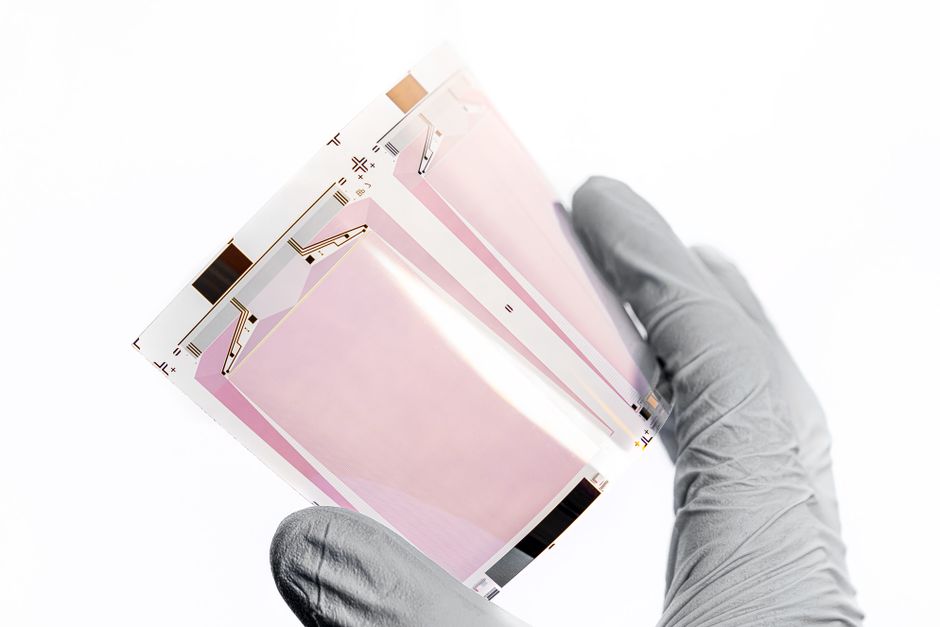
OLED MacBook Pro Design Revolution Under John Ternus
This development is particularly relevant for product designers and hardware engineers in the tech industry. The introduction of touch-screen OLED technology not only enhances the…
Read More →As demand for voice-enabled applications grows, developers who do not upskill may be sidelined. The market is shifting toward more interactive and intelligent applications, and those without the skills to implement these technologies will struggle to stay competitive.

Furthermore, the need for training programs and resources to bridge this skill gap is urgent. Developers must invest in learning about voice AI and how to integrate it effectively. Without this knowledge, the potential of Siri AI and similar technologies will remain untapped.
Developers must invest in learning about voice AI and how to integrate it effectively.
Market Competition Among Voice Assistants
The current landscape of voice assistant technologies is highly competitive, with several players vying for dominance. While Apple’s Siri AI offers robust features, developers also consider alternatives like Google Assistant and Amazon Alexa. Hesitance to adopt Siri AI may stem from concerns about being locked into a specific ecosystem.
As developers weigh their options, they may choose technologies that offer broader compatibility across platforms. This decision can hinder Siri AI’s adoption, as developers prioritize flexibility and ease of integration over advanced features.
This trend could lead to a fragmented market, where no single voice assistant technology emerges as the clear leader. Developers might continue to create applications that support multiple voice assistants, diluting Siri AI’s potential impact.
Moreover, competition among voice assistant technologies highlights the need for Apple to address developers’ concerns. By providing clearer guidelines and support for integrating Siri AI, Apple could encourage more developers to adopt the technology and enhance the overall app ecosystem.
Future Considerations for Siri AI
The ongoing hesitance among app developers to embrace Siri AI raises important questions about the future of voice interaction in mobile applications. Will Apple successfully address the skill gaps and integration challenges developers face? Or will competing voice technologies overshadow Siri AI, limiting its impact on app development?
Will Apple successfully address the skill gaps and integration challenges developers face?
Frequently Asked Questions
How can mobile app developers leverage Siri AI features?
Mobile app developers can leverage Siri AI features by integrating Apple’s new APIs for voice recognition and processing. These tools can enhance user engagement and accessibility when implemented correctly.
You may also like
 AI & Technology
Musk Renames SpaceXAI to SpaceXSI Amid Super Intelligence Buzz
This shift shows a growing trend in tech towards integrating superintelligence into various applications, especially in aerospace. The new terminology marks a significant change from…
Read More →
What challenges do voice assistant engineers face with Siri’s new AI?
Voice assistant engineers face challenges such as needing specialized knowledge in AI model integration and concerns about compatibility with existing systems. This has led to hesitance in adopting Siri AI.
What should mobile app developers do to stay competitive with Siri’s advancements?
To stay competitive, mobile app developers should invest in learning about voice AI. Seeking training resources to bridge skill gaps is crucial. Understanding how to integrate Siri AI effectively will help maintain relevance in the market.