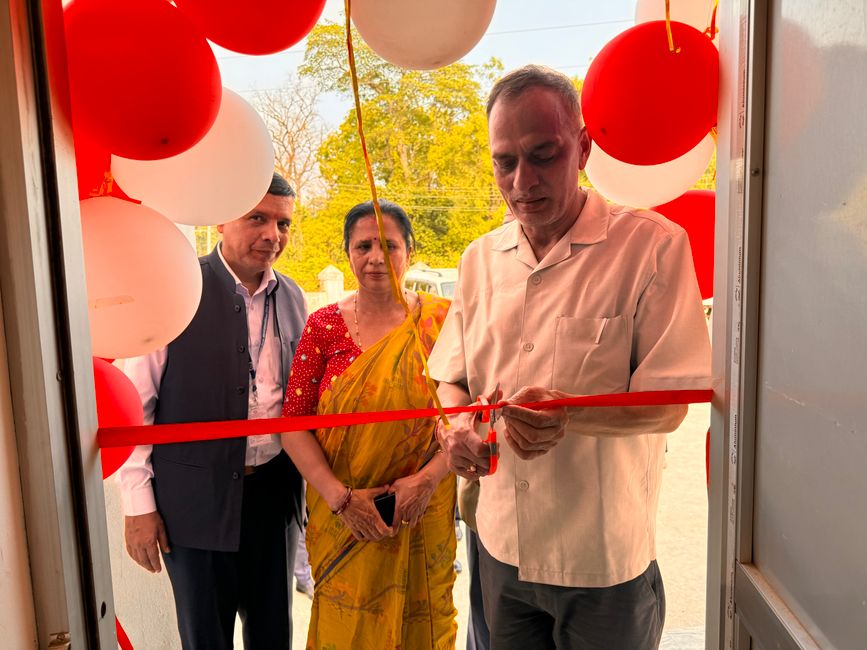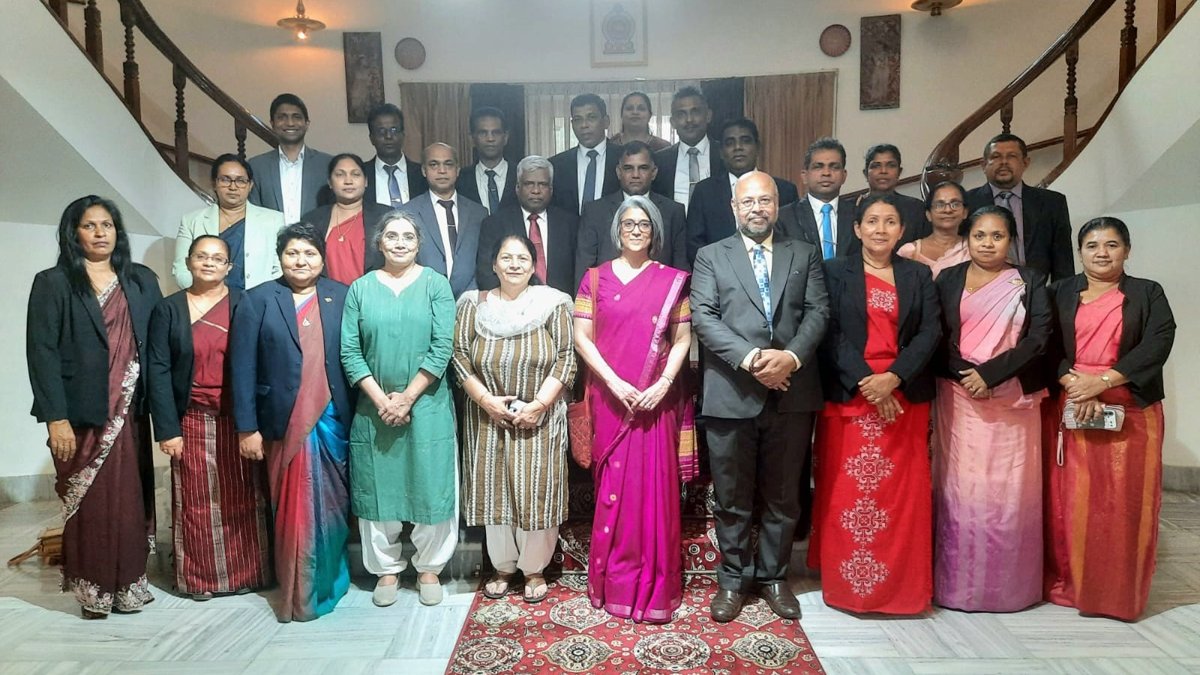
Pune, India — DES Pune University has recently inaugurated a new academic complex, marking a significant milestone in its leadership under Prof Dr Ravindra Acharya and Dr Rajesh Ingle. This event, which took place earlier this year, underscores the university’s dedication to innovation and modernization in education.
The university is placing a strong emphasis on interdisciplinary research and a robust academic framework aimed at enhancing its educational offerings. The inauguration was attended by Maharashtra’s Minister of Higher and Technical Education, Chandrakant Dada Patil, highlighting its importance in the regional education landscape.
Innovative Leadership Strategies at DES Pune University
Prof Dr Ravindra Acharya, the President, and Dr Rajesh Ingle, the Vice-Chancellor, are implementing leadership strategies that effectively blend tradition with innovation. Their approach seeks to preserve the university’s rich academic legacy while addressing the evolving needs of students and the job market.
A notable initiative is the establishment of the Centre for Interdisciplinary, Integrated and Applied Research (CIIAR). This center fosters collaboration among various academic disciplines, aiming to bridge the gap between theoretical research and practical application. This initiative aligns with findings from educational research emphasizing the need for modern educational frameworks.
The recent partnership with Fergusson College to create a collaborative research center further exemplifies the university’s commitment to innovation. Such partnerships not only enhance research capabilities but also provide students with valuable real-world exposure, effectively preparing them for the job market.
By linking research with curriculum development, DES Pune University positions itself as a leader in higher education innovation, which is essential in today’s competitive landscape.
Research indicates that these leadership initiatives are crucial for transforming academic practices. By linking research with curriculum development, DES Pune University positions itself as a leader in higher education innovation, which is essential in today’s competitive landscape.
Transforming Curriculum Development through Innovation
Innovation in curriculum development is a primary focus at DES Pune University. The recent opening of the School of Science and Mathematics, which includes an Advanced Research Centre for Ecology and Conservation, exemplifies this commitment. This facility supports cutting-edge research and provides students with hands-on learning experiences.
The university emphasizes data-driven decision-making and technology-assisted processes in its curriculum design. These practices are not merely theoretical; they directly influence course design and student evaluations. This analytical approach is vital in light of the rapid changes in the job market and the evolving skills that employers require.
Moreover, the university prioritizes cross-disciplinary exposure in its diverse academic offerings. By focusing on breadth rather than specialization, DES Pune University aims to deliver a well-rounded education that fosters critical thinking and adaptability. This approach is supported by research highlighting the importance of interdisciplinary education in preparing students for future challenges.
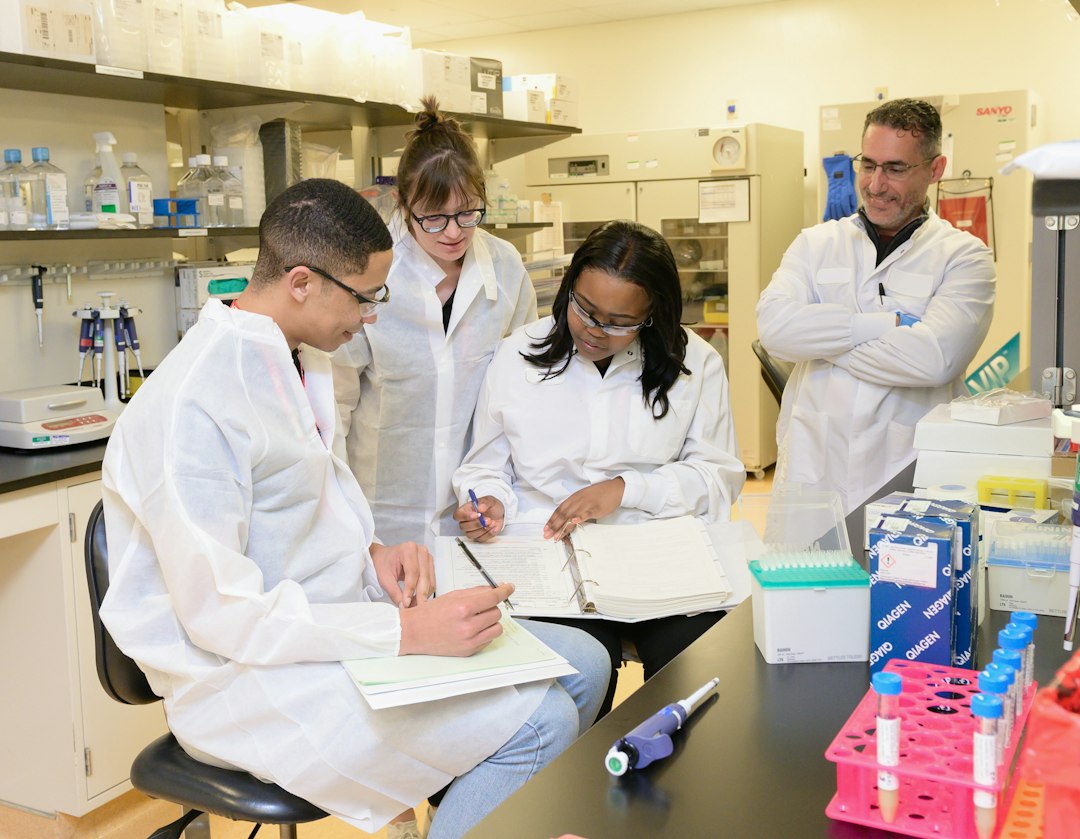
These innovations are reflected in the university’s ongoing projects. For instance, research grants and funding for student-led initiatives support innovative ideas, creating a vibrant academic environment that encourages creativity and exploration.
Broader Implications for Higher Education The leadership changes and innovative strategies at DES Pune University may signal a broader trend in higher education across India and beyond.
Broader Implications for Higher Education
The leadership changes and innovative strategies at DES Pune University may signal a broader trend in higher education across India and beyond. As universities confront modern educational challenges, there is an increasing need to balance tradition with innovation.
Analysis suggests that institutions embracing this dual focus are more likely to attract students and faculty while effectively meeting job market demands. The emphasis on research and interdisciplinary collaboration at DES Pune University serves as a model for other universities seeking to enhance their academic offerings.
Furthermore, the integration of technology in education is becoming increasingly important. Technology-assisted processes can significantly improve learning outcomes and student engagement, a trend that is likely to persist as educational institutions strive for more interactive learning environments.
As developments at DES Pune University unfold, they raise critical questions about how other institutions will respond. Will they adopt similar innovative strategies, or will they continue to adhere to traditional models? The future of higher education may hinge on institutions’ ability to adapt and innovate in response to societal needs.
Frequently Asked Questions
What are the leadership strategies at DES Pune University?
Leadership at DES Pune University focuses on balancing tradition with innovation. Prof Dr Ravindra Acharya and Dr Rajesh Ingle emphasize interdisciplinary research and collaborative initiatives to enhance academic offerings.
Emphasizing research and technology integration is crucial for enhancing student outcomes and maintaining institutional relevance.
How is innovation being integrated into higher education?
Innovation is integrated through the establishment of interdisciplinary research centers and technology-assisted processes in curriculum development. These initiatives prepare students for the demands of the modern job market.

What should higher education administrators consider when implementing new academic structures?
Administrators should prioritize collaboration and interdisciplinary approaches. Emphasizing research and technology integration is crucial for enhancing student outcomes and maintaining institutional relevance.
Written by Career Ahead AI. AI can make mistakes, so verify key facts. Report errors to support@careeraheadonline.com.