No products in the cart.

Level 15-18 Employees Eye ₹1.93 Lakh Monthly HRA
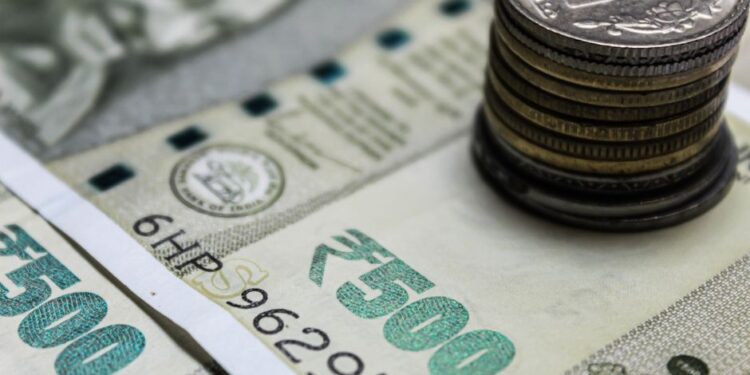
The proposed increase in House Rent Allowance (HRA) for Level 15-18 central government employees could significantly enhance financial stability for nearly 1 crore workers, reflecting the government's commitment to improving employee compensation amidst rising living costs.

India — The 8th Pay Commission has put forth a proposal that could lead to a substantial increase in House Rent Allowance (HRA) for Level 15-18 central government employees. If the fitment factor of 2.57 is approved, employees may see their monthly HRA rise to ₹1.93 lakh. This potential change is expected to have a significant impact on the salary structures of many government workers, affecting nearly 1 crore employees across the nation.
Established on November 3, 2025, the 8th Pay Commission is tasked with reviewing salary structures and allowances for central government employees. The approval of the 2.57 fitment factor would trigger a revision of the basic pay, which in turn would affect HRA calculations. This adjustment is particularly crucial for employees in metropolitan areas, where living costs are notably high. According to reports, the proposed increase in HRA could greatly enhance the financial well-being of government employees, demonstrating the government’s commitment to improving employee compensation in light of rising living expenses.
Understanding the Fitment Factor
The fitment factor serves as a critical multiplier in determining the revised basic pay for government employees. Currently set at 2.57 for Levels 15-18, this factor directly influences the HRA received, as HRA is calculated as a percentage of the basic pay. For instance, Level 15 employees with a current basic pay of ₹1,82,600 could experience a significant increase in their revised basic pay, leading to a boost in HRA. Under the proposed fitment factor, Level 15 employees could see their monthly HRA rise to ₹1,09,560 in X-category cities, ₹73,040 in Y-category cities, and ₹36,520 in Z-category cities. This increase represents a substantial financial benefit, particularly for those residing in high-cost urban areas.
Moreover, Level 16 employees could see their HRA increase to ₹1,58,360 in X-category cities. This ripple effect across various levels of government employment underscores the broader implications of the 8th Pay Commission’s recommendations. As reported by various news outlets, potential adjustments in HRA are part of a larger dialogue on ensuring that government salaries remain competitive and reflective of the current economic climate. As the commission continues its consultations and prepares its final recommendations, anticipation among employees is palpable. A higher HRA could enhance morale and productivity among government workers, alleviating financial pressures.
With greater financial flexibility, employees are likely to invest in housing, education, and healthcare, contributing to overall economic growth.
Economic and Social Implications
The proposed increase in HRA for Level 15-18 employees carries significant economic implications. An increase in disposable income for government employees could lead to heightened consumer spending, thereby stimulating local economies. With greater financial flexibility, employees are likely to invest in housing, education, and healthcare, contributing to overall economic growth. This uptick in spending could substantially boost demand for goods and services, supporting local businesses and creating jobs.
You may also like
 Government & Policy
Govt Launches Cross-Border E-Commerce Export Framework
The new inventory-based cross-border e-commerce export framework, operational since August 5, 2026, aims to enhance India's export capabilities through e-commerce, as part of the Foreign…
Read More →Furthermore, the revised HRA structure may prompt private sector companies to reassess their compensation packages. As government salaries become more competitive, private firms may need to enhance their offerings to attract and retain talent. This could create a ripple effect across various sectors, benefiting a larger workforce. The 8th Pay Commission’s recommendations may also influence policy discussions on employee benefits and compensation structures in India. As the government seeks to provide better financial support to its employees, this could lead to a re-evaluation of existing policies governing salary structures.
However, the actual implementation of these changes hinges on government decisions. The final recommendations from the 8th Pay Commission are anticipated by mid-2027, leaving room for further negotiations and adjustments based on feedback. As discussions surrounding the 8th Pay Commission progress, the question remains: how will the final recommendations shape the future of government employment in India? The anticipated changes could redefine salary structures and influence the broader economic landscape.
In this context, employees should remain informed about ongoing discussions and potential changes. Understanding the implications of the fitment factor and HRA revisions will empower them to negotiate their compensation packages effectively in the future.
Frequently Asked Questions
What is the new HRA for Level 15 employees?
If the 2.57 fitment factor is approved, Level 15 employees could see their monthly HRA increase to ₹1,09,560 in X-category cities.
Understanding the implications of the fitment factor and HRA revisions will empower them to negotiate their compensation packages effectively in the future.
How does the fitment factor affect my salary?
The fitment factor is a multiplier that determines the revised basic pay for employees. A higher fitment factor leads to a higher basic pay, which subsequently increases the HRA amount.

What should Level 16 employees do to prepare for potential changes in HRA?
Level 16 employees should stay informed about the ongoing discussions regarding the 8th Pay Commission and consider how potential increases in HRA could impact their financial planning.
You may also like
 Government & Policy
OpenAI pays $3.2m to settle claims it discriminated against US workers
OpenAI has agreed to pay $3.2 million to settle claims of discrimination against US workers, following allegations from the Justice Department regarding unfair hiring practices.
Read More →