No products in the cart.

Liberty Steel’s Cash Crisis Threatens Royal Navy Shipbuilding
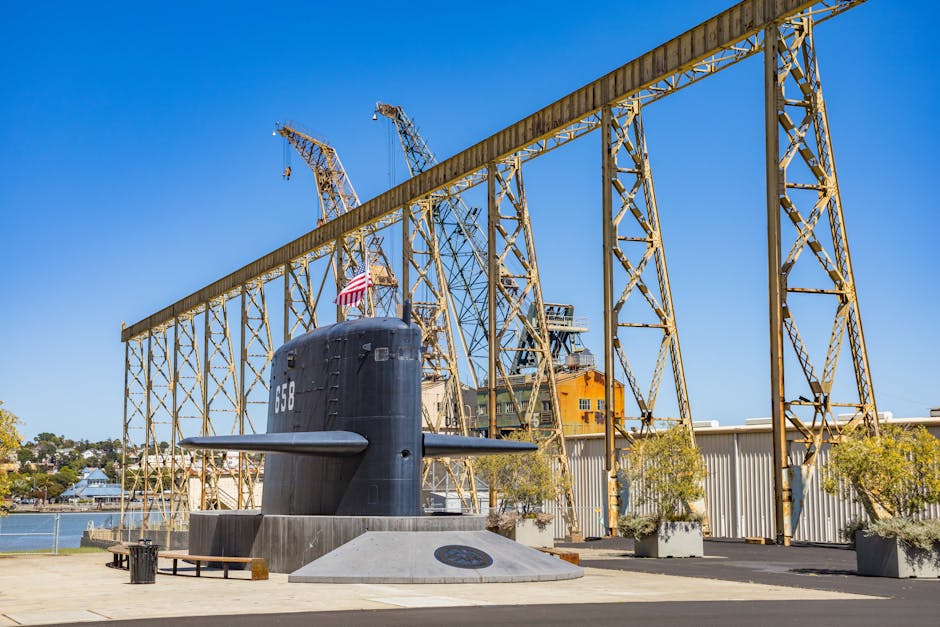
Liberty Steel's cash shortage is causing significant delays in the Royal Navy's shipbuilding projects, raising concerns about future naval capabilities.

Glasgow, Scotland — The Royal Navy faces an uncertain future as its shipbuilding plans are put on hold due to a cash shortage at Liberty Steel’s Dalzell plant. This situation has raised alarm among industry experts and government officials alike, as the plant is crucial for producing steel needed to construct three new fleet solid support ships. With the UK government under pressure to intervene, the implications for the Royal Navy and the UK’s defense capabilities are significant.
Liberty Steel, owned by Sanjeev Gupta, has struggled financially since the collapse of Greensill Capital in 2021. The Dalzell plant, which has not filed accounts for five years, is unable to procure the necessary steel slabs for production, despite an order for 34,000 tonnes to fulfill the Royal Navy’s contract. This predicament has left shipbuilders in limbo, waiting for the cash flow to resume operations.
Industry insiders indicate that the situation is dire. Sir David Murray, a Scottish businessman, has called for government intervention, suggesting that the UK should take control of the plant to ensure it can meet production demands. Murray believes that with a £50 million investment, the Dalzell plant could become profitable within two years. He has previously expressed interest in running the plant himself, emphasizing the need for the UK to rely less on imports and bolster domestic manufacturing capabilities.
The Impact of Liberty Steel’s Financial Woes on Royal Navy Shipbuilding
The inability of Liberty Steel to produce the required steel has immediate ramifications for the Royal Navy’s shipbuilding schedule. The fleet solid support ships are essential for supporting naval operations, carrying munitions, food, and other supplies. Delays in their construction could affect the Royal Navy’s operational readiness and long-term strategic plans.
 Artificial Intelligence
The Rise of AI in Social Media: Transforming Engagement
AI is reshaping social media engagement, offering businesses new ways to connect with audiences. Explore the implications and future trends.
Read More →Sir David Murray, a Scottish businessman, has called for government intervention, suggesting that the UK should take control of the plant to ensure it can meet production demands.
According to reports, the first of these ships, RFA Resurgent, is slated for delivery in 2031. However, with the current production halt, there is growing skepticism about whether this timeline can be met. The Royal Navy had intended to secure employment and utilize UK suppliers for this project, making the situation even more critical for local economies reliant on defense contracts.
Liberty Steel’s spokesperson has stated that trial production runs are expected to resume shortly, but industry experts remain doubtful. The plant has only managed to process about 1,000 tonnes of steel in recent months, a fraction of what is needed to fulfill the contract. The ongoing financial instability raises questions about the plant’s future and its ability to meet the demands of the Royal Navy.
Additionally, the UK government’s previous support for Liberty Steel raises concerns about the sustainability of such interventions. The government has already spent £274 million to prop up British Steel, which was taken over from its Chinese owners last year. With taxpayer money at stake, there is pressure to ensure that any future investments yield tangible results.
What You Can Do to Stay Informed and Prepared
As the situation evolves, it is essential for those in the defense and manufacturing sectors to stay informed about developments at Liberty Steel and the Royal Navy. Here are some actionable steps you can take:
 Current Affairs
63% of Pakistan’s Youth Never Went to School: A Crisis Unfolding
A staggering 63% of Pakistan's youth have never received formal education, highlighting a significant crisis affecting their future opportunities.
Read More →- Monitor news updates: Regularly check reliable news sources for updates on Liberty Steel’s financial status and the Royal Navy’s shipbuilding progress.
- Engage with industry forums: Join discussions in industry-specific forums or LinkedIn groups to share insights and gather information from peers about potential impacts on job security and contracts.
- Consider upskilling: With uncertainty in the industry, consider investing in skills that are in demand. Courses in project management, supply chain logistics, or advanced manufacturing can enhance your employability.
However, experts warn that this trend may not be sustainable. A recent analysis suggests that while government intervention can provide temporary relief, it does not address the underlying issues of financial mismanagement and operational inefficiencies at Liberty Steel. Long-term solutions will require a fundamental restructuring of the business model.
What You Can Do to Stay Informed and Prepared As the situation evolves, it is essential for those in the defense and manufacturing sectors to stay informed about developments at Liberty Steel and the Royal Navy.
The Future of Naval Shipbuilding Amid Financial Uncertainty
The future of naval shipbuilding in the UK is precarious as Liberty Steel’s financial troubles continue to unfold. With the Royal Navy relying heavily on domestic suppliers for critical materials, the cash crisis at the Dalzell plant could lead to a reevaluation of supply chain strategies. The need for a robust and reliable domestic steel industry is more pressing than ever.
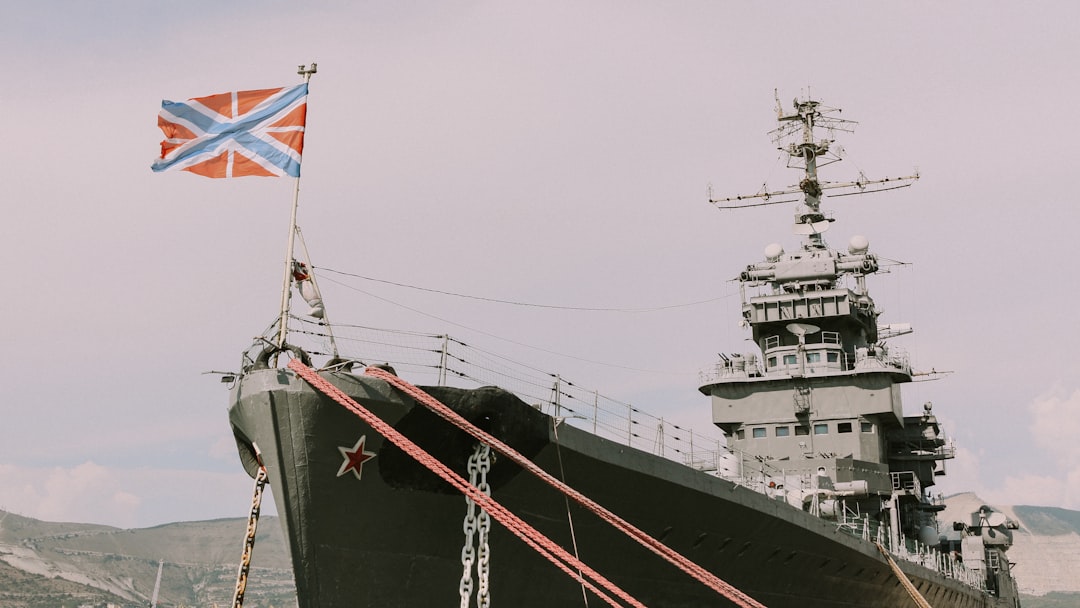
As the UK navigates these challenges, the government must weigh the potential benefits of intervention against the risks of further financial support without accountability. The decisions made in the coming months will not only affect the Royal Navy’s shipbuilding schedules but also the broader landscape of the UK steel industry.
Will the UK government step in decisively to secure the future of its naval capabilities, or will this situation lead to a more profound crisis in defense manufacturing?
 Career Options
Global Education Trends: The Rise of International Study Programs
International education is evolving, with global degrees and study abroad programs gaining traction. Discover how these trends are shaping the…
Read More →