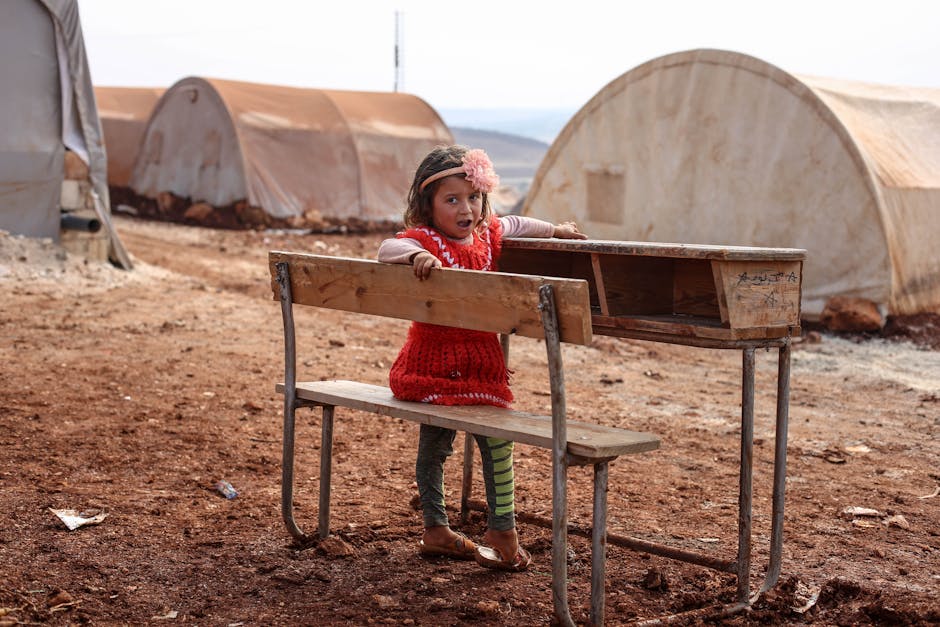
New Delhi, India — A staggering 63% of Pakistan’s youth population has never received formal education, according to the latest Census 2023 data. This alarming statistic reveals a deep-rooted crisis that threatens the future of millions of young people in Pakistan. The implications are profound, not just for individual lives but for the entire nation’s progress. As the country grapples with economic challenges, the lack of education among its youth could hinder growth and development.
The data shows that 23% of adolescents in Pakistan are out of school, a group often referred to as out-of-school adolescents and youth (OOSAY). This demographic remains one of the most neglected in policy planning, with experts warning that their exclusion from education leads to lifelong disadvantages in employment, healthcare, and civic participation. The situation is particularly dire for young women, with nearly three out of four females aged 15 to 29 never having enrolled in school, compared to about half of their male counterparts.
Financial hardship is cited as the primary reason for this educational crisis. A recent needs assessment conducted by the Sustainable Development Policy Institute in collaboration with UNFPA highlights that nearly three-quarters of young people face financial barriers that prevent them from attending school. Household responsibilities, work pressures, and unsafe travel conditions further exacerbate the problem, especially for girls. Early marriage and societal norms restrict girls’ access to education, leaving them with limited opportunities.
Understanding the Gender Disparity in Education
The gender gap in education is stark. While many boys are pushed into low-paid labor to support their families, girls are often burdened with unpaid domestic work. Over 85% of female OOSAY spend most of their day on household chores, leaving little time for education or paid employment. This imbalance not only affects their immediate prospects but also perpetuates cycles of poverty and inequality.
A recent needs assessment conducted by the Sustainable Development Policy Institute in collaboration with UNFPA highlights that nearly three-quarters of young people face financial barriers that prevent them from attending school.
According to the report, nearly two-thirds of male respondents felt pressure to earn from a young age, which leads them to drop out of school. In contrast, girls face the dual challenge of domestic responsibilities and societal expectations, making it even harder for them to pursue education. The median marriage age for girls in this study was found to be just 18 years, which further limits their educational opportunities.
 Education & University Insights
BITS Design School Opens 2027 BDes Applications
Applicants can qualify through BITSDAT, UCEED or NID DAT Prelims; BITSDAT remains mandatory, with test slots from March 29 to April 5, 2027.
Read More →The lack of education severely impacts employment prospects for OOSAY. Almost three-quarters of these young individuals reported having no access to paid work, with the majority of those who do work being in unstable and informal jobs. Many earn less than Rs 25,000 a month despite long hours, lacking job security and opportunities for skill development. This precarious situation highlights the urgent need for targeted interventions to support education and employment for these marginalized groups.
Strategies for Improving Education Access
To address this crisis, several actionable steps can be taken. First, initiatives must focus on creating awareness about the importance of education, particularly for girls. Communities should be engaged to change perceptions around female education and the value it brings to families and society.
- Implement Financial Support Programs: Governments and NGOs can create scholarships or financial aid programs to assist families in sending their children to school. This could significantly reduce the financial burden that prevents many from enrolling.
- Enhance Accessibility: Building more schools in remote areas and providing safe transportation options can help increase enrollment rates. Ensuring that schools are within a reasonable distance can alleviate travel fears, especially for girls.
- Develop Vocational Training Programs: Establishing vocational and skills training programs can provide alternatives for those unable to attend traditional schools. These programs should be tailored to meet the needs of the local job market.
However, experts caution that simply increasing enrollment numbers is not enough. They argue that without a focus on quality education, the cycle of poverty and exclusion will continue. A recent report from the World Bank emphasizes the need for educational reforms that improve learning outcomes and not just access.
The Future of Education in Pakistan
The future of education in Pakistan hinges on addressing these systemic issues. As the country moves forward, it must prioritize educational reforms that ensure inclusivity and quality. Policymakers need to create frameworks that not only focus on enrollment but also on the quality of education provided.
A recent report from the World Bank emphasizes the need for educational reforms that improve learning outcomes and not just access.
In light of these challenges, will Pakistan rise to the occasion and invest in its youth? The potential for a brighter future lies in the hands of the next generation, but they need the tools and opportunities to succeed. The time to act is now, and the world is watching.
Written by Career Ahead AI. AI can make mistakes, so verify key facts. Report errors to support@careeraheadonline.com.