No products in the cart.

Lime Pursues IPO, Expanding Micromobility Market
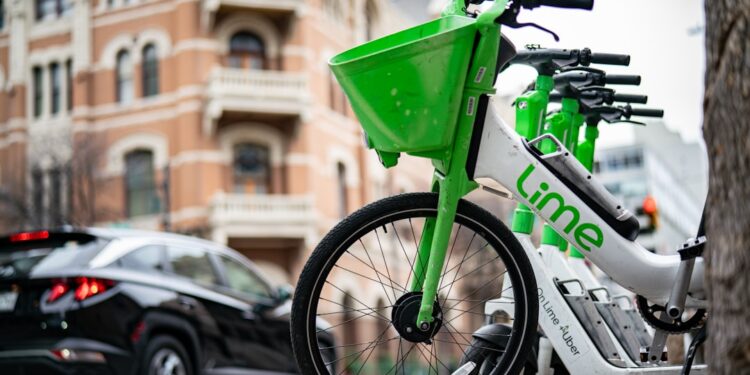
Lime's recent IPO filing signals a pivotal moment for the micromobility industry. This deep dive explores the implications of Lime's growth, financial challenges, and future outlook.

Navigating the IPO Landscape
Lime, the Uber-backed micromobility company, recently filed for an initial public offering (IPO), aiming to list on Nasdaq under the ticker symbol “LIME.” This move comes after years of speculation about the company’s financial health and market position. Lime’s decision to go public reflects both its ambitions and the challenges it faces in a competitive landscape.
The micromobility sector has seen significant growth in recent years, driven by increasing urban congestion and a shift towards sustainable transportation options. Companies like Lime have emerged as key players, offering electric scooters and bikes as alternatives to traditional transport. However, despite its growth, Lime has faced financial challenges, raising concerns about its long-term viability.
Financial Insights and Market Dynamics
According to techcrunch.com, Lime generated free cash flow in 2025, yet it carries a substantial amount of current liabilities. A significant portion of this debt is due within the next year, highlighting the financial pressures the company faces as it prepares for its IPO. Investors will be keenly watching how Lime plans to manage this debt while scaling its operations and expanding into new markets.
Bloomberg.com emphasizes that Lime’s partnership with Uber has been a crucial element of its growth strategy. By integrating Lime’s services into the Uber app, the company has tapped into a vast user base, enhancing visibility and accessibility. This partnership not only boosts Lime’s user acquisition but also positions it favorably in a market increasingly focused on seamless urban mobility solutions.
However, the financial landscape for micromobility companies is fraught with challenges. The sector faces competition from other players, each vying for market share. As Lime prepares for its IPO, it must demonstrate to potential investors that it can not only grow its revenue but also achieve profitability in a crowded market.
Bloomberg.com emphasizes that Lime’s partnership with Uber has been a crucial element of its growth strategy.
Global Context of Micromobility
You may also like
 Entrepreneurship & Business
Rivian’s sales pop as the company’s big R2 bet starts to pay off
This surge is particularly noteworthy as it comes amid a broader decline in the EV market, where overall sales have dropped nearly 24% year-over-year.
Read More →The rise of micromobility services like Lime is part of a broader trend towards sustainable urban transportation. Cities worldwide are grappling with the twin challenges of pollution and congestion, prompting a shift towards greener alternatives. Lime’s services align well with these urban policy goals, providing an option that reduces reliance on cars and lowers carbon emissions.
In regions like Europe, where public transport infrastructure is robust, micromobility has gained traction as a complement to existing systems. Some cities have embraced electric scooters as part of their public transport strategies, which could serve as a model for Lime as it looks to expand internationally. The company’s ability to navigate these diverse regulatory environments will be crucial for its success post-IPO.
Moreover, Lime’s approach to sustainability—focusing on electric vehicles and eco-friendly practices—positions it well within the global push for climate action. As consumers increasingly prioritize sustainability, micromobility services that align with these values may see enhanced demand, potentially benefiting Lime as it enters the public markets.

Contradictions and Debates in the Micromobility Sector
Despite the optimism surrounding Lime’s IPO, there are significant debates about the sustainability of its business model. Critics argue that the high operational costs associated with maintaining fleets of electric scooters and bikes may hinder profitability. Additionally, the reliance on external funding, as evidenced by Lime’s backing from Uber, raises questions about the long-term sustainability of such partnerships.
Contradictions and Debates in the Micromobility Sector Despite the optimism surrounding Lime’s IPO, there are significant debates about the sustainability of its business model.
Furthermore, there is an ongoing debate about the regulatory landscape for micromobility. Some cities have imposed strict regulations on scooter usage, citing safety concerns and clutter on sidewalks. These regulations could limit Lime’s growth potential, especially in urban areas where compliance becomes a barrier to entry. The company must navigate these challenges while advocating for policies that support micromobility as a viable transportation option.
Another point of contention is the environmental impact of micromobility services. While electric scooters are often marketed as green alternatives, the production, maintenance, and disposal of these vehicles can have significant environmental footprints. This complexity complicates the narrative of sustainability that companies like Lime aim to promote.
You may also like
 Entrepreneurship & Business
Bajaj Finance set to mop up Rs 17,500 crore via QIP, warrants
Bajaj Finance plans to raise ₹17,500 crore through a qualified institutional placement (QIP) and warrants, marking its first major capital raise since November 2023. This…
Read More →Future Outlook for Lime and Micromobility
Looking ahead, Lime’s future will likely hinge on its ability to innovate and adapt to changing market conditions. The company must focus on enhancing its operational efficiency to improve profitability. This may involve investing in technology that optimizes fleet management and reduces maintenance costs.
Moreover, as urban areas continue to evolve, Lime has the opportunity to expand its service offerings beyond scooters and bikes. Integrating additional mobility solutions, such as electric vehicles or partnerships with public transport systems, could enhance its value proposition and attract a broader customer base.

Investor sentiment will also play a critical role in Lime’s post-IPO journey. The company must communicate a clear vision for growth that addresses current challenges while highlighting its potential in the expanding micromobility market. Successfully navigating this landscape will be essential for Lime to maintain investor confidence and achieve long-term success.
For young professionals and entrepreneurs, the micromobility sector offers a dynamic landscape for career growth and impactful contributions to urban mobility.
Career Relevance in the Micromobility Sector
The growth of companies like Lime signifies a shift in the job market, particularly for those interested in sustainable transportation and urban planning. As the micromobility sector expands, there will be increased demand for professionals skilled in technology, operations, and policy advocacy. Individuals entering the workforce should consider the opportunities within this evolving industry, as it presents a unique intersection of technology, sustainability, and urban development.
Moreover, the rise of micromobility creates avenues for entrepreneurship. As cities embrace these solutions, there is potential for startups focused on innovative transportation technologies, sustainable practices, and user experience enhancements. For young professionals and entrepreneurs, the micromobility sector offers a dynamic landscape for career growth and impactful contributions to urban mobility.
You may also like
 Entrepreneurship & Business
Zoho Arattai Challenges WhatsApp Business Pricing | Career Outlook
Arattai for Business is designed to facilitate communication within organizations and with customers. According to Zoho's founder, Sridhar Vembu, the platform not only supports messaging…
Read More →