No products in the cart.

Lincoln University Students Challenge Missouri Funding Gaps

Lincoln University students in Missouri have filed a $549 million lawsuit against the state, claiming systematic underfunding of HBCUs. This case highlights broader issues of educational equity and funding disparities affecting historically marginalized institutions across the U.S.

Lincoln University, an HBCU in Missouri, is at the center of a major legal battle. Its students filed a $549 million lawsuit against the state on October 7, 2026. They claim Missouri has systematically underfunded HBCUs, creating disparities that limit educational opportunities and resources.
The students argue that the state’s funding practices violate their rights. They say these practices have led to inadequate facilities, limited academic programs, and insufficient financial aid. The lawsuit seeks financial restitution and aims to reform the state’s education funding policies.
Understanding the Funding Disparities
The funding disparities affecting HBCUs like Lincoln University come from historical inequities. Career Ahead’s analysis shows that these institutions often receive much less funding than predominantly white institutions (PWIs). They serve a similar number of students. According to the National Center for Education Statistics, HBCUs receive about 50% less per student than PWIs.
This financial gap leads to fewer resources for academic programs, faculty recruitment, and student support services. For Lincoln University students, this means limited access to technology, research opportunities, and extracurricular activities. These resources are crucial for a well-rounded education. The lawsuit stresses that these disparities affect not just education but also graduates’ long-term career prospects.
The implications of this lawsuit go beyond Lincoln University. If successful, it could set a precedent for other HBCUs facing similar funding issues. The students’ legal action highlights a trend where HBCUs are advocating for equitable treatment in funding. This could lead to significant changes in state education policies nationwide.
Career Ahead research finds that the financial aid landscape is changing. More students are seeking alternative funding sources, like private loans. Platforms such as ascentfunding.com and funding-u.com are becoming popular among students needing financial help without relying solely on state funding. This shift shows a broader challenge in the financial aid system and highlights the need for systemic reform.
Potential Changes in State Education Policy The lawsuit from Lincoln University students could spark significant changes in Missouri’s education policy.
Potential Changes in State Education Policy
You may also like
 Education & University Insights
ISB Launches 250 Scholarships and a National Research Platform
The Indian School of Business (ISB) has announced the ISB25 Scholars Programme, offering 250 scholarships annually to enhance accessibility to management education. This initiative, along…
Read More →The lawsuit from Lincoln University students could spark significant changes in Missouri’s education policy. As states face budget constraints, the need for equitable funding solutions is urgent. The outcome of this case could lead lawmakers to rethink how education funding is allocated, especially for historically marginalized institutions.
Career Ahead analysis shows that education funding trends are moving toward greater accountability and transparency. States are starting to recognize the importance of equitable funding. This ensures all students have access to quality education, regardless of their institution. The lawsuit could serve as a wake-up call for policymakers to address the systemic inequities that have long affected HBCUs.
If the court rules in favor of the students, it could create a ripple effect across the nation. Other states with similar funding disparities may feel pressure to reassess their funding models. They could implement reforms that promote equity, leading to increased financial support for HBCUs. This would benefit thousands of students who rely on these institutions for their education.
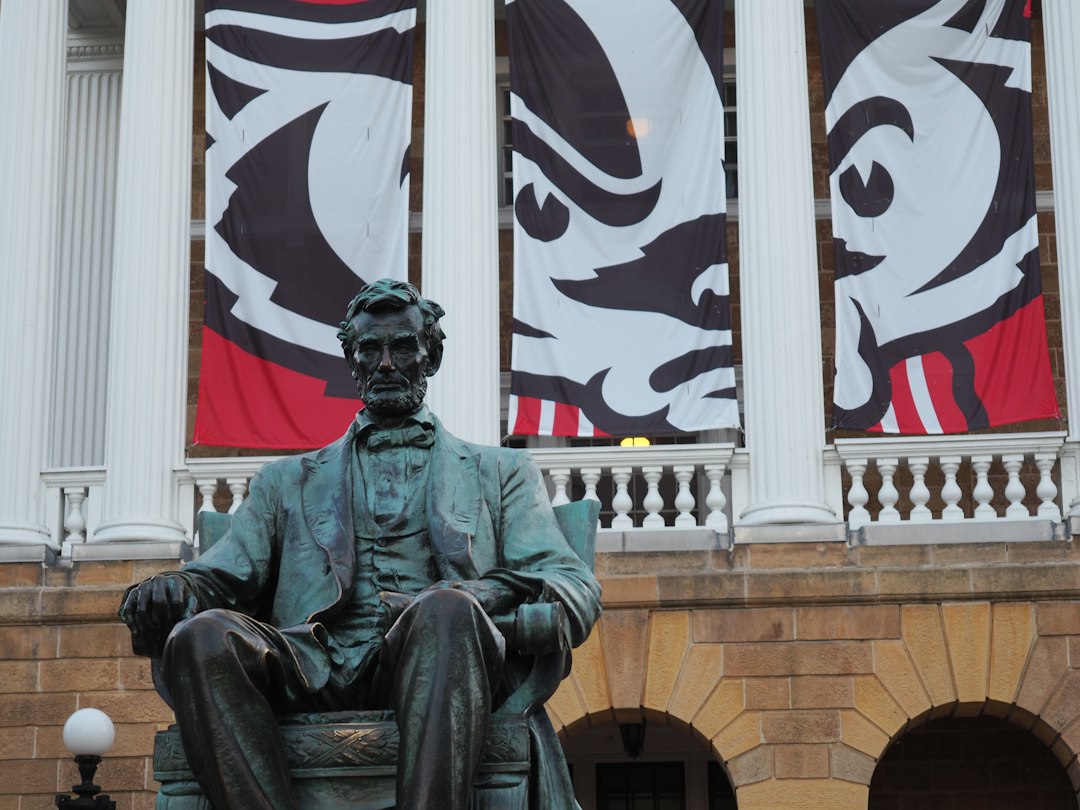
HBCUs have historically provided access to higher education for African American students and other underrepresented groups.
As the legal proceedings unfold, many stakeholders, including education advocates and policymakers, will closely monitor the case. The outcome could influence funding practices in Missouri and set a national precedent for how states fund higher education.
The Wider Impact on HBCUs and Educational Equity
The lawsuit against Missouri represents a broader movement for educational equity in the United States. HBCUs have historically provided access to higher education for African American students and other underrepresented groups. However, ongoing funding disparities threaten their ability to fulfill this mission.
Career Ahead’s analysis shows that equitable funding is not just a financial issue; it is a matter of social justice. Funding disparities create a cycle of inequality that affects generations of students. By challenging these inequities through legal action, Lincoln University students are fighting for their rights and the rights of future generations.
You may also like
 Education & University Insights
University of Colorado Denver Expands to India with New Campus
The University of Colorado Denver is set to establish its first campus in India, enhancing access to international education and job opportunities for students in…
Read More →The outcome of this lawsuit could reshape higher education funding, leading to more robust support for HBCUs. If successful, it may encourage other institutions to pursue similar legal actions, amplifying the call for systemic change in education funding in the U.S.
As this case progresses, it will be crucial to see how it influences public perception of HBCUs and the need for equitable funding. The conversation about educational equity is gaining momentum. This lawsuit could become a pivotal moment in the ongoing struggle for justice in education.
The implications of this case extend far beyond Lincoln University. It raises important questions about how states prioritize education funding. The long-term consequences of these decisions affect student success. As the legal battle unfolds, education sector stakeholders will be keenly interested in the developments and their potential impact on future funding policies.
If successful, it could lead to increased financial support for students, enhancing their educational resources and opportunities.
Frequently Asked Questions
How will the lawsuit affect funding for Lincoln University students?
The lawsuit aims to address funding disparities that have historically affected Lincoln University. If successful, it could lead to increased financial support for students, enhancing their educational resources and opportunities.
What are the potential outcomes of the Missouri lawsuit for HBCUs?
A favorable ruling for the students could set a precedent for other HBCUs. This could prompt states to reassess their funding models and implement reforms to ensure equitable support for all institutions.

What steps can HBCU students take to advocate for equitable funding?
Students can engage in advocacy efforts, collaborate with organizations focused on educational equity, and raise awareness about funding disparities. Collective action can amplify their voices and drive change.
You may also like
 Education & University Insights
Need Help Paying for College? Try Bass Fishing.
This trend is crucial for college students interested in bass fishing, as it opens up new financial avenues to support their educational goals.
Read More →