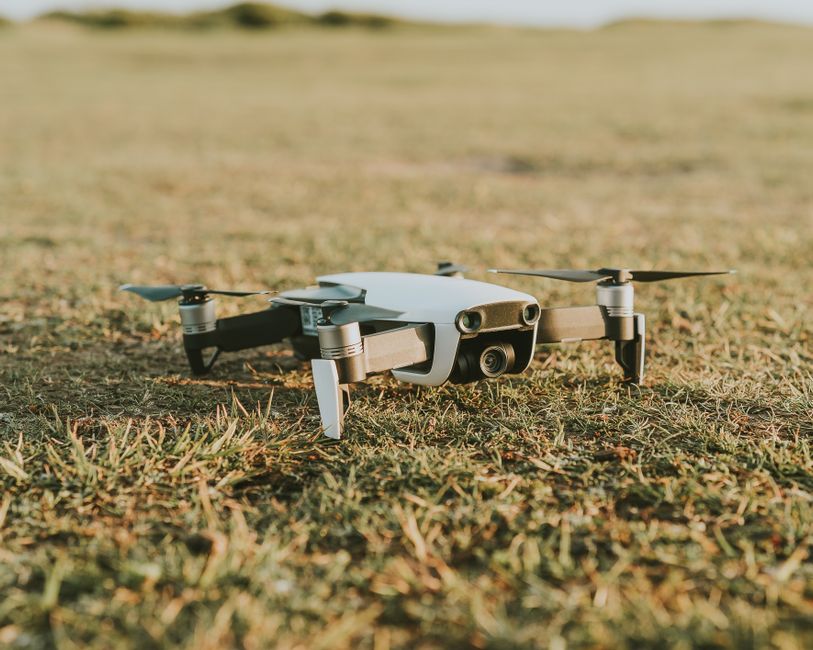
Lockheed Martin announced a $50 million investment in Fortem Technologies on October 2, 2026. Fortem is a leader in counter-drone solutions. This funding will enhance Fortem’s DroneHunter technology, which detects and neutralizes unauthorized drones. The investment is a key step in improving counter-drone capabilities. There is a growing need for effective drone defense systems in many sectors.
This partnership comes at a time when demand for counter-drone technologies is rising. As drones become more common, concerns about their misuse have increased. Lockheed’s support not only provides funding but also validates Fortem’s innovative approach in defense. A report by BattlePolicy states that this investment is part of a trend where defense contractors invest in advanced technologies to tackle emerging threats.
Strategic Investment and Its Implications
The $50 million investment is part of a Series B funding round. This funding will help Fortem scale up production of DroneHunter systems. It will also enable Fortem to improve its technology for neutralizing rogue drones. The DroneHunter system autonomously detects, tracks, and intercepts drones, offering a comprehensive solution to a growing threat. The Defense Post highlights that this collaboration is more than a financial deal; it represents a strategic alignment that could set new standards in drone defense.
According to BattlePolicy, this investment signifies Lockheed Martin’s shift towards advanced drone technologies. By integrating Fortem’s capabilities into its defense portfolio, Lockheed aims to meet the rising demand for strong drone defense mechanisms. This collaboration is expected to lead to innovative solutions that protect critical infrastructure and ensure safety in various environments. This is especially important as the rise of drones raises security concerns in sensitive areas, including military sites and urban centers.
Career Ahead’s analysis shows that this partnership reflects a broader trend in the defense industry. Investments in advanced technologies are becoming more common. As defense contractors focus on innovation, the demand for skilled professionals in drone technology will increase. Engineers with expertise in autonomous systems and counter-drone technologies will be in high demand. As Fortem boosts its production capabilities, it may attract more partnerships and investments, solidifying its market position.
As defense contractors focus on innovation, the demand for skilled professionals in drone technology will increase.
The investment will likely create many job opportunities in the defense contracting sector. As Fortem grows, it will need a diverse range of talent, from software developers to systems engineers. The focus on cutting-edge drone defense systems will drive recruitment, especially for roles in technology integration and system optimization. The Defense Post notes that this could lead to a significant influx of talent into the sector, as professionals seek careers with companies at the forefront of technological advancement.
With this investment, Lockheed Martin enhances Fortem’s capabilities and sets a precedent for future collaborations in defense. The focus on advanced technologies may encourage other defense contractors to follow suit. This could lead to a competitive landscape where innovation is crucial. As the industry evolves, partnerships between established defense giants and innovative tech startups like Fortem could redefine the future of drone defense.
Emerging Skills for the Counter-Drone Sector
The partnership between Lockheed Martin and Fortem Technologies highlights a shift in skill requirements for professionals in the counter-drone sector. As the industry changes, engineers and technicians must adapt to new technologies and methods for drone detection and neutralization. The growing complexity of drone systems requires a workforce that is technically skilled and agile in adopting new advancements.
Career Ahead research shows that skills in artificial intelligence (AI), machine learning (ML), and autonomous systems will be increasingly important. Professionals will need to develop algorithms that can identify and track drones in real-time. Additionally, expertise in cybersecurity will be essential to protect these systems from threats. Various industry reports indicate that integrating AI into drone defense systems will enhance their effectiveness. Therefore, engineers must stay updated on the latest developments in these technologies.
The demand for specialized training programs will likely rise as companies seek to equip their workforce with necessary skills. Educational institutions may need to work with industry leaders to create curricula focused on the latest advancements in drone technology and defense strategies. This collaboration could lead to targeted training programs that prepare students for careers in this rapidly evolving field. It will ensure that the next generation of engineers is ready to meet industry demands.

Educational institutions may need to work with industry leaders to create curricula focused on the latest advancements in drone technology and defense strategies.
As Fortem Technologies expands, it may also invest in training programs for its employees. This will ensure they are well-versed in the latest technologies and practices. Investing in human capital will be crucial for maintaining a competitive edge in the fast-changing counter-drone market. As the industry grows, professionals must stay aware of emerging trends and technologies. Continuous learning and adaptation will be key for those looking to succeed in this dynamic environment.
As the collaboration between Lockheed Martin and Fortem Technologies unfolds, it will be interesting to see how it influences the broader landscape of drone technology and defense. The implications of this partnership extend beyond immediate technological advancements. It suggests a future where innovation and collaboration are essential for success in the counter-drone sector.
Industry analysts predict that as the market for counter-drone systems expands, we may see more regulations governing drone usage and defense measures. This could create a more structured environment for defense contractors and technology providers, ensuring safety and security remain top priorities. Furthermore, as Fortem improves its DroneHunter technology, other defense contractors may feel pressured to invest in similar innovations. This could lead to advancements in drone detection and neutralization systems, benefiting various sectors, including public safety, transportation, and critical infrastructure protection.
In conclusion, Lockheed Martin’s investment in Fortem Technologies has far-reaching implications. As the counter-drone market evolves, the industry must prepare for a future where innovation and collaboration are key to success.
Frequently Asked Questions
What are the implications of Lockheed’s investment in Fortem for defense contractors?
Lockheed Martin’s investment in Fortem Technologies shows a strong commitment to advancing counter-drone capabilities. This partnership may encourage other defense contractors to invest in innovative technologies, increasing competition and driving demand for specialized skills in the sector.
Professionals in the counter-drone sector will need expertise in AI, machine learning, and cybersecurity.
How can drone technology engineers leverage new opportunities from this partnership?
Drone technology engineers can benefit from the growing demand for advanced skills in AI, machine learning, and autonomous systems. As Fortem expands, job opportunities in the counter-drone sector are expected to rise, providing engineers with new career pathways.

What skills are needed for professionals in the counter-drone technology sector?
Professionals in the counter-drone sector will need expertise in AI, machine learning, and cybersecurity. Understanding how to develop and implement autonomous systems for drone detection and neutralization will be crucial for success in this evolving field.
Written by Career Ahead AI. AI can make mistakes, so verify key facts. Report errors to support@careeraheadonline.com.