

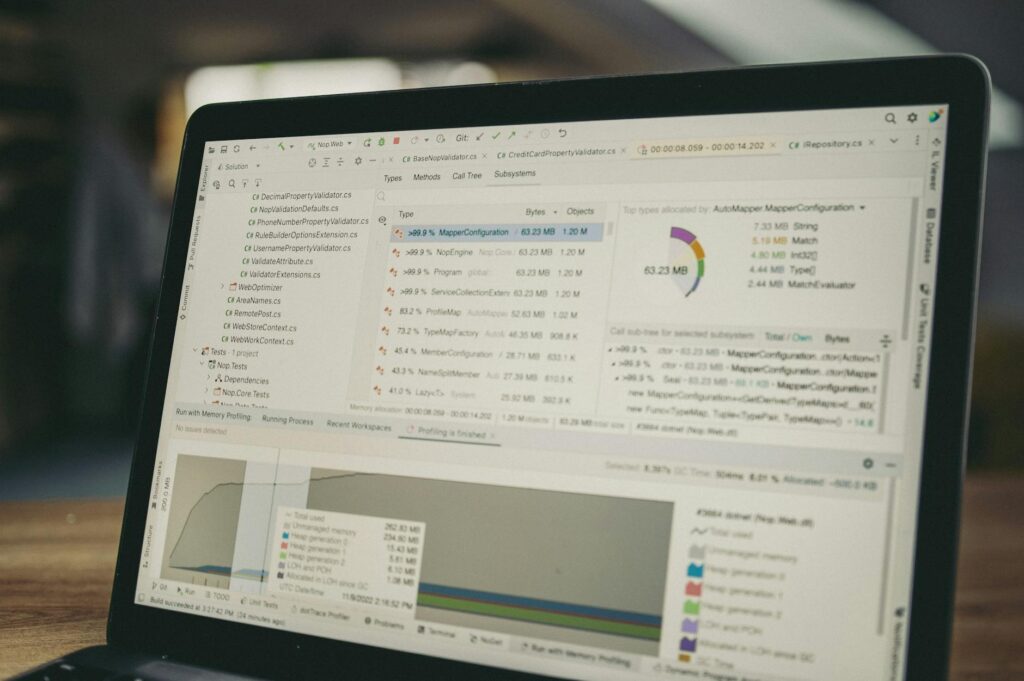
Open‑source Lumina gives engineers a fast, flexible way to turn tangled logs into clear, actionable pictures, cutting waste and risk.
The Problem with Data Visualization in Software Engineering
When a senior engineer at a leading fintech firm stared at a sea of JSON logs after a payment‑gateway glitch, their existing dashboard offered no clue. The charts were static, the colors fixed, and the drill‑down options missing. This is a common bottleneck for engineers. Traditional tools like Tableau or Power BI were built for business analysts, not for code‑level metrics. A 2025 GitHub Octoverse report found that 68% of open‑source contributors cite “insufficient tooling for real‑time insight” as a top frustration.
Without a nimble visual layer, engineers miss early warnings. Missed spikes in error rates can cascade into outages, as the 2024 Netflix incident showed: a missing visual cue delayed a cache‑invalidations fix by eight hours, costing the company an estimated $15 million.
Traditional tools like Tableau or Power BI were built for business analysts, not for code‑level metrics.
The Evolution of Data Visualization in Software Development
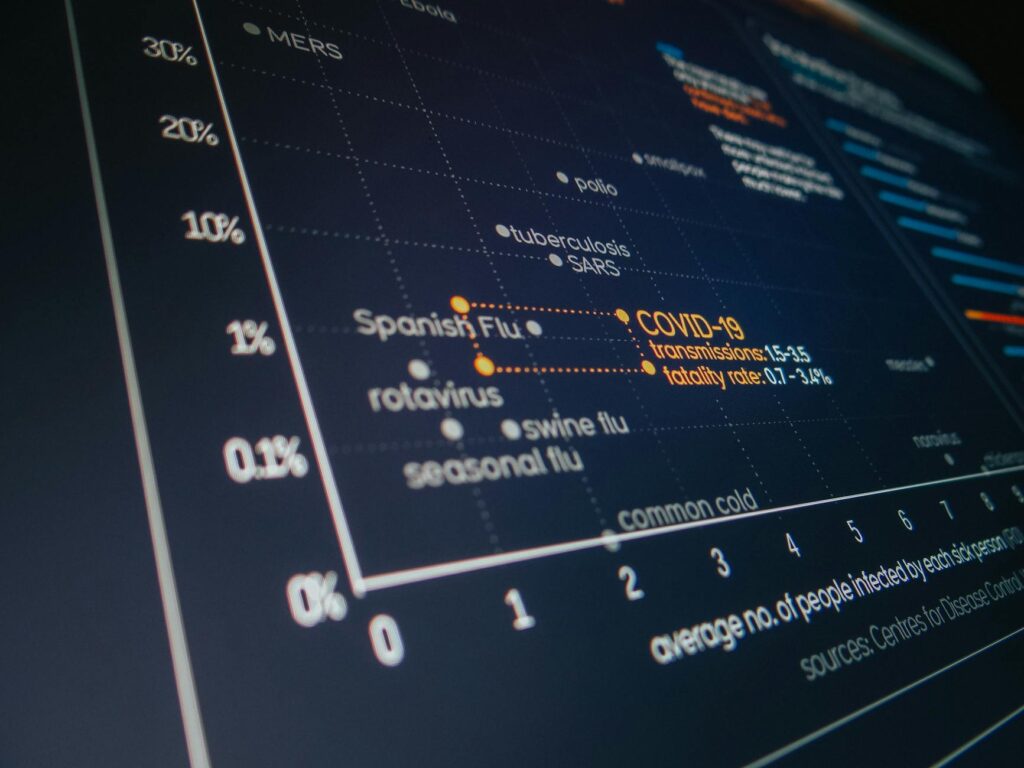
Data visualization has evolved from static bar charts in the 1990s to interactive dashboards in the 2010s. As codebases grew and observability pipelines flooded teams with metrics, the need for adaptable visuals surged. AI‑driven analytics have begun to fill the gap, but most of these advances sit behind proprietary platforms, limiting who can experiment.
The Stakes: The Impact of Ineffective Data Visualization
When visual insight lags, development cycles stretch. A 2025 Stack Overflow Developer Survey showed that teams using inadequate dashboards reported 22% longer sprint cycles on average. Longer cycles inflate costs and delay market launches. In safety‑critical domains, unclear data can hide bugs that endanger lives or breach regulations.
Introducing Lumina, the Open‑Source Framework

Lumina arrived on GitHub in February 2026, backed by a core team from the OpenAI Lab and contributions from engineers at Uber and Red Hat. The framework plugs into any telemetry source and renders charts in the browser with a single line of code. Key features set Lumina apart: its declarative schema, streaming data via WebSockets, and a plugin system that supports AI‑assisted pattern detection.
The Future of Data Visualization with Lumina
 AI & Technology
AI tools, productivity pressure and the strain of software work
AI coding tools promise faster software development, but the reality is more complicated. Developers report growing pressure to deliver sooner, while research has found that…
Read More →If Lumina matures, it could become the default visual layer for observability stacks. Its real‑time engine aligns with the growing trend of “observability as code.” Large enterprises may adopt Lumina to cut licensing fees from commercial tools. Smaller teams gain access to advanced visual analytics without a budget, leveling the playing field.
Written by Career Ahead AI. AI can make mistakes, so verify key facts. Report errors to support@careeraheadonline.com.





