No products in the cart.

Luxury Custom Goods Market to Expand at 4.8% CAGR Through 2035 on Personalization, Sustainability
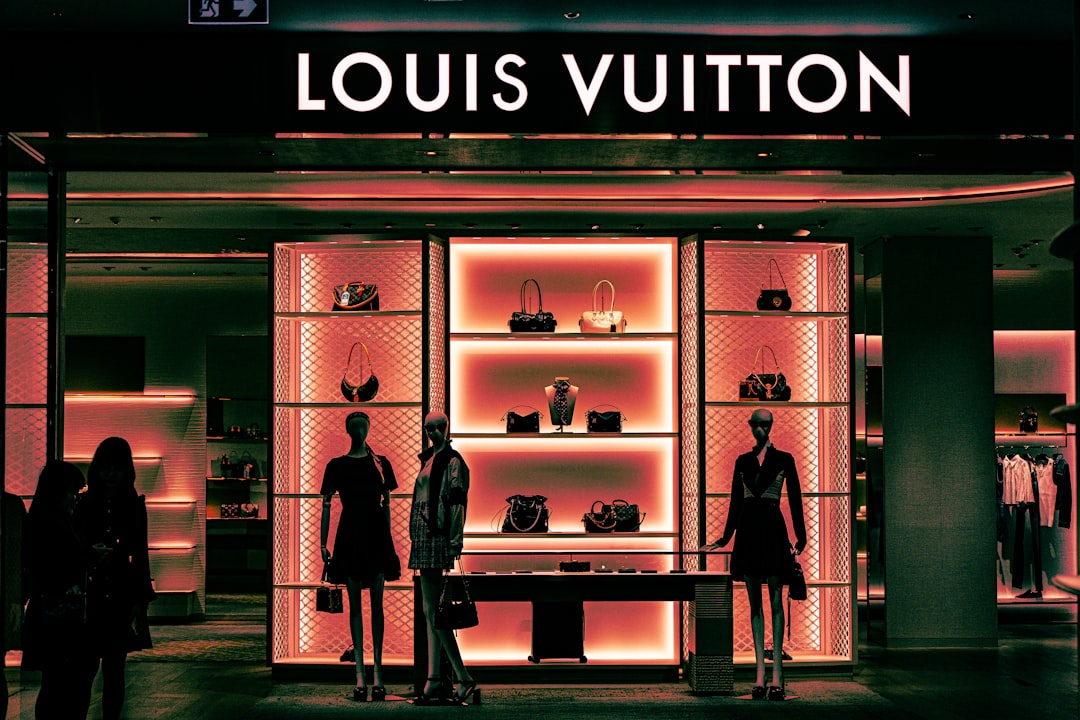
The global luxury custom goods market is projected to grow at a 4.8% CAGR through 2035, fueled by rising demand for personalization and sustainable practices. This expansion impacts careers, education, and innovation across the luxury sector.

London, UK — The global luxury high-end custom goods market is set to expand at a compound annual growth rate (CAGR) of 4.8% between 2025 and 2035, driven by surging consumer demand for personalized products and sustainability-conscious manufacturing processes. This trend is reshaping the luxury sector’s approach to design, production, and customer engagement, according to a recent report by Industry Today published on November 20, 2025.[1]
This growth trajectory signals a fundamental shift in how luxury brands operate amid evolving consumer values. High-net-worth individuals and millennials alike are increasingly prioritizing bespoke experiences and eco-friendly sourcing over traditional mass-produced luxury items. The implications extend beyond sales figures to influence career pathways in design, supply chain management, and corporate social responsibility roles within the luxury goods industry.
<img width="940" height="627" src="https://careeraheadonline.com/wp-content/uploads/2025/11/7263005.jpg" class="aligncenter" alt="Luxury Custom Goods Market to Expand at 4.8% CAGR Through 2035 on Personalization, sustainability” loading=”lazy” />
Why Customization and Sustainability Matter Now
The move toward personalized luxury goods taps into a broader societal demand for authenticity and self-expression. Data from Bain & Company indicates that by 2030, over 50% of luxury product sales will include some form of customization, up from 30% in 2024.[2] This shift is compelling brands to rethink traditional production cycles, investing in technologies like 3D printing and AI-driven design tools to meet bespoke orders efficiently. Sustainability has become a parallel driver of growth. The luxury sector, historically criticized for environmental impact, is responding to consumer pressure and regulatory frameworks by adopting transparent sourcing and circular economy principles. McKinsey’s 2025 luxury report highlights that 70% of luxury consumers now expect brands to demonstrate measurable environmental responsibility.[3] This expectation is reshaping procurement, material innovation, and waste reduction strategies.
 News
NewsRecession in Sri Lanka Affecting Universities
Career Ahead Sri Lanka is a lower-middle-income country, and at this point it is going through a major economic recession.…
Read More →Market Dynamics and Industry Context
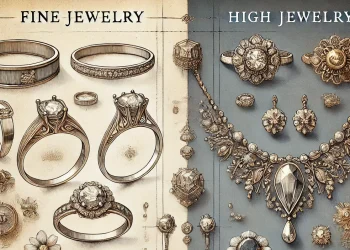
The luxury high-end custom goods market encompasses jewelry, watches, fashion, and accessories. Key players such as LVMH, Richemont, and Kering are intensifying their focus on in-house customization platforms and sustainable sourcing initiatives. For instance, Cartier and Gucci have launched bespoke services integrating recycled gold and ethically sourced gems, catering to affluent clients demanding traceability and uniqueness. Emerging luxury brands are also capitalizing on this trend by offering fully digital customization experiences. Online platforms enable clients to co-create designs in real time, reducing inventory and lowering carbon footprints. This convergence of digital innovation and sustainability is redefining competitive advantage in luxury retail.
Sustainability has become a parallel driver of growth.
Multiple Perspectives on Growth and Challenges
From a business perspective, the 4.8% CAGR forecast reflects steady but manageable growth, allowing brands to invest strategically in technology and talent without overextending. Bain & Company warns, however, that supply chain complexity will increase as customization demands more flexible manufacturing and just-in-time delivery models.[2]
Industry analysts emphasize the importance of workforce evolution. Skills in digital craftsmanship, sustainability auditing, and data analytics are becoming essential. The luxury sector must partner with educational institutions to develop curricula that blend artisanal tradition with modern technologies. Critics caution that sustainability claims must be substantiated to avoid greenwashing risks. Transparency, third-party certification, and lifecycle assessments are crucial to maintaining consumer trust. Regulatory pressures in Europe and North America are expected to tighten, making compliance a strategic priority.
 Artificial Intelligence
Elon Musk Seeks $134 Billion from OpenAI Amid Legal Battle
Elon Musk is suing OpenAI for up to $134 billion, claiming fraud and mismanagement of the AI company's mission.
Read More →Implications for Careers and Innovation
The intersection of personalization and sustainability is creating new roles in design innovation, ethical sourcing, and customer experience management. Luxury brands are hiring specialists in biomaterials, circular economy logistics, and AI-driven customization platforms. This demand is reshaping education pathways, with institutions such as the London College of Fashion and the Fashion Institute of Technology expanding programs focused on sustainable luxury and digital design. Moreover, traditional craftsmanship skills remain vital. The challenge lies in integrating these artisanal talents with cutting-edge tools to produce one-of-a-kind items efficiently. Career seekers equipped with hybrid skills will find opportunities in luxury houses, consultancies, and tech startups facilitating this transformation.

Looking Ahead: Luxury’s Sustainable Personalization Era
As the luxury custom goods market grows, companies must balance innovation with authenticity. The brands that excel will be those that embed sustainability deep into their DNA, aligning product uniqueness with environmental stewardship. The next decade promises a redefinition of luxury—one where bespoke craftsmanship meets responsible innovation. For professionals and educators, this signals a call to develop expertise at the nexus of design, technology, and sustainability. Policymakers will also play a key role in shaping frameworks that support transparency and ethical practices without stifling creativity. For career seekers, the evolving luxury landscape offers pathways rich with possibilities for those who can navigate its complexity.
 Communication
The Art of Science: Why Storytelling Matters for Researchers
Storytelling is a vital skill for researchers, transforming how they share discoveries and engage audiences. Explore its impact.
Read More →