Madhya Pradesh is launching Sandipani Schools, integrating traditional values with modern education, aiming to prepare students for a technology-driven future.
Madhya Pradesh, India — The state has launched Sandipani Schools, a new educational initiative that integrates traditional Indian values with modern subjects such as artificial intelligence, robotics, and digital technology. This initiative, announced by Chief Minister Mohan Yadav on Guru Purnima, aims to revitalize the educational landscape by combining elements of the ancient Gurukul system with contemporary learning methodologies.
As part of this initiative, the Madhya Pradesh government plans to establish a network of 368 Sandipani Schools, with a focus on value-based education. The first phase includes 274 schools under the School Education Department and 94 under the Tribal Affairs Department. This model aims to prepare students for a technology-driven future while maintaining a strong connection to their cultural roots. According to a report by Mint, the initiative is designed to create a balanced educational environment that nurtures both academic skills and ethical values.
Integrating Tradition with Modern Learning
The Sandipani Schools are designed to revive the Guru-Shishya tradition, which emphasizes a close relationship between teachers and students. This model not only focuses on academic excellence but also on character-building and moral education. The curriculum will include subjects that reflect both traditional Indian culture and modern technological advancements. The integration of subjects like AI and robotics into the curriculum is a significant step towards preparing students for the future job market, where such skills are increasingly in demand.
According to Career Ahead’s analysis, the Sandipani Schools will feature advanced facilities such as science laboratories, robotics centers, and smart classrooms. This infrastructure aims to provide students with hands-on experiences that enhance their learning. By integrating value-based education with contemporary subjects, the initiative seeks to create well-rounded individuals equipped for the challenges of the modern world. Furthermore, the schools will incorporate extracurricular activities, including yoga, sports, and cultural education, which are essential for holistic development. This comprehensive approach aims to foster a sense of discipline and respect for Indian culture among students, aligning with the findings from Career Ahead.
The integration of subjects like AI and robotics into the curriculum is a significant step towards preparing students for the future job market, where such skills are increasingly in demand.
New York City's school system remains one of the most segregated in the U.S. City leaders are now pushing for integration, but advocates emphasize the…
Moreover, the initiative aligns with the broader educational reforms in India, which emphasize the importance of a holistic approach to learning. The Madhya Pradesh government is positioning these schools as a model for other states, showcasing how traditional educational philosophies can coexist with modern technological advancements. The potential for scaling this model is significant, with plans to expand the number of Sandipani Schools in the future. The Madhya Pradesh government aims to establish 405 more schools in the second phase, further solidifying its commitment to this innovative educational approach.
Impact on Teacher Training and Educational Policy
The introduction of Sandipani Schools will also have significant implications for teacher training methodologies. Educators will need to adapt to new teaching strategies that incorporate both traditional values and modern educational practices. This shift could lead to the development of specialized training programs aimed at equipping teachers with the necessary skills to thrive in this new educational environment. As the Sandipani Schools begin to take shape, the Madhya Pradesh government is expected to invest in professional development for teachers. This will include workshops and training sessions focused on innovative teaching methods and the integration of technology in the classroom. Such initiatives are crucial for ensuring that educators are well-prepared to deliver the new curriculum effectively.
Furthermore, the success of the Sandipani Schools could influence educational policy at the state and national levels. If the model proves effective, it may prompt policymakers to consider similar approaches in other regions, potentially leading to a nationwide shift in educational practices. The emphasis on character-building alongside academic success could reshape how education is perceived and delivered in India. Career Ahead analysis finds that the Sandipani initiative could set a precedent for future educational reforms, highlighting the importance of blending traditional values with modern skills. This approach may resonate with parents and educators alike, creating a demand for schools that prioritize both academic excellence and moral education.
In the long term, the establishment of Sandipani Schools could contribute to a more balanced education system in India, one that values both technological proficiency and cultural heritage. As the initiative unfolds, stakeholders will be closely watching its impact on student outcomes and community engagement. The ongoing investment in teacher training and curriculum development will play a crucial role in shaping the outcomes of the Sandipani Schools. The commitment to providing educators with the tools they need to succeed will be essential in ensuring that the initiative meets its goals.
As the first cohort of students begins their journey in these schools, their experiences will be critical in assessing the model’s success. Will they emerge as well-rounded individuals prepared for the challenges of the 21st century? The answer to this question may have far-reaching implications for the future of education in India. The Sandipani Schools could serve as a catalyst for broader educational reforms across the country, inspiring other states to adopt similar models. As the initiative develops, it will be important to monitor its impact on students, teachers, and the community at large.
Career Ahead analysis finds that the Sandipani initiative could set a precedent for future educational reforms, highlighting the importance of blending traditional values with modern skills.
Frequently Asked Questions
What are the key features of the Sandipani school model?
The Sandipani school model integrates traditional Indian educational values with modern subjects like AI and robotics. It emphasizes character-building alongside academic learning, aiming to create well-rounded individuals.
How can educators adopt practices from Sandipani schools?
Educators can adopt practices from Sandipani schools by focusing on value-based education and integrating technology into their teaching methods. Professional development programs will be essential for this transition.
What policy changes are needed to support alternative education models like Sandipani?
To support models like Sandipani, policymakers should consider investing in teacher training, curriculum development, and infrastructure improvements in schools, ensuring that they can effectively implement modern educational practices.




 Education & University Insights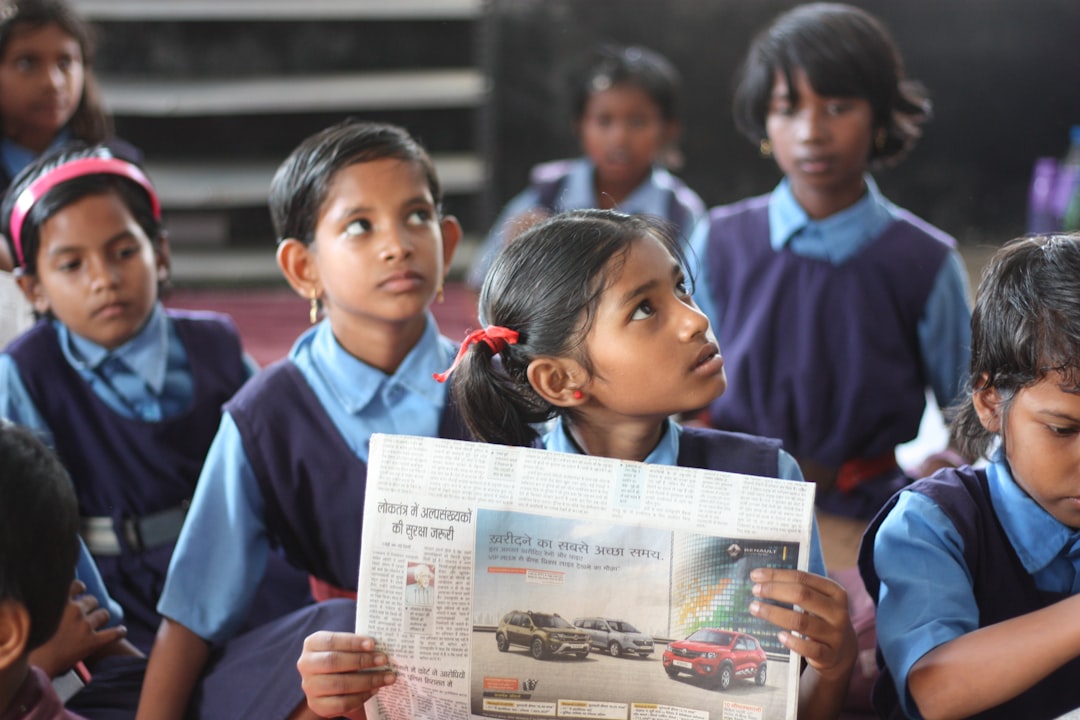
Education & University Insights