No products in the cart.

Madhya Pradesh Engineering Colleges Face 64% Faculty Shortage

Madhya Pradesh's engineering colleges face a staggering 64% faculty shortage, impacting education quality and student preparedness. The reliance on guest faculty raises concerns over consistency and institutional leadership, calling for urgent reforms.

Madhya Pradesh’s technical education system is facing a severe shortage of permanent faculty, with government engineering colleges and polytechnics reporting over 66% of teaching positions vacant. As of September 2026, the situation has reached a critical point, with only 170 permanent faculty members in place against 500 sanctioned posts in engineering colleges, leaving 330 positions unfilled. Similarly, government polytechnics are struggling with 1,350 out of 2,100 sanctioned teaching posts vacant, leading to a vacancy rate of approximately 64.29%.
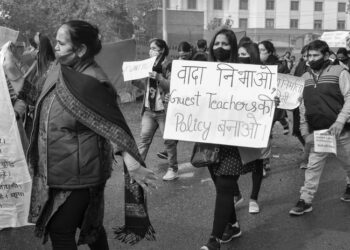
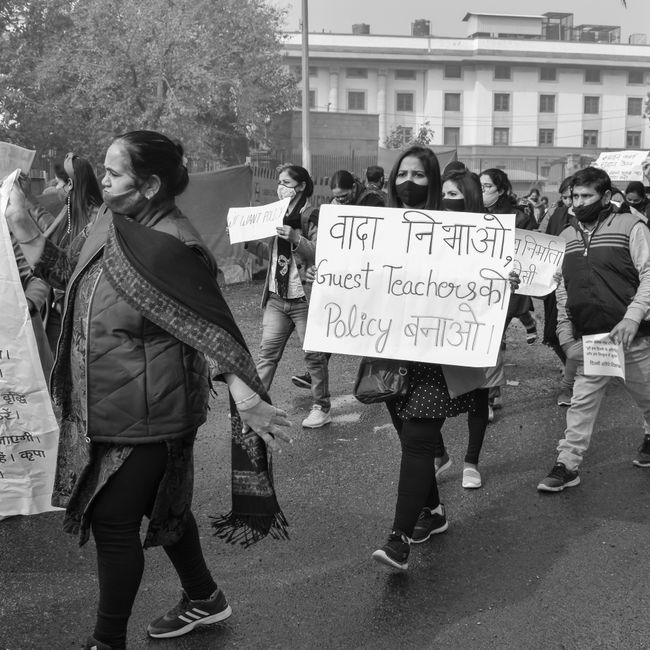
This shortage is not just about numbers; it directly affects the quality of education delivered to students. With institutions increasingly relying on guest faculty to fill the gaps, concerns have arisen regarding the consistency and quality of instruction. Education experts argue that while guest faculty can provide temporary support, they cannot replace the long-term commitment and expertise of permanent faculty responsible for curriculum development and academic continuity.
The Impact of Guest Faculty on Education Quality
The reliance on guest faculty has led to significant variability in the quality of education across Madhya Pradesh’s technical institutions. Many guest faculty members, although qualified, may lack the institutional knowledge and familiarity with the curriculum required for effective teaching. This inconsistency can hinder students’ academic performance and preparedness for the workforce. According to a report by the Economic Times, the shortage of permanent faculty has raised concerns over classroom teaching, laboratory training, and academic supervision, which are critical for engineering programs.
The Department of Technical Education, Skill Development and Employment in Madhya Pradesh is planning to revise its recruitment policy, proposing that technical education posts be filled through the Madhya Pradesh Public Service Commission (MPPSC).
Career Ahead’s analysis finds that the over-reliance on guest faculty can lead to a fragmented learning experience. Students may find themselves learning from different instructors each semester, impacting their ability to build meaningful relationships with mentors and gain in-depth knowledge in their fields. Moreover, the lack of permanent faculty can result in insufficient laboratory management and research guidance, which are crucial for engineering students. The absence of a stable teaching staff can also diminish the overall student experience, as they may feel disconnected from the academic community.
You may also like
 Education & University Insights
Class Ceiling Blocks Working-Class Scholars
A recent study reveals that socioeconomic status significantly impacts hiring and promotion in academia, presenting unique challenges for working-class scholars and affecting diversity in higher…
Read More →Education authorities have acknowledged these challenges and are taking steps to address the faculty shortage. The Department of Technical Education, Skill Development and Employment in Madhya Pradesh is planning to revise its recruitment policy, proposing that technical education posts be filled through the Madhya Pradesh Public Service Commission (MPPSC). This move aims to streamline the hiring process and expedite appointments, but it remains to be seen how quickly these changes can be implemented. The urgency of the situation is underscored by the fact that many institutions are currently operating with a skeletal faculty, which compromises the educational quality and institutional integrity.
Despite these efforts, the immediate future remains uncertain. As institutions continue to operate with a skeletal faculty, students are left to navigate an educational landscape that lacks stability and continuity. The long-term implications of this crisis could be detrimental, not just for the students currently enrolled but for the future of technical education in the state. The Economic Times highlights that the reliance on guest faculty may not only affect current students but could also deter prospective students from enrolling in these institutions, further exacerbating the crisis.
Institutional Leadership Challenges
The faculty shortage extends beyond classroom teaching; it also affects institutional leadership. Reports indicate that government polytechnics in Madhya Pradesh are functioning with only one permanent principal across the entire state. This lack of stable leadership raises concerns about academic planning, administration, and the overall direction of these institutions. The absence of effective leadership can lead to disjointed decision-making and a lack of strategic vision, further exacerbating the challenges faced by faculty and students alike. The leadership vacuum may hinder the implementation of necessary reforms aimed at improving educational quality, as strong leadership is crucial for navigating the complexities of educational administration.
Career Ahead research identifies that the current leadership vacuum could hinder the implementation of necessary reforms aimed at improving the quality of education.
You may also like
 Education & University Insights
Chikkaballapur Teachers Face Accountability for Student Struggles
The government has issued show-cause notices to 180 teachers in Karnataka after assessments revealed that many Class 7 students struggle with basic literacy and numeracy…
Read More →Career Ahead research identifies that the current leadership vacuum could hinder the implementation of necessary reforms aimed at improving the quality of education. Without strong, consistent leadership, efforts to address the faculty shortage and enhance educational outcomes may falter, leaving students and educators in a precarious situation. Furthermore, the reliance on guest faculty exacerbates these leadership challenges. With a constantly changing roster of instructors, it becomes difficult for leaders to establish a cohesive academic environment. This instability can deter potential students from enrolling, ultimately affecting the institutions’ reputations and their ability to attract quality faculty in the future.
As the situation stands, the combination of faculty shortages and weak institutional leadership poses a significant threat to the future of technical education in Madhya Pradesh. The state must act swiftly to address these issues, or risk falling further behind in an increasingly competitive educational landscape. The implications of the faculty shortage in Madhya Pradesh’s engineering colleges and polytechnics are profound. As the state grapples with this crisis, the quality of education and the employability of future graduates are at stake. Students currently enrolled in these institutions may find themselves inadequately prepared for the job market, while prospective students may reconsider their choices in light of the ongoing faculty shortages.
In the coming months, it will be crucial to monitor how the state government addresses these challenges. Will the proposed changes to recruitment policies lead to a swift resolution of the faculty crisis? Or will the ongoing reliance on guest faculty continue to undermine the quality of education in Madhya Pradesh?
Frequently Asked Questions
What are the reasons for the faculty shortage in Madhya Pradesh engineering colleges?
The faculty shortage in Madhya Pradesh engineering colleges is attributed to a combination of factors, including inadequate recruitment policies and a lack of permanent positions available. The reliance on guest faculty has also increased due to the vacancies, which further complicates the situation.
By creating a supportive learning environment, they can help mitigate the impact of the faculty shortage on students’ educational experiences.
How can polytechnic instructors adapt to the reliance on guest teachers?
Polytechnic instructors can adapt by collaborating with guest faculty to ensure continuity in the curriculum and sharing resources. Establishing a network for communication can help maintain academic standards despite the fluctuating faculty presence.

What steps should engineering faculty take to address the quality of education amid faculty shortages?
You may also like
 Education & University Insights
Why AACSB’s Lily Bi Emphasizes Industry Connectivity for B-Schools
Lily Bi, CEO of AACSB, emphasizes the need for business schools to enhance industry connectivity to remain relevant in the age of AI and evolving…
Read More →Engineering faculty should focus on developing strong mentorship programs and fostering community among students and guest instructors. By creating a supportive learning environment, they can help mitigate the impact of the faculty shortage on students’ educational experiences.