Mammotion’s Spino S1 Pro: The Future of Robot Pool Cleaning
Mammotion's Spino S1 Pro revolutionizes pool cleaning by autonomously charging itself. Learn how this innovation impacts the future of home maintenance.
Mammotion has unveiled a groundbreaking innovation in pool maintenance with its new Spino S1 Pro robot pool cleaner. This device not only cleans your pool but also autonomously lifts itself out of the water to recharge. With the growing trend of automation in home maintenance, this development is significant for homeowners and tech enthusiasts alike. As smart home technology evolves, the Spino S1 Pro represents a leap forward in convenience and efficiency.
The Spino S1 Pro was showcased at CES 2026, highlighting its advanced features and capabilities. The robot is equipped with a robotic arm and a docking station that sits at the edge of the pool. When the battery runs low, the Spino S1 Pro uses an underwater communication system to navigate itself to the docking station, where it is lifted out of the water for charging. This self-sufficient design eliminates the need for users to manually remove the cleaner from the pool, making it a hassle-free solution for pool maintenance.
Equipped with an onboard camera and multiple sensors, the Spino S1 Pro can intelligently navigate the pool, identifying dirty areas, steps, edges, corners, and obstacles. This allows it to clean efficiently and effectively, ensuring that your pool remains pristine with minimal effort on your part. The introduction of such technology not only enhances convenience but also raises questions about the future of home maintenance and the role of robotics in everyday tasks.
Why Mammotion’s Spino S1 Pro Is a Game Changer
The Spino S1 Pro represents a significant advancement in the field of robotic cleaning devices. By integrating autonomous charging capabilities, Mammotion has addressed one of the most common pain points for users of robotic cleaners: the need for manual intervention. This innovation aligns with the increasing demand for smart home devices that simplify household chores.
Moreover, the Spino S1 Pro’s ability to navigate and clean with precision showcases the potential of robotics in enhancing our daily lives. As consumers become more accustomed to technology that saves time and effort, devices like the Spino S1 Pro may soon become standard in households, changing how we perceive and manage home maintenance.
As Mammotion continues to innovate, we can expect to see advancements in AI and machine learning that will further enhance the functionality of robotic cleaners.
Johnson & Johnson's CEO has called for urgent AI adoption in healthcare, signaling a shift in industry standards. This move could redefine drug development processes…
The implications of this technology extend beyond convenience. As Mammotion continues to innovate, we can expect to see advancements in AI and machine learning that will further enhance the functionality of robotic cleaners. This could lead to even smarter devices capable of learning user preferences and adapting their cleaning patterns accordingly.
However, the introduction of such technology also raises questions about job displacement in the cleaning industry. As more households adopt robotic cleaners, traditional cleaning jobs may see a decline. It is essential for workers in this field to adapt and upskill to remain relevant in a changing job market.
The Career Impact of Robotic Cleaners
As the demand for robotic cleaners like the Spino S1 Pro grows, several career implications emerge. For those in the cleaning industry, it is crucial to understand how automation will affect job opportunities and the skills needed in the workforce. Entry-level positions may decline, but there will be a rising need for technicians who can maintain and repair these advanced devices.
Mid-career professionals may find opportunities in the development and marketing of robotic cleaning technologies. As companies like Mammotion innovate, there will be a demand for skilled workers who can contribute to research and development, sales, and customer support. Professionals with a background in engineering, robotics, or computer science will be particularly well-positioned to take advantage of these emerging opportunities.
For career switchers, this trend presents a chance to pivot into a growing field. Those interested in technology and home automation can explore roles in product design, software development, or service management. Online courses and certifications in robotics and AI can help individuals gain the necessary skills to enter this market.
Explore educational resources: Take online courses in robotics and automation to enhance your skill set.
Network within the industry: Attend trade shows and conferences to connect with professionals in the robotics field.
Stay informed: Follow industry trends and news to understand the evolving job landscape.
HackerRank's AI interviewer, Chakra, is transforming recruitment by streamlining the hiring process and emphasizing critical thinking and problem-solving skills in candidates.
However, experts warn that the rapid adoption of robotic cleaners may not be sustainable. A recent study suggests that while automation can improve efficiency, it may also lead to increased unemployment in certain sectors. Workers must balance the need for new skills with the fundamentals of their current roles to remain competitive in a changing job market.
For those in the cleaning industry, it is crucial to understand how automation will affect job opportunities and the skills needed in the workforce.
The Future of Home Maintenance with Robotics
The introduction of the Spino S1 Pro marks just the beginning of a new era in home maintenance. As technology continues to advance, we can expect to see even more innovative solutions that further reduce the need for manual labor in household chores. This shift will likely lead to a more automated lifestyle, where tasks are managed by smart devices capable of learning and adapting to user needs.
In the coming years, we may witness an increase in smart home integration, where devices like the Spino S1 Pro communicate with other smart appliances to create a seamless experience for homeowners. This interconnectedness will not only enhance convenience but also promote energy efficiency and sustainability in household management.
As we look ahead, one question arises: How will the rise of robotics in home maintenance change our daily routines and the way we perceive household chores? Will we embrace this shift towards automation, or will there be resistance to letting technology take over our traditional roles?
Written by Career Ahead AI. AI can make mistakes, so verify key facts. Report errors to support@careeraheadonline.com.
Career Ahead AI is Career Ahead Magazine's in-house AI newsroom, reporting on careers, education, jobs and business. It produces original summaries and analysis drawn from publicly available sources, with those sources credited, and operates under the editorial oversight of the Career Ahead team. AI can make mistakes, so please tell us when something looks wrong. Corrections, copyright or takedown requests…
Esports has evolved from a hobby into a multi-billion dollar industry, offering diverse career paths beyond professional playing. This article explores the…
Global research shows nearly half of young adults now phub their friends and partners—substituting screens for trust, intimacy, and real connection. The…



 AI & Technology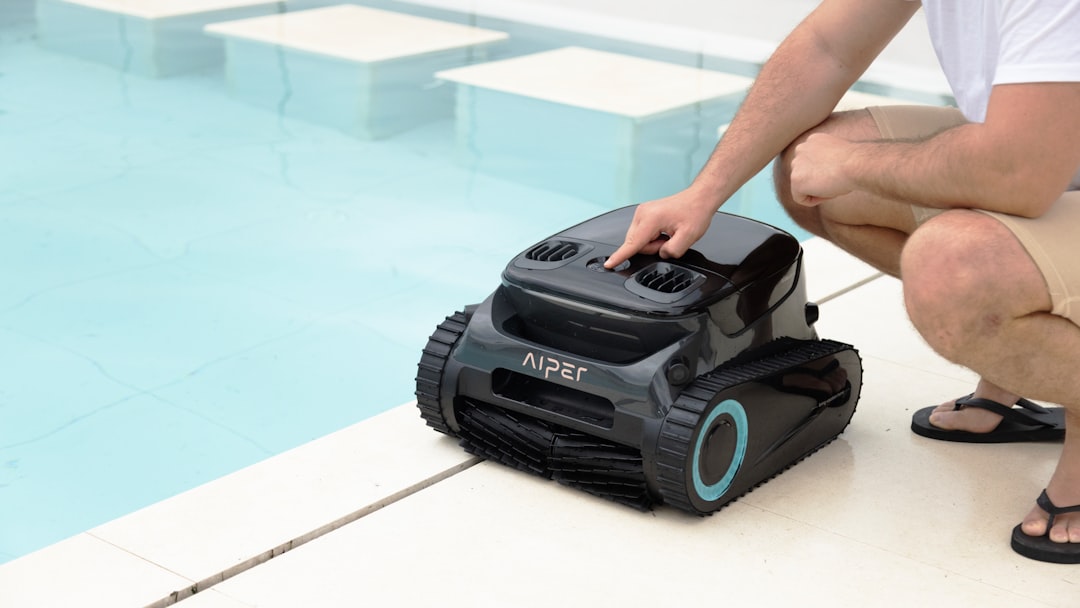
AI & Technology





