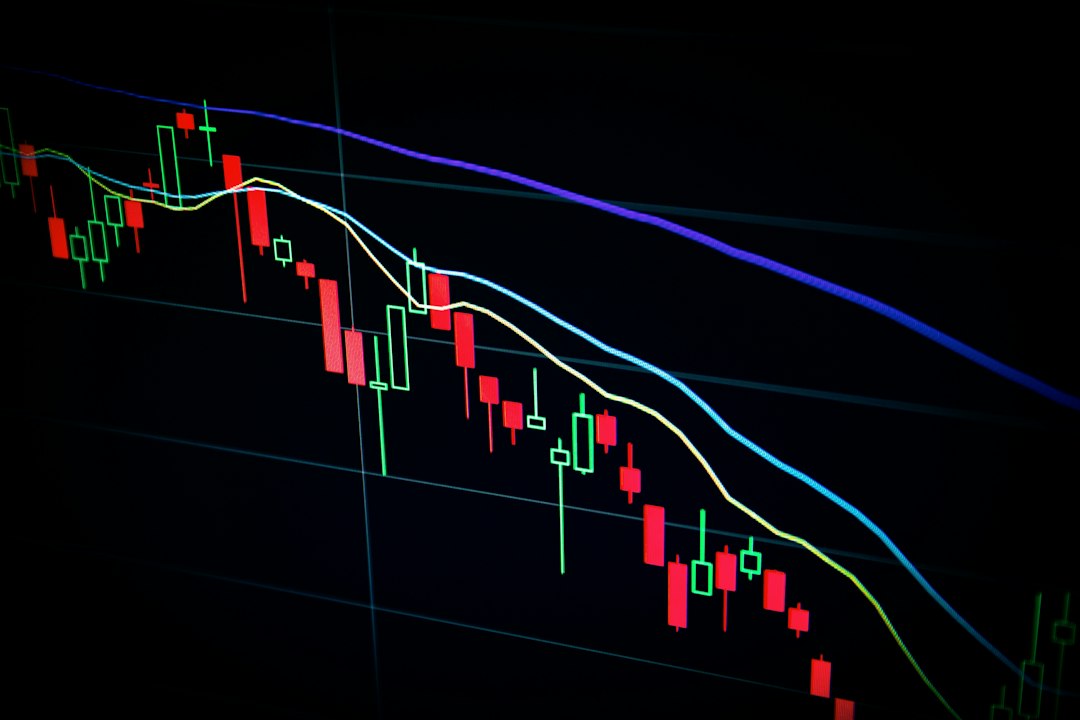
Oil prices surged nearly 4% following remarks from Iranian President Masoud Pezeshkian at the UN, which heightened concerns over Middle Eastern stability.
US stocks fell on September 23, 2026. Rising oil prices and Treasury yields hurt market performance. The S&P 500 dropped 57.74 points, or 0.74%, closing at 7,706.39. The Nasdaq Composite fell 308.24 points, or 1.10%, to 26,943.61. This decline is due to geopolitical tensions and changing economic indicators that affected investor sentiment.
Oil prices surged nearly 4% after Iranian President Masoud Pezeshkian spoke at the UN. His remarks raised concerns about stability in the Middle East. This increase in oil prices impacted the energy sector. The S&P 500 energy index rallied, even as the overall market declined. Analysts are watching how these developments will affect energy stocks and market strategies. According to the Economic Times, the market’s response shows growing unease about prolonged conflict in the region. This could lead to sustained high oil prices and further economic issues.
The Relationship Between Rising Oil Prices and Energy Stocks
Rising oil prices usually boost revenues for energy companies, which can raise their stock prices. However, the current market is complex. Companies like ExxonMobil and Chevron might benefit from higher oil prices. Still, the overall market sentiment remains cautious due to rising Treasury yields and possible Federal Reserve interest rate hikes. The Investopedia notes that while energy stocks may gain in the short term, the long-term outlook is uncertain due to rising costs and inflation that could hurt consumer spending.
As oil prices rise, inflation concerns also grow. Higher oil prices can increase transportation and production costs, which may affect consumers. This could reduce consumer spending, impacting overall economic growth and energy demand. The U.S. News reports that the recent spike in oil prices has raised fears of inflation. This could force the Federal Reserve to act more aggressively with interest rates, complicating the investment landscape.
Analysts focusing on the energy sector must consider these dynamics when creating investment strategies. The link between oil prices and economic indicators will be key in determining energy stocks’ future performance. Analysts should stay alert and adaptable to changes in market sentiment. Current volatility in the energy market affects stock prices and has implications for global economic stability. Higher energy costs can lead to increased production costs across various sectors.
The link between oil prices and economic indicators will be key in determining energy stocks’ future performance.
Anthropic's biolab has made a significant breakthrough with a new enzyme system that may rival CRISPR, potentially reshaping gene therapy and biotechnology.
The Impact of Treasury Yields on Investment Strategies
The rise in Treasury yields significantly impacts bond market strategies and investor sentiment. Recently, yields on two-year Treasuries reached their highest levels since 2024. Meanwhile, 10-year yields hit their highest since 2007. This rise in yields often signals that investors expect higher interest rates. Such expectations can lead to reduced borrowing and spending. According to data from the CME Group’s FedWatch Tool, there is now a 71% chance that the Federal Reserve will raise interest rates at its next policy meeting. This can shift investment strategies, as higher interest rates usually make bonds more attractive than stocks.
Career Ahead research shows that rising Treasury yields could lead investors to reassess risk. As bond yields increase, the cost of capital for companies rises. This may affect their profitability and growth prospects. Investors might become more selective in stock purchases, favoring companies with strong fundamentals and stable cash flows. The CNBC notes that this shift could further pressure stock prices, especially in growth sectors that rely on borrowing for expansion.
Moreover, the connection between rising yields and stock performance is crucial for analysts. Historically, rising yields often lead to stock market corrections. Higher borrowing costs can dampen corporate earnings. Analysts must consider these factors when advising clients or making investment decisions, especially in a volatile market. As the market reacts to these developments, the potential for further interest rate hikes remains significant. Investors should prepare for ongoing volatility due to Treasury yields and oil price fluctuations.
The Federal Reserve’s stance on interest rates will be key in shaping market dynamics in the coming months. With inflation above the Fed’s 2% target, the central bank is likely to continue raising rates. This could significantly impact both stock and bond markets. As analysts monitor the situation, they must consider how the Fed’s decisions will influence investor behavior. A continued rise in interest rates might lead to a shift away from equities towards fixed-income investments, especially if yields keep rising. This shift could worsen current stock market volatility.
Additionally, the geopolitical landscape, especially in the Middle East, is crucial for market stability. Investors know that ongoing tensions can lead to more spikes in oil prices. This would complicate the Fed’s efforts to manage inflation. The interaction between these factors will be vital in shaping market expectations and investment strategies.
As the market reacts to these developments, the potential for further interest rate hikes remains significant.
In conclusion, the current situation of rising oil prices and Treasury yields creates a challenging environment for investors. The potential for more interest rate hikes adds another layer of complexity. As market conditions change, financial analysts must stay agile and informed to navigate these turbulent waters effectively.
Frequently Asked Questions
How do rising oil prices impact energy sector investments?
Career Ahead’s analysis shows that rising oil prices can lead to increased revenues for energy companies, potentially boosting their stock prices. However, concerns about inflation and consumer spending may offset these gains in the long run.
What strategies should investment bankers consider in a high-yield environment?
Investment bankers may need to adjust their strategies by reallocating portfolios towards fixed-income securities as Treasury yields rise. This shift can help mitigate risks associated with rising interest rates and market volatility.
How can economists predict interest rate changes based on current market conditions?
Economists often analyze indicators such as Treasury yields, inflation rates, and Federal Reserve statements to predict interest rate changes. Current expectations suggest that further rate hikes are likely as inflation remains above target levels.




News

News