No products in the cart.

Mastering the Lens: 15 Years of TV Makeup Artistry Insights for Aspiring Professionals

Drawing from over a decade and a half of experience in television production, this feature explores the essential skills, certifications, and future trends for a successful career in professional makeup artistry.

New Delhi, India – The vibrant world of television production demands a unique blend of artistic talent and technical precision, especially within the makeup department. For aspiring professionals aged 16 to 35 looking to carve a niche in this dynamic industry, understanding the journey of seasoned experts is invaluable. Drawing from 15 years of immersive experience in TV, a veteran makeup artist, whose insights were recently highlighted by Mamamia, underscores the continuous learning and adaptation required to excel. This extensive tenure, spanning numerous productions from daily soaps to high-budget reality shows, offers a comprehensive look into the evolving demands of on-screen beauty and character transformation.
The career trajectory in television makeup artistry is far from static; it requires constant skill refinement, an acute awareness of technological shifts, and a robust professional network. As the media landscape expands with the proliferation of streaming platforms and diverse content, the demand for skilled makeup artists is projected to grow by an estimated 20% over the next five years, according to a Q3 2023 report by the Media & Entertainment Skills Council (MESC). This growth translates into significant opportunities for those prepared with the right certifications, a versatile portfolio, and a forward-thinking approach to their craft. Understanding the nuances of high-definition cameras, special effects, and character continuity are no longer optional but foundational for success in this competitive field.
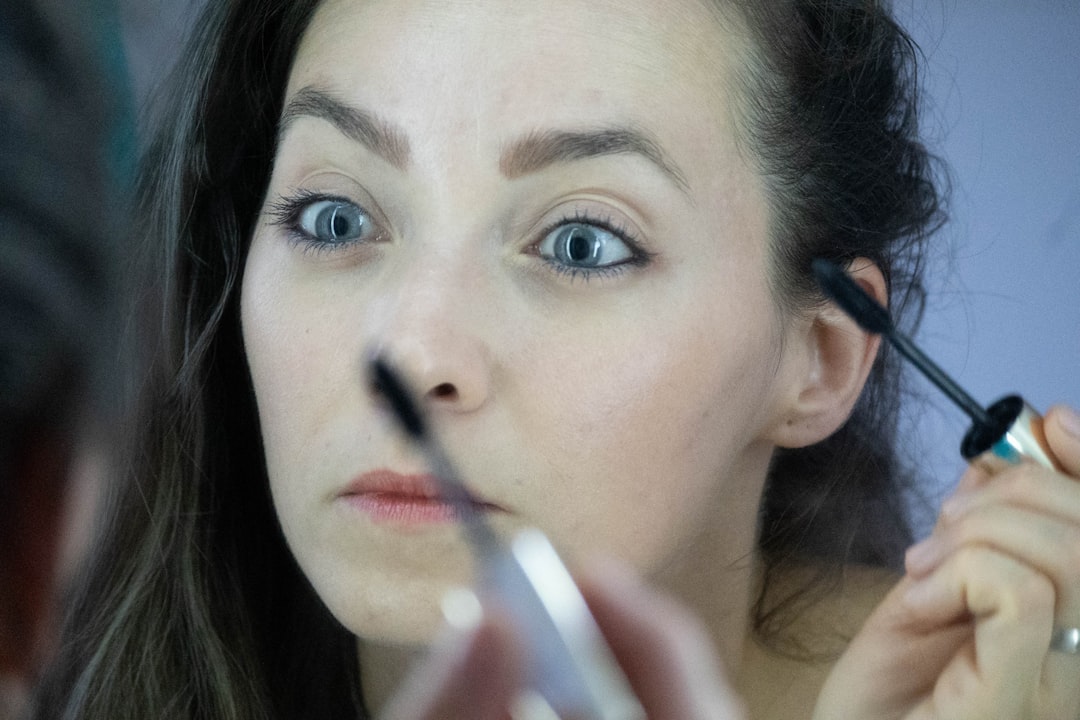
The Evolving Canvas: Skills and Certifications for TV Makeup Artistry
A successful career in television makeup artistry begins with a solid educational foundation and continuous skill development. While natural talent is a prerequisite, formal training provides the structured knowledge necessary for professional application. Aspiring artists should consider accredited programs, such as those offered by the National Institute of Film and Television (NIFT) Mumbai or specialized academies endorsed by the MESC. These programs typically cover a broad curriculum, including foundational techniques, color theory, sanitation protocols, and advanced applications like prosthetics and special effects makeup. A comprehensive 12-18 month certification course, for instance, can equip an individual with the practical skills and theoretical understanding required to enter the industry.
Beyond basic application, the demands of television necessitate specialized skills. High-definition (HD) makeup, which minimizes visible imperfections under intense lighting and close-up camera work, is paramount. Artists must master techniques for contouring, highlighting, and achieving a natural yet flawless finish that withstands the scrutiny of HD lenses. Furthermore, continuity makeup, ensuring a consistent look for characters across multiple scenes filmed out of sequence, is a critical skill often overlooked by newcomers. “Understanding the script and character arc is as important as knowing your brushes,” explains Anjali Sharma, Head of Makeup Department at Star Studios India, who has overseen makeup for over 50 major productions since 2010. “A character’s look must evolve or remain consistent based on the narrative, and that requires meticulous planning and documentation.”
 AI
AIServiceNow and NTT DATA Expand Partnership for AI Transformation
ServiceNow and NTT DATA announced an expanded partnership aimed at accelerating AI-led transformation for enterprises worldwide, impacting global business operations.
Read More →Another crucial area is special effects (SFX) makeup, which is increasingly prevalent in fantasy, historical dramas, and even reality television for dramatic transformations. Proficiency in creating wounds, aging effects, and fantastical creatures using latex, silicone, and other materials can significantly broaden an artist’s career prospects. Digital literacy is also becoming vital; artists who can use software to conceptualize looks or manage digital continuity logs gain a distinct advantage. Investing in workshops focused on these advanced techniques and staying updated with new product innovations are essential steps for career progression.
Beyond the Brush: Building a Professional Portfolio and Network A compelling professional portfolio is the cornerstone of any makeup artist’s career.
Beyond the Brush: Building a Professional Portfolio and Network
A compelling professional portfolio is the cornerstone of any makeup artist’s career. It serves as a visual resume, showcasing an artist’s range, skill, and creative vision. For those targeting television, the portfolio should feature diverse looks, including natural beauty, character makeup, period styles, and SFX. Each entry should be accompanied by high-quality photographs, detailing the products used and the creative process. Collaborating with student filmmakers, photographers, and fashion designers can provide invaluable opportunities to build this portfolio, offering practical experience and tangible results without the initial pressure of high-stakes commercial projects.
Networking is equally critical in an industry driven by connections and referrals. Attending industry events, workshops, and film festivals provides platforms to meet directors, producers, cinematographers, and fellow artists. Internships or assistant roles on TV sets, even unpaid ones initially, offer unparalleled exposure to the fast-paced production environment and allow aspiring artists to learn from experienced professionals. These opportunities, often secured through industry contacts, can lead to paid positions and long-term collaborations. Building a strong online presence through platforms like Instagram or LinkedIn, showcasing work and engaging with the creative community, also plays a significant role in expanding one’s professional reach.
Securing initial roles often involves starting as a junior artist or assistant. The average starting salary for a certified junior makeup artist in India’s television industry is approximately ₹3.5 lakhs per annum, with significant potential for growth based on experience, specialization, and reputation. Within 3-5 years, a skilled artist can expect to command higher fees, especially if they specialize in in-demand areas like prosthetics or celebrity styling. The journey from assistant to lead artist requires not only technical prowess but also reliability, a strong work ethic, and the ability to collaborate effectively under pressure.
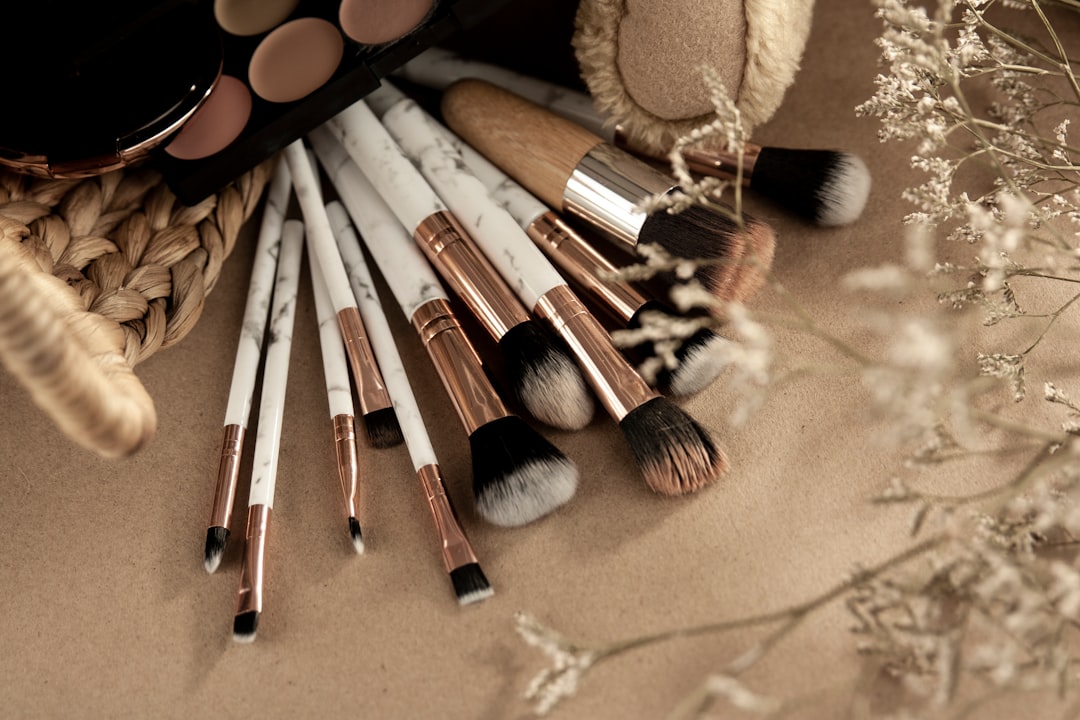
Future-Proofing Your Career: Trends and Specializations
The television makeup industry is constantly evolving, driven by technological advancements and changing audience preferences. For the next 6-24 months, several key trends will shape career opportunities. One significant area is the increasing demand for artists proficient in sustainable and ethical beauty practices. As environmental consciousness grows, productions are seeking makeup artists who can work with cruelty-free, vegan, and eco-friendly products. Understanding ingredient lists and sourcing sustainable brands will become a competitive advantage.
 Economic Development
Tesla’s Cybercab Initiative Sparks Job Growth in Austin Ahead of 2026 Launch
Tesla's Cybercab initiative is creating significant job opportunities in Austin's autonomous vehicle market as production approaches in 2026.
Read More →Another emerging trend is the integration of digital tools in pre-production. Artists who can utilize software for concept art, digital mood boards, or even basic 3D modeling for prosthetic design will find themselves in higher demand. Virtual reality (VR) and augmented reality (AR) are also beginning to influence how makeup looks are conceptualized and tested, offering new avenues for innovation. Furthermore, the boom in regional language content and over-the-top (OTT) platforms means a wider array of projects and a need for artists who can adapt to diverse cultural aesthetics and production scales.
Specialization offers a clear path to career longevity and higher earning potential. Artists might choose to focus on period makeup for historical dramas, character makeup for fantasy series, or even become experts in specific skin tones and types. For instance, a growing niche is in corrective makeup for news anchors or public figures, requiring subtle yet impactful techniques. Staying abreast of these trends, continuously updating skills through workshops, and actively seeking out projects that align with emerging specializations are crucial steps for any makeup artist aiming for a thriving career in television beyond 2025.
Future-Proofing Your Career: Trends and Specializations The television makeup industry is constantly evolving, driven by technological advancements and changing audience preferences.

The journey of a television makeup artist, as highlighted by 15 years of industry experience, is one of continuous learning, adaptation, and artistic dedication. For young professionals entering this field, the path to success involves rigorous training, building a diverse portfolio, strategic networking, and a keen eye on future trends. By embracing these principles, aspiring artists can transform their passion into a rewarding and sustainable career on the ever-expanding canvas of television.
Sources:
 Business Innovation
India’s Retail Landscape: A Boon for Global Brands
India's retail market is booming, attracting global consumer giants and altering traditional shopping landscapes.
Read More →Sources: Mamamia (2024-05-15), Media & Entertainment Skills Council (MESC) (2023-09-30), Star Studios India (2024-01-20)