No products in the cart.

Meta Unveils Standalone Muse AI Gadget Amid Hardware Race
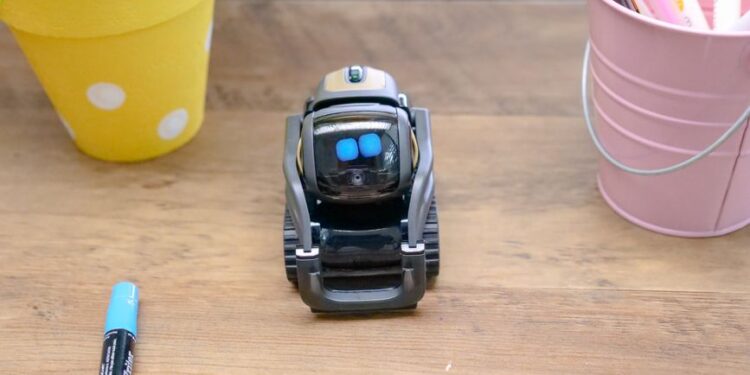
Meta's Muse Charm is set to revolutionize the AI hardware landscape by providing a standalone device that enhances user interaction without the need for a smartphone. This launch reflects broader trends in AI gadget development and the evolving skill sets required in the tech industry.

Meta has announced the launch of a standalone AI gadget called Muse Charm during the Meta Connect 2026 event. This innovative device, which operates independently of a smartphone, is designed to enhance user interaction with the Muse AI agent. Scheduled for release in December 2026, the Muse Charm represents a significant advancement in the AI hardware sector.
The Muse Charm features a large touchscreen, a fingerprint sensor, and multiple microphones, allowing users to engage with the AI seamlessly. CEO Mark Zuckerberg emphasized that the device aims to create an intuitive experience without the need for a smartphone. This innovation could reshape how consumers interact with AI technology, making it more accessible and user-friendly.
Transforming Hardware Engineering Practices
The introduction of the Muse Charm highlights the evolving landscape of hardware engineering in AI devices. As companies like Meta push for standalone gadgets, hardware engineers must adapt their practices to meet new demands. This shift requires a focus on optimizing hardware for AI applications, balancing power consumption with processing capabilities.
According to industry analysis, hardware engineers will need to enhance their skills in integrating AI algorithms directly into devices. This may involve working with specialized chips designed for AI processing, such as tensor processing units (TPUs) or field-programmable gate arrays (FPGAs). The focus will shift towards creating hardware that can efficiently handle AI tasks without relying heavily on cloud connectivity.
Moreover, the increased complexity of AI hardware could lead to a higher demand for engineers who can design and implement robust systems that ensure reliable performance. As Meta’s Muse Charm aims to deliver a seamless user experience, hardware engineers will face the challenge of ensuring that the device operates flawlessly in various conditions.
Additionally, the rise of standalone AI gadgets like the Muse Charm suggests a potential shift in the job market for hardware engineers. Companies will likely seek professionals with expertise in AI integration, system-on-chip (SoC) design, and energy-efficient computing. This evolving skill set will be crucial for engineers looking to stay relevant in the competitive AI hardware landscape.
This evolving skill set will be crucial for engineers looking to stay relevant in the competitive AI hardware landscape.
Product Management in the Age of AI
The launch of the Muse Charm also signals a change in product management strategies within the consumer technology sector. Product managers will need to rethink their approaches when developing AI-driven gadgets. The focus will shift towards creating devices that prioritize user experience and accessibility.
Research indicates that product managers must consider the unique challenges posed by standalone AI devices. Unlike traditional consumer electronics, these gadgets require a deeper understanding of AI capabilities and user interaction. This means that product managers will need to collaborate closely with engineers to ensure that the hardware and software align with user expectations.
Furthermore, product managers will need to develop marketing strategies that effectively communicate the benefits of AI integration to consumers. As the Muse Charm aims to simplify user interactions with AI, product managers must highlight how the device enhances everyday tasks and improves productivity.
As competition in the AI hardware market intensifies, product managers will need to stay attuned to consumer trends and preferences. This may involve conducting market research to identify user needs and preferences, ensuring that the Muse Charm and similar devices resonate with target audiences.
Emerging Job Opportunities in AI Development
As Meta’s Muse Charm enters the market, it is poised to create new job opportunities in the field of AI gadget development. This shift towards standalone devices will likely lead to an increase in demand for professionals skilled in hardware engineering, product management, and AI integration.
This shift towards standalone devices will likely lead to an increase in demand for professionals skilled in hardware engineering, product management, and AI integration.
Industry analysis indicates that roles specifically focused on AI hardware design will become more prominent. Companies will seek engineers who can develop efficient and powerful AI systems that operate independently of traditional computing infrastructure. This could result in a surge of job openings for engineers with expertise in AI chips and embedded systems.
Moreover, as product managers adapt their strategies to accommodate standalone AI devices, new positions may emerge that focus on user experience design and AI product strategy. These roles will require a blend of technical knowledge and an understanding of consumer behavior, making them attractive to professionals looking to pivot their careers towards the AI sector.

The growth of the AI hardware market may prompt educational institutions to expand their curricula to include specialized programs in AI hardware and product management. This could further enhance the talent pool available to companies like Meta as they seek to fill critical roles in AI gadget development.
Future Trends in AI Gadgets
The Muse Charm’s introduction is not just a product launch; it signifies a broader trend towards specialized AI hardware. As the market for these devices expands, professionals in the field must prepare for an evolving landscape filled with new challenges and opportunities.
Looking ahead, the success of the Muse Charm could set a precedent for future AI gadgets. As consumers become more accustomed to interacting with standalone AI devices, the demand for innovative solutions in this space is likely to grow. The Muse Charm may pave the way for a new generation of AI products that enhance daily life and redefine user interaction with technology.
Understanding AI capabilities will be essential for successful product development.
Frequently Asked Questions
What skills are needed for hardware engineers working on AI devices?
Hardware engineers focusing on AI devices should develop skills in AI algorithm integration, energy-efficient computing, and system-on-chip design. Familiarity with specialized AI processing units like TPUs or FPGAs will also be crucial.
How will the Muse AI gadget affect product management in tech?
The Muse AI gadget will require product managers to rethink their strategies, focusing on user experience and collaboration with engineers. Understanding AI capabilities will be essential for successful product development.
What should product managers consider when launching AI consumer gadgets?
Product managers need to consider user needs, market trends, and effective marketing strategies when launching AI consumer gadgets. Collaboration with engineering teams is vital to ensure alignment between hardware and software for optimal user experience.
Written by Career Ahead AI. AI can make mistakes, so verify key facts. Report errors to support@careeraheadonline.com.