No products in the cart.

Meta’s Muse Image Model Enhances Instagram Marketing Strategies
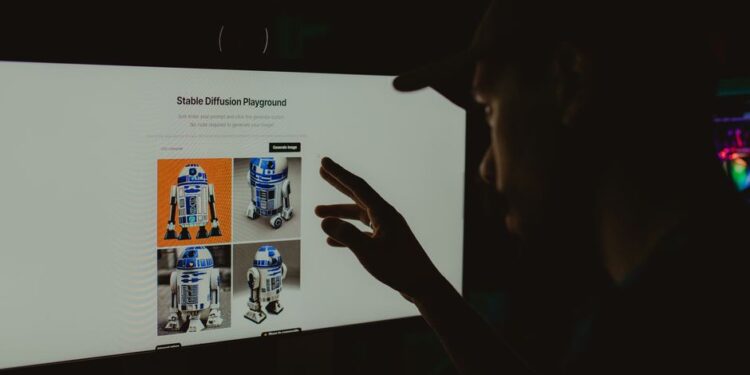
Meta's Muse Image model revolutionizes Instagram marketing by allowing users to tag others in AI-generated images, fostering collaboration and enhancing user engagement. This shift towards personalized content creation offers brands new opportunities for community-driven marketing and influencer collaborations.

Meta has launched its Muse Image model, a groundbreaking AI image generation tool that allows Instagram users to integrate other users into their AI-generated photos. Announced on July 7, 2026, this feature enables users to tag other accounts in their prompts, enhancing the interactivity and personalization of content on the platform.
This model is part of Meta’s broader strategy to innovate within its suite of applications, which includes Instagram, WhatsApp, and soon Facebook and Messenger. The Muse Image model, developed by the Superintelligence Labs division, is designed to work alongside the Muse Spark language model, providing a more nuanced approach to content creation by enabling the AI to reason through prompts and access external web content.
Transforming User Engagement
The introduction of the Muse Image model is set to redefine how social media marketers engage with their audiences. By allowing users to tag others in prompts, the model creates opportunities for collaborative content creation, where users can see themselves represented in the images generated. This not only enhances user experience but also increases the likelihood of shares and interactions, which are crucial for brand visibility.
Research indicates that this capability can significantly boost engagement rates, as users are more likely to share content that features themselves or their friends. The ability to create personalized images can lead to a more invested audience, vital for brands aiming to deepen their connection with consumers.
Moreover, this feature opens up new avenues for user-generated content (UGC). Brands can encourage their followers to create and share AI-generated images that include their products or services, fostering community and providing authentic content that resonates with potential customers.
Implications for Brand Collaborations With the capabilities of the Muse Image model, brands have a unique opportunity to collaborate with influencers and users in innovative ways.
Implications for Brand Collaborations
You may also like
 AI & Technology
Moonshot AI Eyes 2027 IPO After Reaching $50B Valuation
The anticipated IPO has generated considerable excitement among investors and industry observers alike. As the company prepares to go public, it could pave the way…
Read More →With the capabilities of the Muse Image model, brands have a unique opportunity to collaborate with influencers and users in innovative ways. The tagging feature allows brands to incorporate influencer likenesses into their campaigns, creating a more relatable and engaging narrative for their products. This could lead to a shift in how brands approach influencer partnerships, moving towards more interactive and immersive collaborations.
For instance, a fashion brand could create a campaign where users can generate images of themselves wearing the latest collection alongside popular influencers. This not only boosts brand visibility but also enhances the personal connection between the consumer and the brand. As users see their favorite influencers in AI-generated content, they may be more inclined to purchase the featured products.
Furthermore, brands can leverage this technology to create targeted campaigns that resonate with specific demographics. By analyzing engagement data from AI-generated content, brands can tailor their marketing strategies to better meet the needs and preferences of their audience. This data-driven approach could lead to more effective marketing efforts and higher conversion rates.
As marketers explore these new possibilities, the importance of ethical considerations around user consent and data privacy will also come into play. Brands will need to ensure that they have permission to use individuals’ likenesses in AI-generated content, fostering trust and transparency within their marketing practices.
As AI-generated content becomes more prevalent, creators will need to adapt their workflows to incorporate these new tools effectively.
Adapting to the Future of Content Creation
The Muse Image model represents a significant shift in how digital content creators will approach their work. As AI-generated content becomes more prevalent, creators will need to adapt their workflows to incorporate these new tools effectively. This may involve rethinking content strategies to include AI-generated visuals that enhance storytelling and audience engagement.
Creators who embrace these tools early on will have a competitive advantage in the evolving digital landscape. By integrating AI-generated content into their portfolios, creators can offer more diverse and engaging experiences to their audiences, setting themselves apart in a crowded market.
You may also like
 AI & Technology
90-Day Plans Reshape Promotion Pathways in 2026
Executives now gauge promotion potential within the first quarter of a new role, making the initial 90 days a decisive window for career capital accumulation.
Read More →However, this shift also raises questions about authenticity and originality in content creation. As AI tools become more sophisticated, the line between human-created and AI-generated content may blur. Creators will need to navigate this landscape carefully, ensuring that their work remains authentic while leveraging the benefits of AI technology.
As Meta continues to develop its AI capabilities, we may see further innovations that enhance user interaction and content creation across all its platforms. Marketers and creators alike will need to stay informed about these changes and be prepared to adapt their strategies accordingly.
Frequently Asked Questions
How can social media marketers leverage AI-generated images?
Social media marketers can use AI-generated images to create personalized content that resonates with their audience. By incorporating user likenesses into their visuals, they can enhance engagement and foster a sense of community.
This shift may require creators to adapt their workflows to include AI tools effectively.
What are the implications of Muse Image for digital content creators?
Muse Image allows digital content creators to integrate AI-generated visuals into their work, providing new opportunities for storytelling and audience engagement. This shift may require creators to adapt their workflows to include AI tools effectively.

How should digital content creators adapt to AI tools in their workflow?
Digital content creators should explore how AI-generated content can enhance their existing strategies. Embracing these tools early can provide a competitive edge and allow creators to offer diverse experiences to their audiences.
You may also like
 AI & Technology
Understanding South Korea’s AI Cybersecurity Investigation
South Korea's ongoing investigation into AI-driven cyberattacks on banks underscores the urgent need for improved cybersecurity protocols. As these threats evolve, banking professionals must adapt…
Read More →