No products in the cart.

Meta’s Smart Glasses: The Future of Facial Recognition Technology

Meta is set to introduce facial recognition technology in its smart glasses, raising questions about privacy and technological ethics.

Menlo Park, California — Meta is making headlines with its recent announcement to integrate facial recognition technology into its smart glasses. This development comes at a time when privacy concerns are paramount and public scrutiny over tech giants is intensifying. The decision to add this feature reflects Meta’s ambition to enhance user experience while navigating the complex landscape of ethical technology use.
Facial recognition technology has seen significant advancements in recent years. Meta’s integration of this technology into its smart glasses aligns with broader trends in the tech industry, where companies are increasingly leveraging AI to improve user interaction. According to a report by the New York Times, Meta’s internal memo indicates that the political climate in the United States may distract critics from the rollout of this feature, suggesting a calculated approach to timing and public relations.
As Meta prepares to unveil this technology, it raises critical questions about user privacy and data security. The company has faced considerable backlash in the past regarding its handling of user data. This new feature could exacerbate existing concerns, especially as users become more aware of the implications of facial recognition in everyday life.
Why Facial Recognition Technology Matters Now
The integration of facial recognition technology in smart glasses is not just a technical upgrade; it’s a pivotal moment in how we interact with technology. With the rise of AI and machine learning, facial recognition has become a powerful tool for personalization and security. However, it also poses significant risks, particularly regarding privacy. As Meta steps into this arena, it must balance innovation with ethical considerations.
With the rise of AI and machine learning, facial recognition has become a powerful tool for personalization and security.
Facial recognition can enhance user experience by allowing for seamless interactions. For instance, users could unlock their devices or access personalized content with a simple glance. However, this convenience comes with the burden of increased surveillance and potential misuse of data. According to a recent article from news.google.com, companies like Meta must tread carefully as they navigate public sentiment towards privacy and data protection.
You may also like
 AI & Technology
AI-Driven Biogenesis Unleashes Unforeseen Risks
The standard view is that integrating artificial intelligence into biogenesis will accelerate drug discovery, personalize therapies,...
Read More →Moreover, the timing of this announcement is crucial. With ongoing debates about data privacy laws and regulations, Meta’s move could either set a precedent for the industry or trigger a backlash that affects its reputation. As highlighted in another article from news.google.com, the scrutiny on tech companies has never been higher, and any misstep could lead to significant consequences.

Implications for Your Career in Tech
As a professional in the tech industry, understanding the implications of Meta’s decision is vital. Here’s how this development could impact your career:
- Focus on Privacy-Centric Design: As facial recognition technology becomes more prevalent, there will be a growing demand for professionals who can design systems that prioritize user privacy. Familiarize yourself with privacy laws and ethical design principles.
- Upskill in AI and Machine Learning: With AI at the forefront of this technology, enhancing your skills in machine learning can position you as a valuable asset in the job market. Consider online courses or certifications that focus on AI applications in real-world scenarios.
- Engage in Public Discourse: As tech professionals, it’s essential to engage in discussions about the ethical implications of technology. Join forums or groups that focus on tech ethics to stay informed and contribute to the conversation.
However, experts warn that the widespread adoption of facial recognition technology may not be sustainable. Critics argue that the potential for misuse is significant, and without robust regulations, users could face increased surveillance. A recent study suggests that professionals in tech should balance innovation with ethical considerations to prevent backlash against such technologies.
The Future of Smart Glasses and AI Integration
The future of smart glasses is poised for rapid evolution, especially with Meta leading the charge. As companies invest in AI and machine learning, we can expect to see more innovative applications of facial recognition technology. This could lead to smarter, more intuitive devices that enhance our daily lives.
Implications for Your Career in Tech As a professional in the tech industry, understanding the implications of Meta’s decision is vital.
Moreover, as public awareness of privacy issues grows, companies will need to adapt their strategies. Transparency in how data is collected and used will become increasingly important. Businesses that prioritize ethical practices are likely to gain consumer trust and loyalty.
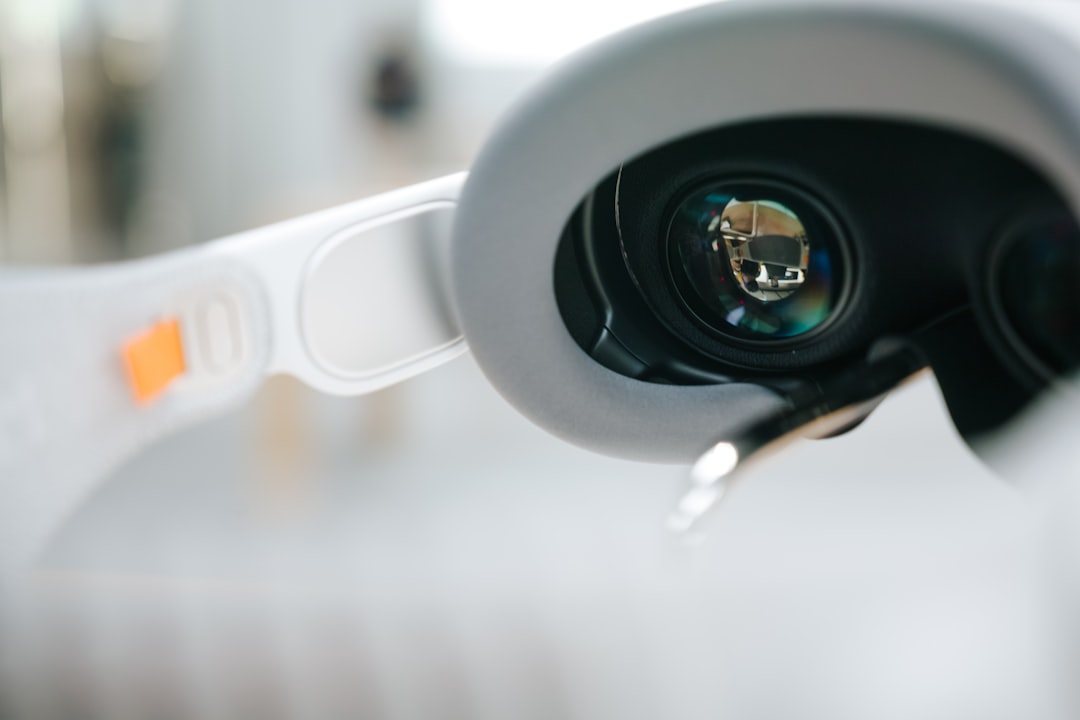

As Meta continues to develop its smart glasses, the question remains: how will the balance between innovation and privacy be maintained? The tech community must remain vigilant and proactive in ensuring that advancements do not come at the cost of user rights and freedoms.
You may also like
 News
NewsPorter Airlines Flight PD444 Canceled After Child Refused Seatbelt During Takeoff
Porter Airlines canceled flight PD444 after a child refused to fasten a seatbelt, prompting re‑booking of all passengers.
Read More →