No products in the cart.

Meta’s Strategy to Reduce Nvidia Reliance with AI Chips
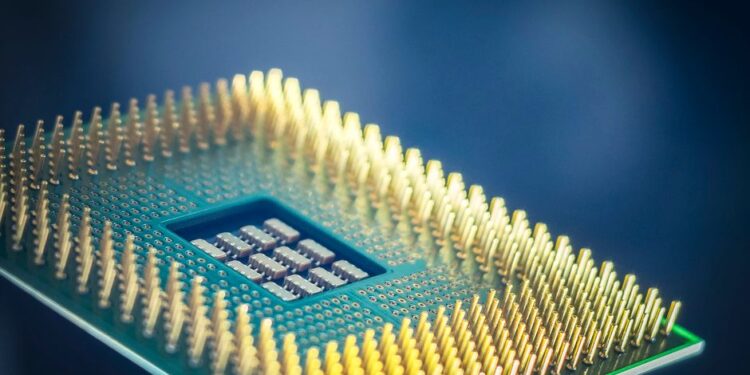
Meta is set to launch its in-house developed AI chips, aiming to cut costs and energy consumption while reducing dependence on Nvidia, a leader in the AI accelerator market.

Meta Platforms is advancing its efforts to deploy a new generation of in-house developed artificial intelligence chips in its data centers. Set to launch in the first half of next year, this initiative aims to lower both costs and energy consumption associated with running AI models. The company, known for its platforms like Facebook and Instagram, first announced its plans to build these custom processors in 2023 and is currently testing the third generation of its chip family, named MTIA 450 or Arke.
Meta’s move to develop its own AI chips signals a significant shift in the tech landscape, particularly as it seeks to reduce its reliance on Nvidia, which currently dominates the AI accelerator market. By collaborating with Broadcom on chip designs and leveraging Taiwan Semiconductor Manufacturing Company (TSMC) for manufacturing, Meta is positioning itself to enhance its AI infrastructure significantly. This strategic partnership is expected to yield chips that not only meet Meta’s specific needs but also push the boundaries of what is possible in AI processing.
Cost Savings and Performance Enhancements for AI Models
Meta’s custom chip program is part of a broader strategy to build the necessary infrastructure to support its rapidly expanding AI ambitions. The MTIA 450 chips are designed to improve performance per watt and cost, which is crucial as demand for computing power continues to rise. Yee Jiun Song, Meta’s vice president of engineering, emphasized that each generation of chips takes on more technological risks while aiming for better performance. This approach not only aims to enhance computational efficiency but also to create a more sustainable model for AI operations.
As Meta rolls out these in-house chips, data scientists can expect improvements in the efficiency of AI model training and inference. The close collaboration between Meta’s Superintelligence Labs—its AI division—and chip engineers allows for the creation of processors that can deliver optimized performance tailored to specific AI workloads. This could lead to faster training times and more efficient inference, which are critical for deploying AI models in real-world applications. Furthermore, the integration of advanced machine learning algorithms with these custom chips is anticipated to unlock new capabilities, enabling Meta to tackle more complex AI tasks that were previously constrained by hardware limitations.
Career Ahead’s analysis identifies that these developments may lead to significant cost savings for companies relying on AI technologies.
You may also like
 AI & Technology
AI Searches Revolutionize Client Acquisition Strategies
Trustpilot's recent announcement about its AI-powered search capabilities reveals significant implications for tech companies in client acquisition. Marketing executives and business development managers must adapt…
Read More →Career Ahead’s analysis identifies that these developments may lead to significant cost savings for companies relying on AI technologies. By reducing dependence on external chip suppliers like Nvidia, Meta could pass on some of these savings to its customers, thereby lowering the overall costs associated with AI deployment. This could democratize access to advanced AI capabilities, particularly for smaller companies and startups that may have struggled to afford high-performance GPUs. According to a report by Mint, this shift could also catalyze a broader industry trend where other tech giants may follow Meta’s lead, investing in proprietary silicon to enhance their AI capabilities and reduce costs associated with third-party hardware.
Moreover, as Meta continues to innovate with its custom silicon, the tech industry may see a ripple effect where other companies also invest in proprietary hardware to enhance their AI capabilities. This trend may further shift the competitive landscape, benefiting hardware engineers who specialize in designing chips for AI applications. The potential for a more diversified chip market could lead to increased innovation and competition, ultimately benefiting consumers with better products and services.
Implications for Data Scientists and Hardware Engineers
For data scientists, the introduction of Meta’s in-house AI chips presents both opportunities and challenges. As these chips are optimized for specific AI tasks, data scientists will need to adapt their workflows to leverage the unique capabilities of Meta’s custom hardware. This may involve rethinking model architectures or utilizing new tools that are better suited for the MTIA 450 chips. The transition to proprietary hardware could also necessitate a shift in the skill sets required for data professionals, as familiarity with Meta’s specific chip architecture will become increasingly valuable.
As a result, continuous learning and adaptation will become essential for data professionals looking to stay competitive in this shifting environment.
Furthermore, as companies increasingly adopt proprietary chips, data scientists will need to stay informed about the evolving landscape of AI hardware. This could involve learning about new programming frameworks or optimization techniques tailored for specific chip architectures. As a result, continuous learning and adaptation will become essential for data professionals looking to stay competitive in this shifting environment. The need for collaboration between data scientists and hardware engineers will also be paramount, as insights from both domains can lead to more effective utilization of the new hardware capabilities.
On the hardware engineering side, the shift towards in-house chip development by companies like Meta highlights the growing demand for engineers with expertise in custom silicon design. As firms seek to create tailored solutions for their AI needs, hardware engineers will play a crucial role in developing chips that maximize performance and efficiency. This could lead to a surge in job opportunities for engineers who can navigate the complexities of AI hardware design. The collaboration between software and hardware teams will become increasingly important, as engineers must work closely with data scientists to ensure that the chips are designed with the specific requirements of AI workloads in mind. This alignment will be critical for achieving optimal performance and efficiency, ultimately impacting the success of AI initiatives across industries.
You may also like
 AI & Technology
AI Implementers Earn Up to ₹1.55 Crore in India | Career Outlook
The demand for Forward Deployed Engineers (FDEs) in AI is surging globally, with salaries in India reaching up to ₹1.55 crore. This trend reflects a…
Read More →
Moreover, as the industry shifts towards proprietary solutions, hardware engineers will need to be proactive in understanding the implications of these changes on the broader tech ecosystem. The ability to design chips that not only meet current demands but also anticipate future needs will be a key differentiator in the competitive landscape. This evolution in hardware design will likely require engineers to engage in ongoing education and collaboration with interdisciplinary teams to stay ahead of the curve.
The implications of Meta’s custom chip initiative extend beyond the company itself. As more tech giants follow suit in developing proprietary AI hardware, the competitive landscape of the AI market may shift dramatically. Companies that invest in custom silicon will likely gain a significant edge over those that continue to rely on third-party solutions. Additionally, this trend could lead to a more fragmented market where various companies develop their own specialized chips, making it essential for software developers and data scientists to adapt to multiple hardware platforms. This could create challenges in terms of compatibility and optimization, but also opportunities for innovation as new tools and frameworks emerge to support diverse hardware ecosystems.
Looking ahead, the success of Meta’s in-house chips will depend on their performance and the ability to meet the growing demands of AI applications. If successful, Meta’s MTIA 450 and future MTIA 500 chips could set a new standard for AI hardware, influencing how other companies approach their AI infrastructure. This could result in a more competitive and innovative environment for AI development, benefiting both businesses and consumers. As the AI landscape continues to evolve, the focus on custom hardware will likely intensify. Companies will need to keep a close eye on advancements in chip technology and be prepared to adapt their strategies accordingly. The next few years will be crucial as Meta and other tech giants navigate this new terrain in AI hardware development.
Career Ahead’s analysis shows that in-house AI chips allow hardware engineers to design solutions tailored to specific workloads, improving performance and efficiency.
Frequently Asked Questions
What are the benefits of using in-house AI chips for hardware engineers?
Career Ahead’s analysis shows that in-house AI chips allow hardware engineers to design solutions tailored to specific workloads, improving performance and efficiency. This customization can lead to significant cost savings and better alignment with organizational goals.
How will Meta’s chip development impact data scientists’ workflows?
Meta’s chip development will require data scientists to adapt their workflows to leverage the unique capabilities of proprietary hardware. This may involve learning new optimization techniques and adjusting model architectures to achieve optimal performance.

What should hardware engineers consider when designing chips for AI applications?
When designing chips for AI applications, hardware engineers should focus on optimizing performance per watt and cost, as well as ensuring compatibility with existing AI frameworks. Collaboration with software teams is also essential to align hardware capabilities with application requirements.
You may also like
 AI & Technology
Strategic career pivots reshape economic mobility in 2026
The BLS projects double‑digit growth for data‑focused occupations, while LinkedIn’s 2026 pivot.
Read More →